Author Archives: mytourguide.ph

About mytourguide.ph

Author

Adobo in 1898 vs. 1978 vs. 2026: Eating Through Philippine History

Introduction

Adobo, often considered the unofficial national dish of the Philippines, is not merely a culinary staple but a reflection of the country’s rich cultural tapestry, embodying the influences and traditions that have shaped Filipino cuisine over the centuries. This dish, characterized by its savory flavor profile, typically incorporates meat marinated in vinegar, soy sauce, garlic, and spices, demonstrating the perfect blend of indigenous ingredients and historical influences from Chinese, Spanish, and other culinary traditions.

The significance of adobo goes beyond its ingredients; it serves as a testament to the adaptability and resourcefulness of Filipino cooking. Each region in the Philippines boasts its own unique take on adobo, with variations abundant across islands and communities. Particularly noteworthy is the Kapampangan version, renowned for its robust flavors and the use of local techniques that enhance its authenticity. The interplay of salty, sour, and sweet notes, depending on the region, emphasizes not just taste but also the cultural lineage behind each recipe.

As we delve deeper into the historical context of adobo, we will explore its evolution through pivotal years—1898, a period marked by colonization and the formation of national identity; 1978, when culinary styles began to reflect more contemporary tastes; and 2026, a future perspective that anticipates new trends and innovations in Filipino cuisine. Each of these eras illustrates how adobo has adapted, survived, and thrived, echoing the broader narrative of Philippine history. Such explorations enrich our understanding of not only adobo as a dish but the cultural significance it holds within Filipino society.

Adobo in 1898

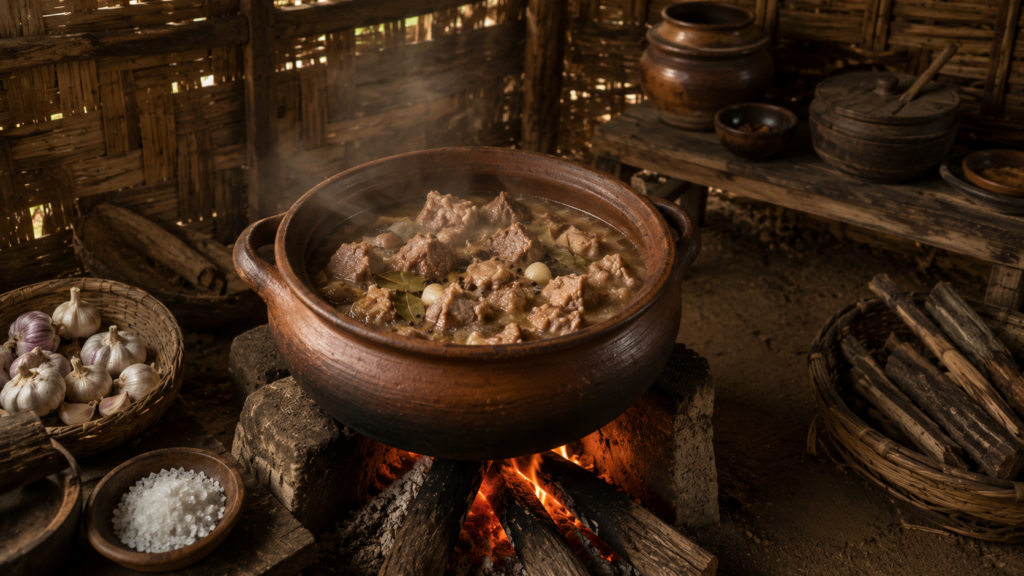
The history of adobo in the Philippines reveals the dish’s evolution, particularly in the year 1898. During this period, traditional adobo was characterized by its simplicity, reflecting the ingredients readily available in Filipino households. Notably, soy sauce was not a part of the recipe; instead, the adobo relied heavily on vinegar as its primary source of flavor. The hallmark of this cooking style was the effective use of vinegar, which not only imparted a distinct sour taste but also acted as a preservative, essential in a tropical climate.

In 1898, common meats for adobo included pork and chicken, both of which were staples in Filipino cuisine. The choice of protein was often dictated by availability and local dietary customs. These meats were then paired with the essential ingredients of salt and garlic. The garlic provided aromatic depth, enhancing the overall flavor profile of the dish without overwhelming it. This reliance on local flavors and natural preservatives illustrates the rustic roots of adobo.

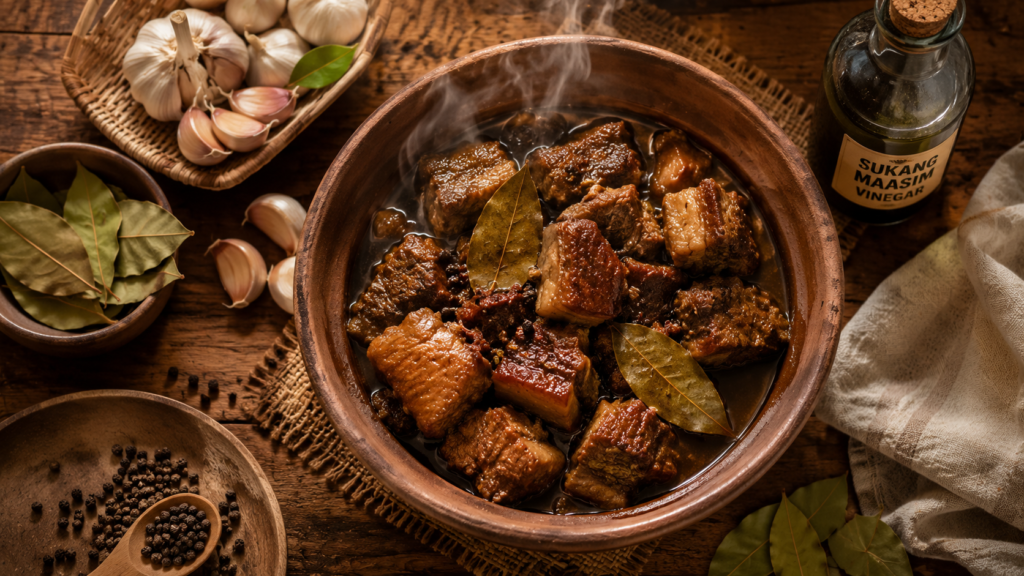
The cooking method also contributed to the unique character of adobo during this period. Traditionally, it was prepared in a clay pot known as a palayok, which offered distinct advantages such as even heat distribution and enhanced flavor retention. The meat would be combined with vinegar, garlic, and salt, then simmered slowly. This meticulous cooking process allowed the vinegar to penetrate the meat fully, resulting in a thin, sour broth. Unlike the thicker and often richer versions of adobo that may be familiar today, the 1898 variant was lighter yet profoundly flavorful, showcasing the essence of Filipino culinary heritage.

Adobo in 1978

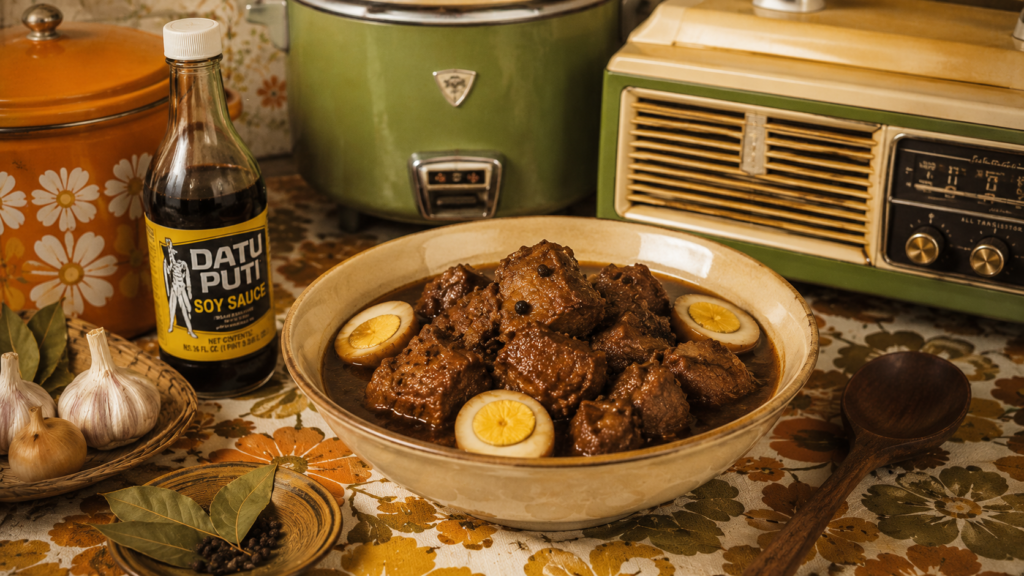
In the year 1978, adobo underwent a significant transformation that reflected the changing culinary landscape of the Philippines. By this time, soy sauce had become a staple in many Filipino households, and its introduction into the adobo recipe notably altered both its flavor profile and visual appeal. The marriage of soy sauce with traditional ingredients such as vinegar, garlic, and bay leaves resulted in a thicker, brown sauce that brought forth a more savory and umami-rich experience.

The post-war era witnessed an influx of ingredients that were once scarce, leading to a diversification in how adobo was prepared and served. No longer confined to the rustic kitchens of rural homes, adobo gained prominence in urban settings, symbolizing a bridge between tradition and modern culinary practices. With the availability of soy sauce and other condiments, families began to experiment, often personalizing the dish with regional variations and additional components such as potatoes or hard-boiled eggs.

Furthermore, this period marked a shift in consumption patterns, as adobo emerged as a convenient home staple that could easily serve multiple purposes. Whether enjoyed with steamed rice or incorporated into other dishes, adobo’s versatility ensured its place at dining tables across the Philippines. The evolution of adobo in 1978 was not just about an enhancement in taste but also reflected a broader narrative of Filipino resilience and adaptability in the face of changing times.

Adobo in 2026

As we explore adobo in 2026, the beloved Filipino dish continues to evolve amidst contemporary culinary trends. A significant shift toward health-conscious eating has paved the way for innovative, plant-based alternatives. Tofu and mushrooms have emerged as popular substitutes, allowing consumers to enjoy the rich, savory flavors of adobo while adhering to vegetarian and vegan diets. These ingredients not only provide a delicious texture but also offer nutritional benefits, making adobo more accessible to a wider audience.

The integration of modern cooking techniques is also influencing how adobo is prepared and enjoyed. The rise of air frying, for instance, has allowed chefs and home cooks alike to create a healthier version of this traditional dish without sacrificing taste or authenticity. This method reduces the need for excess oil, appealing to those eager to lead a more health-conscious lifestyle. As technology advances, the means of preparing adobo have become more diverse, bringing new possibilities to a dish steeped in history.

Furthermore, the popularization of fusion cuisine introduces exciting variations, highlighting unique ingredients such as coconut milk and coffee. These additions provide a new dimension to adobo, transforming the classic dish into innovative culinary experiences that reflect diverse cultural influences. As chefs experiment with flavors, the lines between traditional and contemporary recipes continue to blur.

The impact of artificial intelligence and food delivery services is also evident in the way adobo is consumed in 2026. AI-driven platforms recommend personalized recipes based on dietary preferences, enhancing the overall cooking experience. Additionally, the convenience of food delivery allows consumers to enjoy authentic adobo dishes from local restaurants at their fingertips, fostering a greater appreciation for this iconic dish.

Comparative Analysis of Adobo Through the Years

The evolution of Adobo reveals much about the cultural and societal dynamics shaping the Philippines throughout different historical periods. To better understand these changes, a detailed comparison is provided below, concentrating on significant attributes of Adobo in 1898, 1978, and the anticipated features in 2026.

Features 1898 1978 2026
Texture Tender, rustic Soft, slightly chewy Tender, innovative textures (fusion elements)
Aroma Earthy, hint of smoke Rich, savory Complex, aromatic due to new spices
Flavor Profile Sour and salty with natural herb flavors Balanced with spices, sweeter undertones Diverse, incorporation of global flavors
Cooking Method Traditionally stewed over wood fire Simmered, often in pressure cookers Various techniques including sous-vide
Ideal Pairings Rice, local vegetables Steam rice, fried garlic Specialty rices, artisanal bread

In 1898, Adobo was characterized by its simplicity, influenced heavily by local ingredients and traditional cooking methods, reflective of a nation in transition amidst colonial challenges. As time progressed to 1978, the Philippines saw a significant surge in culinary experimentation, influenced by both local and global trends, which modified the flavor profile and cooking methods used. The contemporary Adobo of 2026 is expected to incorporate global influences, innovative techniques, and diverse flavor pairings, symbolizing a fusion of tradition and modern gastronomy.

Texture: A Yearly Journey

The texture of adobo, a beloved Filipino dish, has evolved significantly from 1898 to 2026, reflecting changes in culinary trends and preferences. In 1898, adobo was characterized by a thin consistency, largely due to the cooking methods and ingredients available at the time. This thinner texture was achieved by simmering the meat with vinegar, garlic, and soy sauce, allowing the sauce to penetrate the meat while leaving a light, flavorful broth. Diners in this era enjoyed a dish that offered a contrast between the tender meat and the liquid sauce, which provided a refreshing balance to the meal.

By 1978, the texture of adobo underwent a noticeable transformation. During this period, it became common for cooks to thicken the sauce, contributing to a richer and more robust eating experience. This thicker consistency was often achieved by reducing the sauce for an extended period, allowing the flavors to concentrate and the liquid to evaporate. The result was a heartier dish that could cling to vegetables or rice more effectively, appealing to the more substantial dining trends of the time. The thicker texture enhanced the satisfaction of each bite, offering a profound umami experience that resonated with contemporary palates.

Fast forward to 2026, adobo has seen an explosion of creativity, leading to various modern interpretations on its traditional roots. Texture now varies significantly, with options ranging from creamy, coconut-infused adobo to those enhanced with local spices, resulting in different thicknesses. Some versions prioritize a velvety, smooth sauce, while others retain a chunky texture, offering diverse sensory experiences. The modern cook enjoys experimenting with these textures, often influenced by fusion cooking and global culinary trends, which challenge the conventional forms of this classic dish. These variations allow for personalization, vastly enriching the overall enjoyment of eating adobo across generations.

Aroma: The Essence of Adobo

The aroma of adobo is one of the defining characteristics that sets this dish apart, encapsulating the essence of Philippine culinary tradition. The journey of adobo’s fragrance can be traced back to the colonial era in 1898, where simple ingredients like vinegar, garlic, and black pepper created a robust and tangy scent that permeated households. This foundational aroma was a reflection of resourcefulness, often featuring whatever was available and resonating with the local palate.

Fast forward to 1978, a significant shift occurred in the preparation of adobo with the introduction of soy sauce. This addition not only enhanced the flavor profile but also dramatically changed the aroma, adding a savory umami depth that enriched the initial tanginess. The combination of vinegar and soy sauce created a harmonious blend, appealing to a broader audience and evolving the traditional dish into a more robust version. The unique scent became associated with gatherings and celebrations, symbolizing a fusion of history and adaptation.

In contemporary preparations, the traditional aroma of adobo continues to evolve with the incorporation of innovative ingredients like coffee and coconut milk. These additions offer new scent experiences, infusing a familiar dish with notes that are both nostalgic and novel. The scent of brewed coffee infuses a rich aroma, while coconut milk introduces sweetness and creaminess, enriching the overall profile of adobo. This evolution highlights how aroma plays a pivotal role in cultural significance, as it evokes memories and emotions tied to heritage and family connections.

Thus, the aromatic journey of adobo reflects not only culinary trends but also the shifting cultural landscape of the Philippines, demonstrating how food can be a powerful communicator of history and identity.

Flavor Profile: A Taste of History

The flavor profile of adobo has evolved significantly from 1898 to 1978, and now into 2026, reflecting the historical context and culinary influences of each period. In 1898, the primary characteristic of adobo was its distinct sourness, derived from vinegar and a variety of local acidic ingredients. This sourness represented not just a flavor, but also a means of preservation during a time when refrigeration technologies were non-existent. This tartness signifies resilience and resourcefulness, as Filipinos adapted their cooking methods to their environment while also preserving cultural identity amidst colonial influences.

Fast forward to 1978, the flavor profile of adobo transformed into a more savory and complex dish. The inclusion of soy sauce, garlic, and spices created a deeper umami profile that complemented the sourness rather than overshadowed it. The savory depth added a richness that spoke to a post-colonial identity where Filipinos began to embrace and redefine their traditional dishes. The incorporation of localized ingredients and cooking techniques resulted in variations that celebrated regional identity, contributing to a collective sense of belonging within the Filipino community.

As we look ahead to 2026, adobo takes on innovative fusions as chefs experiment with contemporary ingredients and cooking methods. Culinary influences from various cultures increase the adaptability of adobo, leading to exciting new interpretations that still honor its heritage. The blending of flavors, such as introducing coconut milk or even vegan variations, showcases the evolution of Filipino cuisine while highlighting a modern food culture. This dynamic culinary landscape not only reflects personal and community identities but also encourages a dialogue about tradition and innovation.

The trajectory of adobo, from the tartness of 1898 through the savory complexity of 1978 to the creative fusions of 2026, mirrors the evolving Filipino identity. Each flavor profile contributes to an ongoing narrative, firmly intertwining food with culture and community.

Conclusion

The journey of adobo through the years—spanning from 1898 to 2026—encapsulates a rich narrative that reflects the heart and soul of the Filipino people and their culinary evolution. Initially born from the necessity of preserving food, adobo has grown to embody diversity through its regional variations, adapting to the changing landscapes of culinary preferences and cultural influences. Each era highlights not only the shifts in ingredients and preparation styles but also showcases Filipino resilience and creativity in the culinary arts.

Adobo serves not merely as a dish; it is a representation of heritage, tradition, and collective memory. The historical context surrounding its evolution provides insight into the broader societal transformations that the Philippines has undergone. In every bite of adobo, one can taste the infusion of history, culture, and a deep-seated sense of identity. Its ability to morph and adapt is a testament to the Filipino spirit, showcasing how food can unite generations and foster a sense of community.

As we explore the evolving flavors of adobo, we invite you, the reader, to embrace this journey in your own kitchen. Experiment with traditional recipes or put a modern twist on this classic dish, reflecting your personal experiences, tastes, and influences. Through cooking and enjoying adobo, you are not only cherishing a beloved Filipino staple but also participating in a living history that connects past, present, and future. The experience of making and sharing adobo can deepen your appreciation for Filipino culture and foster a greater understanding of the narratives embedded within this iconic dish.

ChatGPT’s Palawan Itinerary vs. My Local Guide: 7 Mistakes AI Makes (and the Real 2026 Routes No Bot Knows)

Introduction to Palawan Travel

Palawan, an archipelagic province in the Philippines, is often heralded as the “last frontier” for its unspoiled nature and stunning landscapes. Recognized globally for its breathtaking biodiversity, it has consistently ranked among the top travel destinations. The emerald waters of the Sulu Sea and the rugged limestone cliffs create an idyllic backdrop for adventurers seeking a tropical paradise.

Tourists flock to Palawan not only for its remarkable beaches and crystal-clear waters but also for its rich culture and vibrant marine life. The province is home to UNESCO World Heritage Sites, such as the Puerto Princesa Subterranean River National Park, and boasts world-class dive spots in places like El Nido and Coron. The unique ecosystem supports various flora and fauna, making it a popular destination for eco-tourism and outdoor adventures.

While many travelers now turn to AI-generated itineraries, relying on technology for planning their trips, the charm of local expertise cannot be overlooked. Local guides provide not only logistical assistance but also deep insights into the region’s history and culture that an algorithm simply cannot replicate. They can lead travelers to hidden gems, secret beaches, and lesser-known attractions that AI may overlook.

This blog post will delve into the discrepancies between itineraries generated by AI tools like ChatGPT and the invaluable guidance offered by local experts. It is imperative to ensure that travel plans reflect a genuine understanding of the destination, which is the essence of a memorable and immersive travel experience in this tropical paradise.

An Overview of ChatGPT’s Generated Itinerary

ChatGPT’s itinerary for a trip to Palawan typically includes a well-structured schedule aimed at showcasing the island’s renowned attractions. One popular suggestion is a multi-day exploration highlighting destinations such as El Nido, Coron, and the Underground River. For instance, Day 1 often features a guided tour of Bacuit Bay in El Nido, where travelers can experience stunning lagoons and secluded beaches. Day 2 may be reserved for leisure activities like snorkeling or diving in Coron, known for its crystal-clear waters and rich marine biodiversity.

Travel durations provided by ChatGPT generally consider standard conditions. A transfer from Puerto Princesa to El Nido, for example, is quoted as approximately six hours by van. This estimation provides a crucial understanding of the time commitment needed for travel within Palawan. Also, itineraries often include an average pricing range for tours and activities, which is beneficial for budget planning. A typical day tour in El Nido usually costs around $30 to $50, covering boat rental, lunch, and guide services.

In addition to attractions, accommodation details are often recommended based on visitors’ preferences and budgets, ranging from budget hostels to more luxurious resorts. ChatGPT may suggest staying in zones with easy access to the beach and local eateries, but it sometimes lacks nuance regarding the best local insights into each area’s true offerings.

Overall, ChatGPT’s generated itinerary serves as a helpful framework for potential travelers to Palawan, providing a baseline understanding of what the island has to offer. However, as we will discuss further, there are several oversights and inaccuracies when compared with advice from local guides who can offer more personalized and accurate insights.

Mistake 1: Outdated Prices

One of the most significant pitfalls of using AI-generated itineraries for travel planning is the reliance on outdated pricing information. As the dynamics of the travel industry constantly evolve, the prices of accommodation, excursions, and dining experiences frequently change, influenced by various factors such as inflation and shifts in local tourism trends. The AI’s algorithms, though efficient in many aspects, often pull from static data sources, resulting in recommendations that may reflect past pricing rather than current realities.

For instance, travelers using AI-generated itineraries to Palawan for 2026 may find discrepancies in the cost of popular activities such as island hopping or diving excursions. As inflation continues to rise in various economies, local businesses in Palawan have also had to adjust their pricing structures to accommodate increasing operational costs. Activities that might have been affordable in previous years can now come with a significantly higher price tag, making it essential for travelers to consult updated sources or local guides for accurate cost estimates.

Moreover, changes in local tourism, especially in light of fluctuating post-pandemic recovery rates, have led to modifications in pricing strategies. Businesses may adjust their fees based on demand, availability, or even seasonal factors. For example, during peak seasons, accommodation prices can surge, while off-season travel options may reveal more competitive rates. By overlooking this vital aspect, travelers utilizing AI itineraries risk planning their trips based on outdated financial expectations, which can lead to budget overruns.

In considering the discrepancies in cost estimates, it is advisable for travelers to engage with local experts or updated online resources to ensure they receive the most accurate pricing information. This simple step can significantly enhance the reliability of their travel plans, allowing for a more seamless and fulfilling Palawan experience.

Mistake 2: Incorrect Travel Times

One of the significant challenges that AI, including tools like ChatGPT, faces is providing accurate travel time estimates. When it comes to traveling in Palawan, these estimates can often be misleading due to various factors that human local guides inherently understand. For instance, ChatGPT might generate travel duration based on standard distances without accounting for real-world variables such as traffic conditions, road quality, or differing modes of transportation.

Local guides, on the other hand, draw from firsthand experiences to provide more realistic travel timelines. They understand that a trip from Puerto Princesa to El Nido, while theoretically just 240 kilometers, can take anywhere from five to seven hours or more depending on factors like the time of day, weather conditions, and even the current state of the roads. Such nuances are vital for planning purposes and can significantly influence the overall travel experience.

Additionally, transportation modes also play a critical role in determining travel times. For example, bus services, van hires, or private vehicles can have vastly different durations, and local guides are well-equipped with knowledge of which vehicles have better reliability and when to book them. AI may not effectively convey these complexities, leading to potential misunderstandings for travelers relying solely on machine-generated advice.

Furthermore, unexpected delays such as construction projects or natural events can further impact travel schedules, a factor that AI might not fully incorporate into its algorithms. In conclusion, while AI can be a useful tool for initial planning, relying on local expertise for travel time estimates is essential in ensuring a smooth and enjoyable experience in Palawan. Local knowledge of routes and timing truly provides an unparalleled advantage when navigating this beautiful region.

Hidden Fees and Costs

When planning a trip, budgeting is often one of the most crucial aspects to consider. Unfortunately, travelers who depend solely on AI-generated itineraries may encounter unexpected financial pitfalls, particularly in the form of hidden fees and costs. These undisclosed charges can significantly affect the overall experience and budget management.

AI algorithms can provide an overview of tour prices, accommodations, and other anticipated expenses. However, they frequently overlook the additional costs that rely on human expertise and local knowledge. For instance, many tourist-oriented businesses in Palawan may not include service charges, park entrance fees, or equipment rentals in their advertised prices. These additional expenses can accumulate quickly, leading to a huge impact on your financial planning.

Local guides have the advantage of firsthand experience and an understanding of these hidden costs. Through their insights, travelers can better anticipate charges for activities like island hopping, snorkeling, or guided tours that might require additional fees for gear or permits. For example, while an AI may suggest a popular tour but fail to detail the added cost of a national park entrance, a local guide would highlight this and ensure travelers are adequately prepared.

Moreover, promotions or deals that sound appealing could potentially hide costs in the fine print. Local expertise can also unveil alternatives that provide a richer experience at a better value. By opting for local recommendations, travelers can avoid unpleasant surprises, allowing for a more enjoyable and affordably planned trip.

In summary, while AI offers valuable information, its limitations regarding hidden fees pose significant challenges. Engaging with local guides can empower travelers with comprehensive financial insights, ultimately preventing budgetary missteps on their journey through Palawan.

Secret Spots You Can’t Find on AI

When planning a trip to Palawan, many travelers may rely on artificial intelligence (AI) for itinerary recommendations and travel tips. However, AI often overlooks some of the most enchanting and lesser-known attractions that only seasoned locals are privy to. These hidden gems not only provide a more authentic experience but also help travelers to escape the crowded tourist spots that can sometimes detract from the natural beauty of the region.

One such secret spot is Tagbang Cave. Nestled away from the popular routes, this stunning cave features serene pools and beautiful rock formations that can leave visitors in awe. Accessing Tagbang Cave may require a short hike and keen navigation skills, often shared through word of mouth among locals. This can be a rewarding adventure, allowing travelers to immerse themselves in the peaceful surroundings and unique geological features.

Another recommendation would be the Island of Diapong, where pristine beaches and crystal-clear waters await. This island is not widely featured in travel guides or AI-generated itineraries, making it an ideal spot for those looking to escape the typical tourist traps. To reach Diapong, one would typically charter a small boat from nearby ports, ensuring an intimate experience in this untouched paradise.

Engaging with local guides can also unveil more secret spots like the Balay Ni Mayang in Puerto Princesa, known for its delightful local cuisine and warm ambiance. Travelers who interact with residents often gain insights into the best dishes to try and receive personalized recommendations, uncovering an array of culinary experiences that generic AI suggestions may not cover.

In essence, while AI can offer helpful guidelines, it lacks the nuanced understanding of local knowledge and real-time experiences that can truly enhance a trip to Palawan. By reaching out to local guides and immersing in community interactions, travelers can discover these lesser-known attractions, ensuring a more memorable and enriching travel experience.

Mistake 5: Missing Logistics and Practical Information

When planning a trip to a destination as stunning as Palawan, understanding the logistics and practical information surrounding your itinerary is crucial. AI tools, while efficient in generating travel suggestions, often overlook essential details that can significantly enhance your experience. Specific factors such as the best times to visit particular sites, required permits, and safety precautions should be part of any comprehensive travel plan.

One notable oversight made by AI is the timing of visits to popular attractions. For instance, certain natural wonders in Palawan, like the Puerto Princesa Subterranean River, have specific visiting hours, and it is advisable to book permits in advance due to capacity limits. Furthermore, Palawan experiences distinct weather patterns, with the dry season generally running from November to May, making these months optimal for visiting. Relying on an AI-generated itinerary without acknowledging these factors can lead to disappointment or missed opportunities.

In addition to time of visit, safety precautions are another area where AI might fall short. While Palawan is renowned for its stunning landscapes and vibrant marine life, visitors should be informed about potential hazards. For instance, certain areas may have strong currents or require swimming skills, particularly in beaches and lagoons. It’s also essential to take note of local wildlife and maintain a safe distance from any potentially dangerous species, both on land and in the sea.

Moreover, updated information on the necessary permits and licenses to explore certain areas is vital. As the regulations may change frequently, consulting local guides or authority websites can provide the latest updates, ensuring compliance with regulations while safeguarding the environment. These nuanced details are integral to crafting an enjoyable and safe travel experience, highlighting the limitations of AI in replacing local knowledge.

Mistake 6: Poor Seasonal Advice

When it comes to planning a trip to Palawan, the timing of your visit is crucial for a fulfilling experience. ChatGPT, as an AI, provides generalized information based on historical weather data and tourist patterns. However, it often fails to account for the nuances of seasonal travel that local guides understand intimately. Local insights can enhance the travel itinerary by suggesting optimal periods for visiting different attractions, which may not simply align with common peak seasons.

For instance, while ChatGPT may recommend visiting El Nido during peak season, typically from December to May, local guides may point out that the off-peak period from June to November offers just as much allure with fewer crowds. During the rainy season, while some attractions like the Big Lagoon might experience closures, others such as the beautiful Kayangan Lake reveal their breathtaking beauty without the throngs of tourists. This nuanced understanding can lead to a more enriching experience.

Moreover, regional festivals and events can significantly affect the tourist experience in Palawan. ChatGPT may overlook specific local festivities that can amplify or detract from a traveler’s experience. For example, Biyahe ni Drew’s celebration of the annual Puerto Princesa Underground River Festival in March brings together culture, community, and tourism that AI might not highlight fully. Consequently, travelers reliant solely on AI for advice may miss out on genuine cultural experiences that locals cherish.

To truly benefit from your visit to Palawan, consider the seasonal implications more deeply. Engage with local guides to obtain up-to-date recommendations, ensuring you align your itinerary with not just the weather, but also local events and the hidden gems that might be missed by AI-generated suggestions. This approach will enhance the overall enjoyment of your journey.

Conclusion: The Importance of Local Knowledge

Traveling to a destination as diverse and complex as Palawan requires careful planning and a deep understanding of its unique offerings. While AI applications like ChatGPT can provide generalized itineraries, they often lack the nuanced insights that come from local knowledge. Throughout this blog post, we explored the specific mistakes that AI systems tend to make when generating travel routes and recommendations. These include overlooking hidden gems, misjudging travel times, and failing to account for local customs or seasonal events.

Local guides possess an invaluable understanding of their region, enriched by personal experiences and cultural contexts that a machine simply cannot replicate. They can connect travelers with authentic experiences, such as local markets, traditional festivals, and off-the-beaten-path adventures that are not commonly found in tourist brochures. This personalization enhances the travel experience significantly, allowing visitors to engage more deeply with the rich history and culture of Palawan.

Moreover, the practical tips shared by local guides can be crucial in ensuring a smooth journey. Recommendations on best travel practices, safety insights, and local etiquette are often overlooked by AI-generated content. By relying on local wisdom, travelers can avoid potential pitfalls and elevate their overall enjoyment of the destination.

In closing, for anyone planning a visit to Palawan, it is clear that seeking out local guides and respecting their expertise can make for a much more enriching and memorable experience. When it comes to creating a meaningful itinerary, local knowledge remains irreplaceable, guiding travelers through the intricacies and beauty of Palawan like no algorithm ever could.

Discover the Serenity of Canyon Cove Hotel & Spa: A Gateway to Relaxation and Adventure

Introduction to Canyon Cove Hotel & Spa

Nestled along the pristine coastline of Nasugbu, Batangas, Canyon Cove Hotel & Spa stands as a premier destination for those seeking a blend of relaxation and adventure. This luxurious hotel distinguishes itself with its unique offerings and stunning natural surroundings, making it a favored retreat for both local and international visitors.

The hotel’s ambiance is characterized by a harmonious fusion of modern elegance and nature’s beauty. With its spacious accommodations, each room offers breathtaking views of the tranquil waters and towering mountains, providing an idyllic backdrop for a serene escape. Guests can bask in the comfort of well-appointed interiors while enjoying a variety of amenities designed to enhance their stay.

One of the key features that set Canyon Cove apart is its proximity to a range of attractions. Just a short distance from the hotel, visitors can explore the beautiful beaches, engaging in activities such as snorkeling, swimming, and sunbathing. The surrounding area is rich in natural beauty, with opportunities for hiking and discovering local flora and fauna. Whether you are looking to relax by the pool or embark on outdoor adventures, Canyon Cove Hotel & Spa offers the ideal setting.

Additionally, the hotel emphasizes wellness, showcasing a full-service spa where guests can indulge in rejuvenating treatments designed to refresh both body and mind. The combination of luxurious amenities, a strategic location, and a commitment to enhancing guest experiences solidifies Canyon Cove Hotel & Spa as a must-visit destination. Its reputation as a sanctuary of relaxation and a hub for adventure continues to attract individuals and families alike, offering a memorable getaway in a breathtaking locale.

Range of Accommodations

Canyon Cove Hotel & Spa offers a diverse selection of accommodations to suit the varied preferences and needs of its guests. The hotel features well-appointed rooms that range from deluxe accommodations to luxurious suites, all meticulously designed to provide both comfort and style. Each room type is uniquely crafted with an emphasis on creating a relaxing atmosphere, perfect for unwinding after a day of adventure.

The first option is the Deluxe Rooms, which are ideal for couples or solo travelers. These rooms come equipped with modern amenities such as high-speed Wi-Fi, air conditioning, a flat-screen television, and a minibar. The elegant design showcases a blend of contemporary and traditional elements, providing a soothing environment enhanced by natural light and tasteful decor.

For families or larger groups, the hotel provides spacious Family Rooms. These accommodations ensure ample living space and feature additional amenities such as bunk beds, making them perfect for younger guests. The thoughtful layout allows families to enjoy time together while ensuring everyone has their privacy.

In addition, Canyon Cove Hotel & Spa boasts luxurious suites that elevate the guest experience. The suites offer breathtaking views of the ocean and come equipped with private balconies. With added amenities such as a separate living area, jacuzzi tubs, and premium bedding, these suites are designed for a truly indulgent stay. Elegance and comfort meet functionality, ensuring all guests feel pampered throughout their visit.

Overall, the aesthetic appeal of the offerings at Canyon Cove is characterized by a harmonious blend of nature and luxury, making it an ideal getaway for anyone seeking relaxation coupled with adventure. No matter your preference, the range of accommodations at Canyon Cove promises a fulfilling and memorable experience.

Rejuvenating Spa Services

The Canyon Cove Hotel & Spa offers a broad array of spa services designed to provide guests with an unparalleled experience of relaxation and rejuvenation. Distinguished by its serene atmosphere, the spa features treatments that cater to a variety of needs, from stress relief to deep relaxation.

Among the hallmark treatments is the signature “Canyon Harmony Massage,” which combines various massage techniques including Swedish and deep tissue to ease tension and promote circulation. Guests can also indulge in the luxurious “Ocean Breeze Facial,” which utilizes natural marine-based products to hydrate and rejuvenate the skin. These signature treatments, crafted with care, ensure that each guest leaves feeling revitalized.

In addition to these exceptional services, the spa encompasses dedicated relaxation areas where guests can unwind before and after treatments. The tranquility lounge features plush seating and ambient lighting, creating an inviting atmosphere where visitors can transition into a state of calm. Moreover, the spa is complemented by steam rooms and saunas, contributing to a complete wellness experience.

Expert staff members who are trained in various techniques and modalities ensure personalized care for every client. Their commitment to providing outstanding service is reflected in the consistently positive feedback from guests. One frequent patron shares, “The therapists at Canyon Cove truly understand the art of relaxation; every visit is an incredible experience.” Another guest praises the immediate effects of the treatments, stating, “I felt a sense of peace wash over me the moment I stepped into the spa—an oasis of calm amid the hustle of life.”

Through a combination of specialized treatments, serene environments, and devoted professionals, the Canyon Cove Hotel & Spa invites you to embark on a rejuvenating journey that cultivates wellness and relaxation.

Dining Experiences

Canyon Cove Hotel & Spa offers a remarkable array of dining options that cater to diverse palates, ensuring every guest enjoys a unique culinary journey. From casual dining to elegant meals, the hotel features several restaurants and bars that reflect various cuisines. One of the top attractions is the hotel’s main restaurant, which specializes in a blend of local and international dishes. Signature items include the mouthwatering grilled seafood platter and the rich, flavorful beef tenderloin, both praised by guests for their freshness and vibrant flavors.

For those who prefer an al fresco experience, the outdoor terrace bar provides a scenic backdrop along with an extensive drink menu. Guests have expressed particular delight over the carefully crafted cocktails, mentioning how the tropical-inspired drinks perfectly complement the relaxing atmosphere.

Vegetarians and health-conscious diners will be pleased to find a thoughtfully curated menu featuring organic and fresh ingredients. The hotel’s salad selection is especially noteworthy, showcasing seasonal vegetables and inventive dressings that diners have called refreshing and satisfying.

Reviews from past visitors highlight exceptional service, with many commenting on how attentive staff enhance their dining experience. One guest raved about the breakfast buffet, stating that the variety of options caters wonderfully to both local and international tastes, setting a luxurious tone for the day. Another patron applauded the dessert menu, particularly the chocolate lava cake, which was praised for its perfect texture and decadent flavor.

Overall, dining at Canyon Cove Hotel & Spa transcends mere sustenance; it is a celebration of culinary excellence that promises to delight every guest’s senses.

Activities and Recreational Facilities

The Canyon Cove Hotel & Spa offers an extensive array of activities and recreational facilities designed to enhance your relaxation and adventure during your stay. At the heart of this resort, the large swimming pools provide a perfect escape from the heat, allowing guests to unwind and enjoy the soothing ambiance. Children and adults alike delight in splashing around, whether in the main pool or the kiddie pool tailored for younger guests.

For those aiming to maintain their fitness regimen while on vacation, the hotel features well-equipped fitness areas. Guests can utilize state-of-the-art gym facilities to enjoy various workout options, accommodating everything from cardio exercises to strength training. Feedback from visitors frequently highlights the excellent maintenance of these areas, noting that they make it easy to stay active while enjoying their getaway.

Water sports enthusiasts will find plenty to explore near the resort. Exciting options such as kayaking, jet skiing, and paddleboarding provide adrenaline-pumping adventures. Many guests have reported thrilling experiences while engaging in water activities, praising the professional guidance and equipment rental services available nearby, fostering a sense of safety and enjoyment.

The Canyon Cove region offers guided local tours that introduce guests to the breathtaking natural beauty and rich culture of the area. Tour options range from scenic nature hikes to cultural visits. Travelers often share their enriching experiences on reviews, emphasizing how these excursions added significant value to their trips. These curated adventures, combined with top-notch facilities, ensure that Canyon Cove Hotel & Spa is a prime destination for relaxation and exploration.

Customer Reviews and Experiences

Canyon Cove Hotel & Spa has garnered a multitude of positive reviews from its guests, highlighting a consistent theme of exemplary customer service and a remarkable ambiance. Many visitors have expressed their satisfaction with the welcoming nature of the staff, praising their attentiveness and professionalism. One guest noted, “From the moment we arrived, the staff made us feel at home. Every request was met with a smile, and their willingness to assist truly enhanced our experience.” Such feedback emphasizes the hotel’s commitment to providing top-notch service, appealing to those seeking both relaxation and comfort.

The ambiance of Canyon Cove Hotel & Spa has equally impressed numerous visitors, who have described the setting as a perfect blend of tranquility and luxury. Reviews reflect a recurrent theme of serenity in the environment—several guests specifically mentioned the stunning ocean views and lush landscaping surrounding the property. One review stated, “The serene atmosphere provided the perfect backdrop for our much-needed getaway. The sound of the waves was incredibly calming, making it difficult to leave the beautiful surroundings.” This focus on the natural beauty and peacefulness of the resort underscores its appeal as a sanctuary for weary travelers.

Overall satisfaction among guests at Canyon Cove is evident in their enthusiastic testimonials about the suite accommodations and on-site amenities. Guests have commented on the cleanliness and comfort of their rooms, often mentioning that they felt rejuvenated after their stay. A satisfied visitor shared, “Every corner of the hotel speaks comfort and care. I left feeling renewed, which is truly what I needed.” Such sentiments are instrumental for potential guests considering a visit, indicating that this establishment prioritizes not only relaxation but also an immersive experience that captivates its visitors.

Events and Business Facilities

Canyon Cove Hotel & Spa offers a wide range of events and business facilities designed to accommodate various gatherings, ensuring a seamless experience for all attendees. With several well-equipped meeting rooms and versatile spaces, the hotel is suitable for corporate events, weddings, conferences, and various social gatherings. The event facilities, highlighted by their impressive views of the ocean, ingrain an atmosphere of tranquility that can make any occasion memorable.

The hotel’s main function hall can host large groups, making it an ideal venue for significant corporate presentations or formal functions. Bright and airy, the space is equipped with modern audiovisual technology, high-speed internet access, and adaptable seating arrangements to cater to the specific needs of any event. Smaller breakout rooms are also available for seminars or workshops, providing an intimate setting for discussions and brainstorming sessions.

Canyon Cove Hotel & Spa is well-regarded for hosting weddings, with many clients praising the venue for its professional service and breathtaking backdrop. The wedding planning team is skilled at managing every detail, from catering to decoration, allowing couples to enjoy their special day without concern. Previous successful events have showcased the hotel’s commitment to quality and customer satisfaction, with numerous reviews highlighting personalized service, prompt communication, and meticulous execution.

In addition to weddings and corporate events, Canyon Cove also serves as a fantastic venue for social gatherings, family reunions, and themed parties. The dedicated events team works closely with clients to ensure that each event reflects the unique style and vision of the host. The serene ambiance and exceptional service make Canyon Cove Hotel & Spa a preferred choice for those seeking to blend relaxation with the dynamics of events and celebrations.

Exploring the Surroundings

Situated in a picturesque locale, Canyon Cove Hotel & Spa offers not only luxury accommodations but also a gateway to numerous attractions and experiences that truly capture the essence of the surrounding area. Guests are encouraged to venture beyond the hotel’s serene walls to discover the natural beauty and cultural richness that awaits them.

Just a short distance from the hotel lies the enchanting town of Nasugbu, where visitors can experience authentic local cuisine and vibrant marketplaces. For those looking to immerse themselves in the local culture, a visit to the Batangas Heritage Town is highly recommended. This area is renowned for its historical structures and traditional Filipino architecture, providing a glimpse into the rich heritage of the region.

For outdoor enthusiasts, the expansive beaches nearby offer a perfect opportunity for various water sports such as snorkeling, kayaking, and jet skiing. Guests can also indulge in a leisurely hike along the scenic trails of Mount Iligan or visit the famed Punta Fuego Resort to relish breathtaking views of Batangas Bay.

User testimonials frequently highlight their excursions during their stay. One guest remarked, “Exploring the local markets not only allowed me to enjoy delicious street food but also to interact with the friendly locals, enriching my overall experience. The hiking trails nearby were completely breathtaking!” Another visitor shared their delight: “Kayaking in the pristine waters was definitely the highlight of my trip! The tranquil atmosphere made it unforgettable.” These experiences underscore the idea that the surroundings of Canyon Cove Hotel & Spa are an essential part of the vacation, inviting guests to make memories that extend beyond the resort.

Booking Your Stay at Canyon Cove Hotel & Spa

Booking a stay at Canyon Cove Hotel & Spa can be a straightforward process when approached with a few strategic tips. To begin, it is advisable to visit reliable travel booking platforms such as Klook, which often provides exclusive packages that can enhance your stay. Klook’s user-friendly interface allows you to filter options based on your preferences, including stay dates, room types, and budget.

When searching for the best deals, flexibility is key. If your travel dates are adjustable, check prices on different days, as rates may fluctuate significantly during peak times or special events. Booking in advance can also lead to significant discounts, especially for popular holiday seasons when demand is high.

It is essential to keep an eye out for special promotions offered by Canyon Cove Hotel & Spa. These could include deals like early bird discounts, extended stay packages, or family bundles that can provide added value. Often, subscribing to the hotel’s newsletter or following their official social media accounts can keep you informed about flash sales or exclusive offers not widely advertised.

Once you have identified the optimal package, the booking process on Klook is straightforward. After selecting your desired hotel package, follow the prompts to enter all necessary information, including your contact details and any special requests. A secure payment system ensures a smooth transaction, allowing you to confirm your reservation swiftly. In addition, Klook provides options for modifications or cancellations should your plans change.

To have a seamless experience, consider reading recent customer reviews on the booking site. This feedback can provide insights into the service quality at Canyon Cove Hotel & Spa, guiding you toward a fulfilling stay. Overall, meticulous planning combined with leveraging the right booking platform will facilitate a memorable getaway at one of the Philippines’ prime destinations.

Burnham Lake in Tranquil Burnham Park, Baguio City

Diskarte sa Baguio Christmas: Stress-Free Travel Guide for December 2025

Planning a Baguio Christmas trip this December? You’re not alone. Thousands of travelers head to the City of Pines every holiday season for the cold weather, ukay finds, strawberry taho, and the full Christmas vibe. The challenge is how to enjoy all of that without the stress, traffic, and overwhelming crowds.

Here’s a smart, practical, and search-friendly guide on what to expect in Baguio in December, where to go, how to avoid long lines, and the best strategies to make your Christmas vacation smooth and sulit.

1. Weather in Baguio in December: How Cold Is It Really?

If you’re wondering “Gaano kalamig sa Baguio pag-December?”, temperatures usually fall between 8°C and 21°C. Legit malamig, especially at sunrise and night time.

Most people bring thick jackets, but the real secret is strategic layering:

  • Light shirts
  • A warm mid-layer
  • And most important: a windbreaker

Bakit windbreaker? Because Baguio’s temperature drops suddenly as you move between spots like Burnham Park, Mines View, and Camp John Hay. It’s the easiest way to stay warm without feeling bulky.

Search keywords: Baguio December weather, what to wear in Baguio Christmas, Baguio OOTD 2025

2. Baguio Food Trip Tips: How to Eat Well Without Losing Time

Baguio staples like strawberry taho, ukoy, longganisa, and tsokolate de batirol are must-tries, but December crowds mean long lines everywhere.

The smartest strategy is to eat and shop in one route.

At Baguio Public Market, your food trip is automatically beside the best:

  • Vegetable stalls
  • Pasalubong stores
  • Strawberry jam sellers
  • Walis tambo vendors

You’re eating while also doing pasalubong shopping—less time wasted, more time to explore.

At night, head to Harrison Road night market for ukay-ukay and late-night snacks. Perfect for those searching “Baguio night market 2025” or “cheap finds in Baguio.”

Search keywords: Baguio food trip, where to eat in Baguio December, Baguio public market guide, Harrison Road night market

3. Best Time to Visit Baguio Tourist Spots (Avoid the Crowds)

Burnham Park, Mines View, Strawberry Farm, and Camp John Hay will always be crowded in December. Instead of avoiding them, timing is your biggest advantage.

Burnham Park: Go at sunrise.
Peaceful, beautiful, and no tour buses yet.

Mines View Park: Visit around 4 PM.
Crowds thin out, lighting is perfect, and the sunset is beautiful.

These simple timing adjustments let you enjoy the same attractions without the stress of long lines and packed viewing decks.

Search keywords: Best time to visit Burnham Park, Mines View tips, Baguio itinerary December

4. Where to Stay in Baguio During Christmas

If you want a truly stress-free trip, the smartest move is to book your accommodation at least 3 months early.

But the real golden rule is this:
Stay walking distance from Session Road.

Why? Because the biggest kalaban in Baguio during Christmas is heavy traffic.
By staying in the Session Road area, you can walk to:

  • Restaurants
  • Cafés
  • Burnham Park
  • Pasalubong shops
  • Night Market

Less time stuck on the road, more time to enjoy the city.

Search keywords: Where to stay in Baguio Christmas, Baguio hotels near Session Road, Baguio accommodation tips

5. The Real Secret of a Stress-Free Baguio Christmas Trip

This guide isn’t just about where to go—it’s about how to move smartly:

  • Dress in layers
  • Combine food trips with shopping
  • Visit attractions at the right hour
  • Stay somewhere walkable

These small discartes turn your Baguio getaway into a smooth, relaxing experience instead of a holiday struggle.

But here’s something most travelers forget:
The best moments in Baguio are often unplanned.

A hidden café you stumble upon.
A quiet corner in Burnham Park.
A thrift find you didn’t expect.
A view you saw because you took a different route.

Now that you have a solid plan, the question is:
Where will you allow space for the unexpected?
What hidden gem will you discover simply because you followed your curiosity?

7 Unique Nighttime Activities in Quezon City for 2025

Introduction: Discovering Quezon City’s Nightlife

Quezon City has increasingly emerged as a vibrant nightlife destination, evolving beyond its traditional image of bars and clubs. In 2025, this dynamic metropolis presents a unique tapestry of nighttime activities that cater to a diverse range of interests and preferences. As the largest city in Metro Manila, Quezon City offers an array of experiences that invite locals and visitors alike to explore its hidden gems after the sun sets. The city’s nightlife is characterized by a blend of cultural events, cozy venues, and innovative entertainment options that reflect its rich heritage and contemporary spirit.

The purpose of this listicle is to unveil some of Quezon City’s most intriguing nighttime activities, showcasing how this urban center has transformed into a locale teeming with opportunities for exploration and enjoyment. From engaging art installations to soothing outdoor spaces, Quezon City presents a wealth of alternatives for those looking for something different rather than the usual nightlife fare. By highlighting various activities and experiences, we aim to inspire readers to venture into the city’s nightlife scene, revealing the multifaceted nature of evenings spent in this capital of culture and creativity.

Whether you are a resident or a visitor, this guide will help you navigate the eclectic landscape of Quezon City’s nighttime offerings. You will discover that the city’s ambiance is not only lively but also welcoming, encouraging you to delve into activities that resonate with your individual preferences. As we explore these unique options, you will find that Quezon City is not just a destination for vibrant parties, but also a playground for creativity, relaxation, and discovery during the nighttime hours. Join us as we embark on this journey through the captivating nighttime activities awaiting you in Quezon City.

Unique Dining: Rooftop Garden Restaurant

One of the standout nighttime activities in Quezon City for 2025 is the dining experience at the renowned Rooftop Garden Restaurant, located on the 12th floor of the stylish Sky Residences along Timog Avenue. This establishment is celebrated not only for its exceptional menu but also for its breathtaking panoramic views of the Quezon City skyline. The restaurant provides a perfect backdrop for guests seeking a romantic evening, particularly during sunset hours. The best times to arrive are typically between 5:30 PM and 7:00 PM, allowing diners to enjoy the spectacular transition of the sky while the city lights begin to twinkle.

The Rooftop Garden Restaurant prides itself on its unique culinary offerings, featuring a fusion of local flavors and international cuisine. Dishes such as the Grilled Miso Salmon, served with a refreshing mango salsa, and the signature Longganisa Tacos, which perfectly balance traditional and modern tastes, are particular favorites among patrons. Moreover, guests can indulge in a selection of plant-based options, ensuring there is something for everyone to enjoy. The restaurant aims to create a farm-to-table experience by sourcing fresh produce from local markets, enhancing the flavors and supporting community agriculture.

Beyond the delectable menu, the intimate ambiance of the Rooftop Garden Restaurant is greatly enhanced by lush greenery and artistic lighting that evoke a sense of tranquility amid the bustling city. The combination of gentle music and soft lighting creates an inviting atmosphere, making it an ideal spot for couples wishing to escape the hustle and bustle. Overall, this rooftop dining experience merges delectable cuisine with an enchanting setting, establishing it as one of the unique nighttime activities not to be missed in Quezon City in 2025.

Unique Dining: Secret Speakeasy

In the dynamic culinary landscape of Quezon City, the allure of a secret speakeasy stands out, offering a unique dining experience reminiscent of the prohibition era. Hidden behind an unmarked door in a bustling neighborhood, this clandestine bar invites adventurous diners and cocktail enthusiasts to discover its vintage charm. To access this exclusive venue, guests often must use a discreet entrance or even a password, heightening the thrill of uncovering its secrets.

The menu is an eclectic mix of classic and contemporary, showcasing a range of meticulously crafted cocktails that transport patrons back to a bygone era. Signature drinks such as the “Moonlight Mule” and “Bathtub Gin Fizz” are just a few examples of what awaits visitors. Each cocktail reflects an innovative twist, utilizing fresh, local ingredients while maintaining a connection to traditional recipes. Beyond cocktails, the menu also features tantalizing small plates that pair exquisitely with the drinks, encouraging a leisurely dining experience.

The speakeasy is adorned with quirky decor; dim lighting, vintage furniture, and jazz-inspired artwork create an atmosphere that encourages relaxation and conversation. This intentional ambiance makes it an ideal retreat for a night out with friends, particularly during weekdays when the crowd is lighter and conversations can flow freely. Live entertainment, ranging from smooth jazz bands to acoustic performances, adds to the sophisticated atmosphere, providing a perfect backdrop for a memorable evening.

The secret speakeasy in Quezon City embodies a unique fusion of history and modernity, creating a fun yet sophisticated vibe that is perfect for celebrating special occasions. Its exclusive nature and distinctive offerings ensure that a visit here will be both exciting and unforgettable, making it a must-try destination for those looking to indulge in an exceptional nighttime activity in 2025.

Experiences: Night Market Extravaganza

In the heart of Quezon City, the vibrant night market experience offers a delightful fusion of local culture, street food, and live performances. Known as the “Night Market Extravaganza,” this vibrant gathering takes place every weekend at the Quezon City Memorial Circle, seamlessly transforming the park into a bustling hub of activity. Shoppers and food enthusiasts flock here on Fridays through Sundays, eager to engage in this lively communal event that lasts from 5 PM to midnight.

The night market showcases a diverse array of local vendors, each offering unique products that reflect the rich culture of the Philippines. From handwoven textiles to artisanal crafts, visitors can immerse themselves in the creativity of local artisans. The atmosphere is enhanced by live performances from local musicians and dance troupes, making it not just a shopping venue but a cultural experience that captivates the senses.

A standout feature of the Night Market Extravaganza is its sumptuous street food offerings. Visitors can indulge in mouthwatering dishes such as grilled skewers, crispy fish balls, and the beloved Filipino delicacy, isaw (grilled chicken intestines). For those looking for a sweet treat, stalls serve delectable desserts like halo-halo and leche flan. The range of flavors available makes this an ideal spot for food enthusiasts to sample a variety of culinary delights alongside friends, making the dining experience social and interactive.

Moreover, each visit to the night market provides an opportunity to support local businesses and artisans, highlighting the community spirit embedded within Quezon City. As patrons explore the lively stalls and engage in friendly conversation with vendors, they foster a sense of connection and appreciation for the vibrant local community. The Night Market Extravaganza embodies everything that makes nights in Quezon City special, establishing itself as a must-visit destination for anyone looking to explore the culinary and cultural landscape of the area.

Evening Pottery Class in Quezon City

For those seeking a unique and creative nighttime activity in Quezon City, an evening pottery class presents an excellent opportunity. Nestled in the vibrant heart of the city, these classes provide not only an artistic outlet but also a chance to unwind and connect with others after dark. The pottery studio is conveniently located in the bustling area of Teachers Village, making it accessible for both locals and visitors alike.

Evening classes are typically scheduled from 6 PM to 9 PM, allowing individuals to indulge in their artistic pursuits after a long day. Participants can expect to receive hands-on instruction from skilled artisans, who guide them through the process of shaping, molding, and glazing their works of art. This immersive experience helps foster creativity and encourages individuals to explore their artistic talents regardless of their previous experience in pottery.

The supportive atmosphere of the pottery class creates a sense of camaraderie among participants, making it an ideal option for date nights or group gatherings with friends. As individuals work together to create their unique pieces, they often strike up conversations and form lasting connections over shared experiences. This social aspect, combined with the joy of creating something tangible, adds a delightful dimension to the evening. Furthermore, the skills learned in these classes can be a rewarding hobby to pursue beyond the studio. Whether you are looking to impress a partner with a creative date or bond with friends through a shared interest, the evening pottery class offers a fulfilling experience that enriches personal and social interactions.

Overall, this engaging nighttime activity in Quezon City is sure to leave participants with not only a beautiful piece of pottery but also cherished memories and newfound friendships.

Experiences: Late-Night Bookstore

For those who find solace in the world of books, the late-night bookstore in Quezon City is a hidden gem that promises a unique nighttime experience. Located conveniently in the heart of the city, this cozy haven not only caters to avid readers but also provides a tranquil atmosphere for anyone looking to indulge in literary escapism. Operating hours extend until midnight, allowing visitors ample time to explore its carefully curated selection of books ranging from contemporary novels to classic literature.

The ambiance of the bookstore is designed to envelop patrons in warmth and serenity, making it an inviting space ideal for introverts and couples alike. Subdued lighting, comfortable seating, and the soft sound of pages turning create an environment that encourages contemplation and discussion. Whether you prefer to lose yourself in a gripping story or engage in lively conversations over a shared literary interest, this late-night haven fosters an enriching experience.

Additionally, the bookstore hosts various special events, enhancing its appeal even further. Regular book signings feature both local and international authors, offering attendees the chance to interact with writers and gain insights into their creative processes. Occasionally, the venue transforms into a cozy setting for poetry readings, drawing in local talent and fostering a sense of community among literature enthusiasts. These events not only celebrate the written word but also create an engaging environment for those seeking inspiration or new connections.

Ultimately, the late-night bookstore in Quezon City stands as a remarkable spot for embracing the love of reading and connecting with others, ensuring that the night is filled with literary adventures and delightful discoveries.

Relaxation: Night Spa Retreat

For those seeking tranquility and a break from the hustle and bustle of Quezon City, a night spa retreat offers an elegant escape. Located in the heart of Quezon City, the Blissful Haven Spa provides a haven of relaxation, open for rejuvenation from 6 PM to 12 AM daily. This spa is exceptionally designed to cater to the demands of modern life, where stress relief and unwinding are paramount.

Blissful Haven Spa specializes in a range of treatments, making it an excellent option for both individuals and couples. Guests can indulge in various massage techniques, including Swedish, deep tissue, and aromatherapy massages. Additionally, the spa offers soothing facial treatments and body scrubs, tailored to meet the unique relaxation needs of each client. The tranquil environment, decorated with calming colors and subtle lighting, enhances the overall experience, allowing visitors to truly unwind.

What sets the retreat apart is not just its extensive treatment offerings but also its focus on creating a serene ambiance that fosters relaxation. Soft music and the gentle scent of essential oils envelop the space, transforming it into a peaceful oasis away from the fast-paced urban life. The professional staff ensure that each treatment is personalized, offering a bespoke experience that addresses the specific tensions and stresses individuals face.

Whether an individual seeks solitude or a couple desires quality time together, Blissful Haven Spa’s nighttime offerings provide the perfect opportunity to relax and rejuvenate as the city sleeps. With its commitment to excellence in service and a calming environment, this night spa retreat is a must-visit for anyone in Quezon City looking to unwind after a long day.

Relaxation: Scenic Night Drive Spot

For those seeking a serene nighttime experience in Quezon City, a scenic night drive through the Quezon Memorial Circle is highly recommended. This iconic landmark, known for its beautifully illuminated park area and the towering Quezon Memorial Monument, offers a relaxing atmosphere perfect for a late-night outing. Begin your journey by navigating to Elliptical Road, where you can experience a smooth drive surrounded by greenery and thoughtful architectural designs.

The best time to embark on this drive is between 8 PM and 10 PM, when the lights twinkle and the vibrant energy of the city begins to mellow. This timeframe allows you to fully enjoy the ambiance while avoiding the potential rush of evening traffic. As you approach the circle, you’ll be greeted by breathtaking views of the city skyline, which is especially enchanting against the backdrop of the night sky.

To enhance your night drive experience, curate a playlist that resonates with the soothing atmosphere of the scenery. Soft acoustic music or instrumental playlists can evoke a sense of calm, while upbeat melodies may encourage a more adventurous vibe. Additionally, packing light snacks such as popcorn or healthy treats can make the experience more enjoyable, allowing you to savor each moment.

Whether you’re planning a romantic rendezvous or a fun late-night adventure with friends, the scenic drive around Quezon Memorial Circle offers a unique blend of relaxation and exploration. The tranquility of the location combined with the stunning views creates an enjoyable outing. Remember to take your time, soak in the sights, and appreciate the night air as you drive through this picturesque area of Quezon City.

Conclusion: Embrace the Night in Quezon City

As we have explored, Quezon City’s nightlife offers a myriad of unique activities that go beyond the typical bars and clubs. From interactive art exhibitions to culinary classes under the stars, the city encourages both residents and visitors to embrace a variety of nighttime experiences. Each option presents an opportunity to engage with the community, discover new skills, and create lasting memories.

By stepping outside the conventional boundaries of nightlife, individuals can find enrichment in unexpected places. Whether it’s enjoying live performances, participating in midnight yoga, or joining a guided night market tour, these activities not only provide entertainment but also foster connection with the vibrant culture of Quezon City. This dynamic environment allows for a deeper understanding of local trends, cuisines, and artistic expressions, contributing to a diverse lifestyle.

We invite you to consider these unique options when planning your next evening out. Not every nightlife experience has to revolve around the same predictable activities. Instead, explore these alternatives, and you may discover aspects of Quezon City that were previously unnoticed. Such experiences can transform your perception of urban nightlife and offer a welcomed change from the routine.

Finally, as you embark on these adventures, we encourage you to share your experiences and recommendations with others. Your insights may inspire fellow city dwellers and visitors to seek out the hidden gems within Quezon City’s bustling night scene. Embrace the night, and let it lead you to the fascinating experiences Quezon City has to offer!

Lazy Cooking: 10 Quick and Satisfying Ulam Recipes for Tired Filipinos

Lazy Cooking: 10 Quick and Satisfying Ulam Recipes for Tired Filipinos

Introduction to Lazy Cooking

In the fast-paced world we live in today, many individuals, particularly busy Filipinos, find themselves in need of a cooking approach that offers convenience without compromising flavor. This is where the concept of lazy cooking comes into play. Simply put, lazy cooking focuses on the preparation of meals that require minimal effort while still delivering satisfying results. This method is particularly relevant for those who return home exhausted after a long day and desire a quick yet fulfilling meal.

One of the primary advantages of lazy cooking is its emphasis on minimalism. By utilizing fewer ingredients, individuals can significantly reduce the time spent on meal preparation. This not only allows busy cooks to whip up dishes more rapidly but also limits the complications often associated with intricate recipes. With fewer components to manage, preparing a meal becomes a more enjoyable experience, even at the end of a tiring day.

Moreover, lazy cooking typically results in easier cleanup. When fewer ingredients and simpler cooking processes are involved, washing dishes and tidying up becomes a less daunting task. Thus, home cooks can focus on what truly matters: enjoying their meal and spending quality time with family. Additionally, this efficient approach does not detract from the deliciousness of the food prepared. On the contrary, simplicity can often enhance the natural flavors of fresh ingredients, leading to meals that are both hearty and delightful.

In embracing lazy cooking, busy Filipinos can discover a fulfilling and pleasurable way to satisfy their hunger after a long day. This cooking style fosters creativity and encourages experimentation with uncomplicated, yet delectable ulam recipes that align perfectly with their lifestyle. Ultimately, lazy cooking stands as an ideal solution for individuals seeking both efficiency and enjoyment in their culinary endeavors.

10 Quick and Easy Ulam Recipes

For those who lead busy lives, finding time to prepare wholesome meals can often be challenging. Here are ten quick and satisfying ulam recipes designed for tired Filipinos, providing a diverse array of flavors and dietary options that require minimal effort.

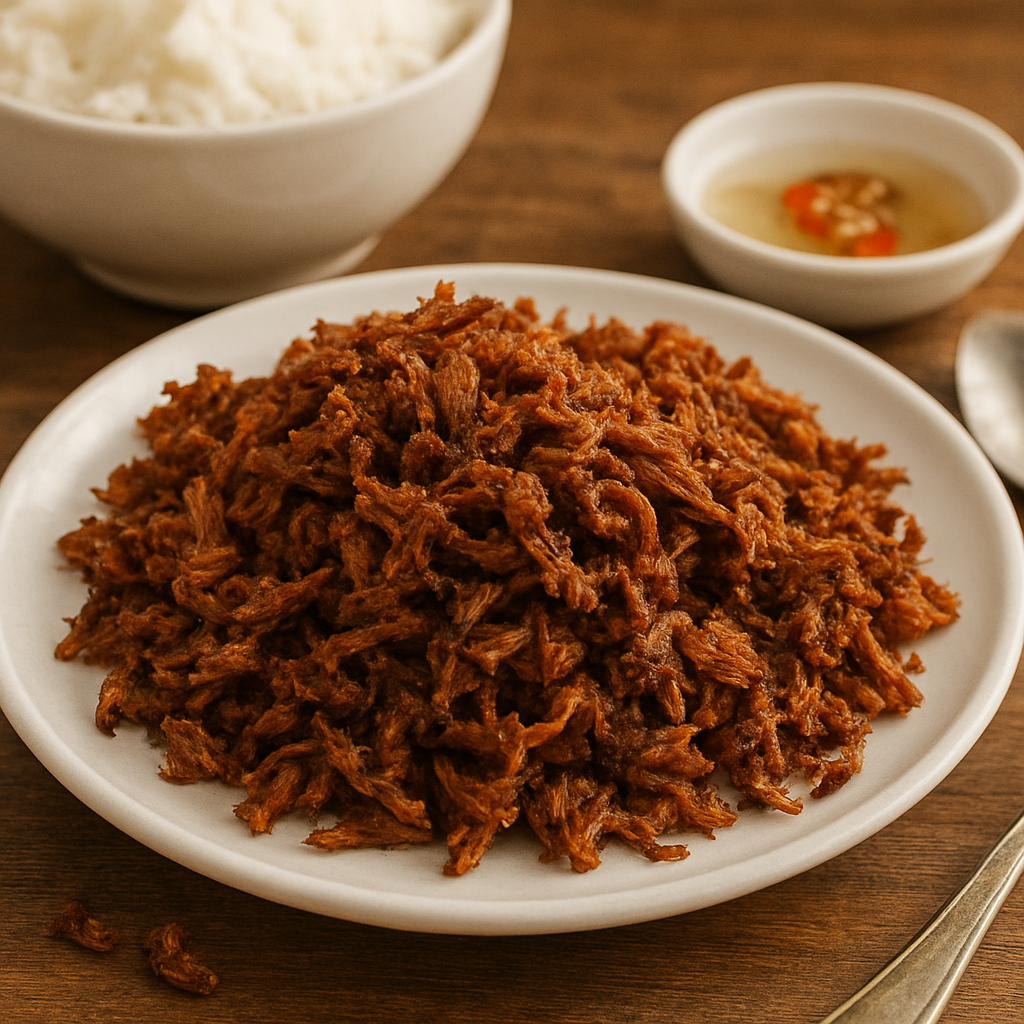
1. Adobo Flakes
Transform the traditional adobo into a crispy delight. Start by simmering chicken or pork in vinegar, soy sauce, garlic, and spices until tender. Shred the meat, fry it until crispy, and serve with rice for a wholesome meal.

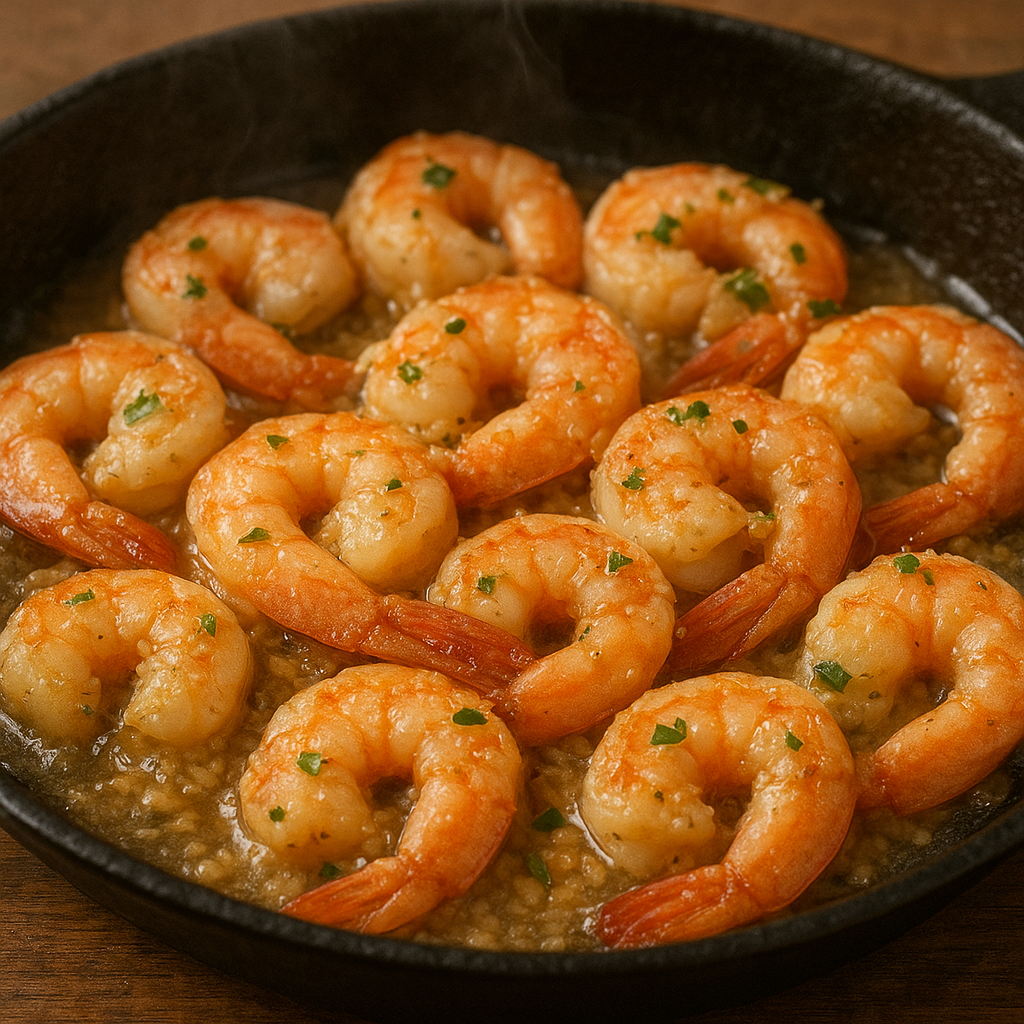
2. Garlic Butter Shrimp
Sauté shrimp in a mix of garlic and butter until they turn pink. This dish is not only quick to prepare, but the garlic enhances the shrimp’s flavor significantly, making it a crowd-pleaser.

3. Tortang Talong
Grill eggplants until they are soft, then mash the flesh and mix with beaten eggs. Fry until golden brown. This easy dish is nutritious and can be served with a side of ketchup.

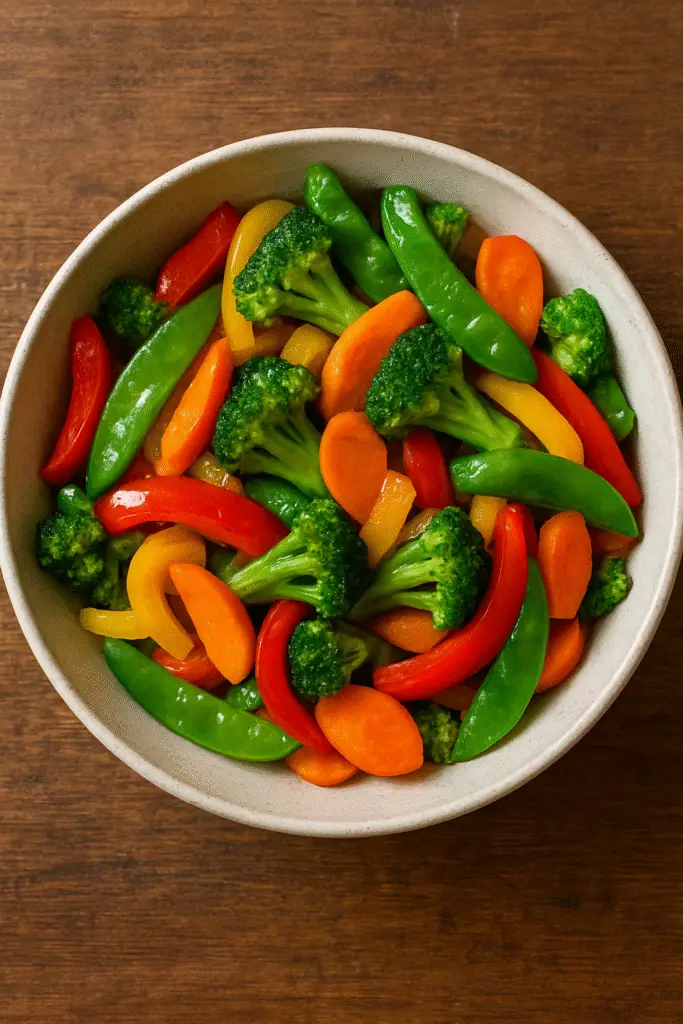
4. Stir-fried Veggies
Quickly sauté a variety of vegetables such as bell peppers, carrots, and broccoli in olive oil with soy sauce. This dish is colorful, packed with nutrients, and complements any protein source.

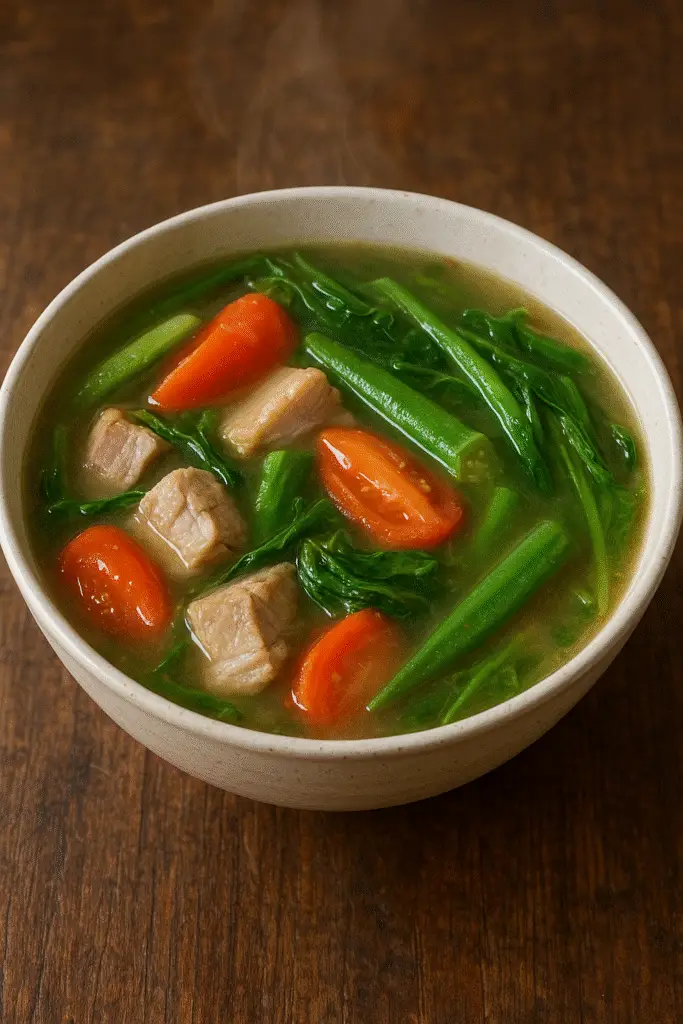
5. Sinigang na Instant Mix
Utilize instant sinigang mix for a tangy soup. Add your choice of protein, along with water and vegetables, and let them simmer for a comforting meal without extensive cooking time.

6. Canned Tuna Pasta
Cook pasta, and then combine it with canned tuna, olives, and mayonnaise for a simple yet satisfying dish. This recipe is a great option for pantry staples.

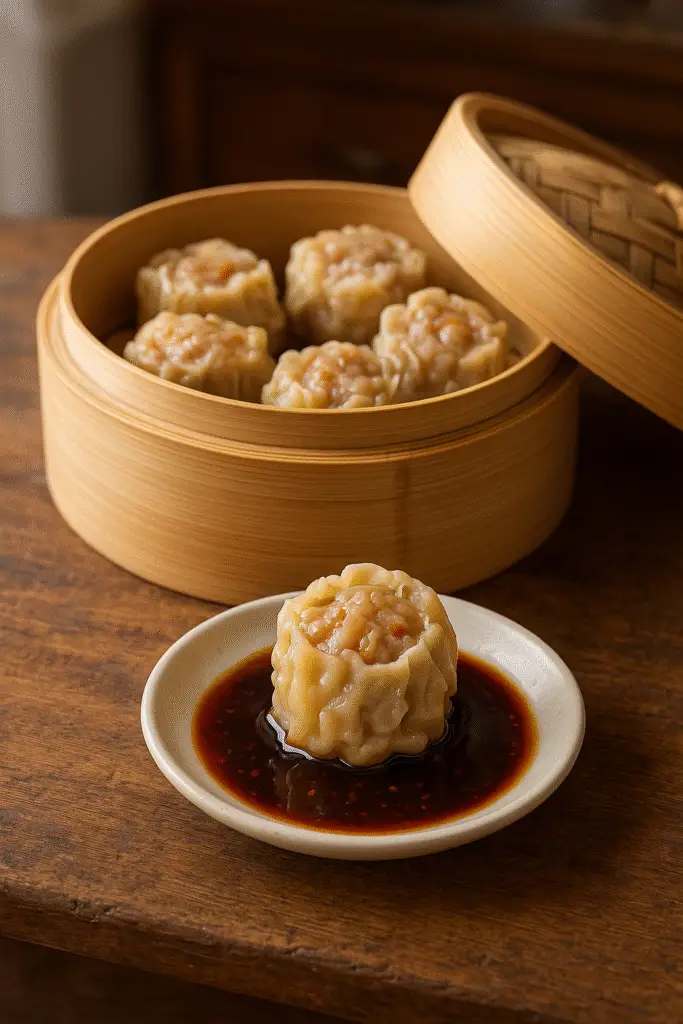
7. Siomai sa Sarsa
Steamed siomai served with a simple soy sauce and chili mix makes for a delicious meal. This dish requires minimal preparation, yet it offers robust flavors.

8. Instant Noodles with Egg
Cook instant noodles and crack an egg into the boiling water for added protein. Garnish with green onions for a quick, hearty meal on days when time is limited.

9. Korean BBQ Beef Wraps
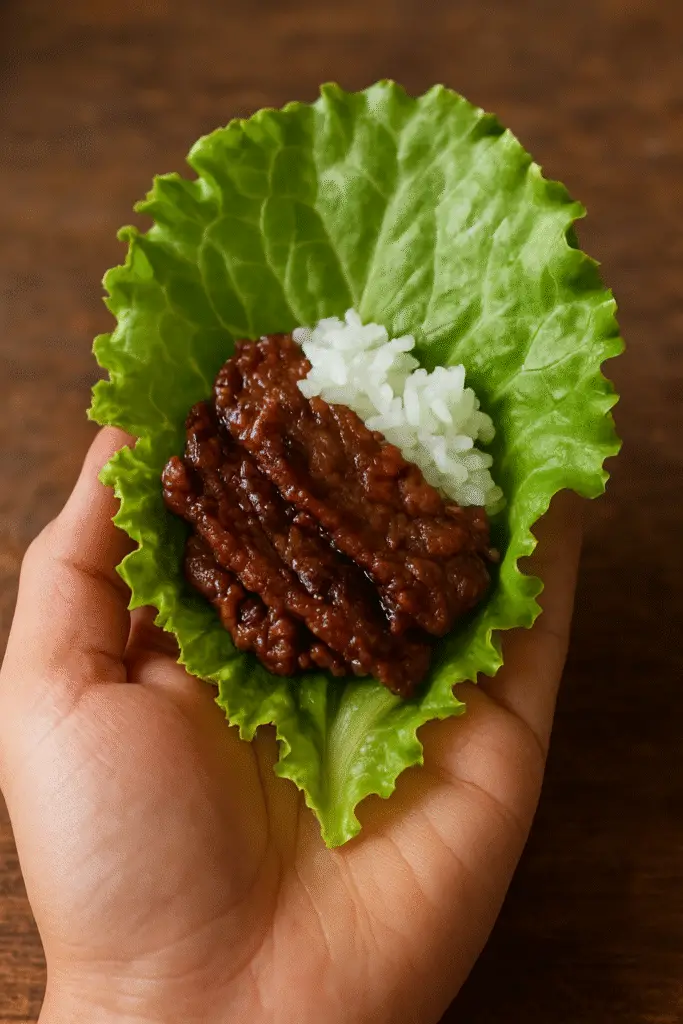
Marinate slices of beef in a mixture of soy sauce, sugar, and garlic, then grill quickly. Wrap in lettuce leaves for a refreshing and satisfying meal that’s easy to prepare.

10. Veggie Omelet
Whisk eggs and incorporate chopped vegetables of your choice. Cook until fluffy for a filling breakfast or dinner option. It’s a great way to utilize leftover veggies from the refrigerator.

These quick ulam recipes offer delicious solutions for those looking to minimize cooking time without sacrificing taste or nutrition. Each one can be prepared in under thirty minutes, making them perfect for anyone who finds themselves too tired to cook but still desires a satisfying meal.

Tips for Effortless Meal Preparation

In today’s fast-paced world, meal preparation can often feel like a daunting task, especially for busy individuals. However, there are several strategies that can make the cooking process quicker and more enjoyable. One effective approach is batch cooking. By setting aside a few hours each week to prepare larger portions of meals, you can save time during the weekdays. Cooking a big batch of rice or pasta, for example, allows you to use these staples in various dishes throughout the week, minimizing the need for daily cooking.

Another practical tip is to utilize versatile ingredients. Ingredients like chicken, tofu, and assorted vegetables can be used across multiple recipes. This flexibility not only simplifies meal planning but also minimizes food waste. For instance, roasted vegetables can be served as a side dish one night, then incorporated into a stir-fry or salad the following evening. By choosing ingredients that can easily transition into different meals, you can streamline your weeknight cooking.

Organization is key in any kitchen. Maintaining an organized workspace can dramatically reduce the time it takes to prepare meals. Grouping ingredients together and ensuring utensils are easily accessible will help you cook more efficiently. Additionally, using clear containers for storage can enhance visibility and accountability, making it easier to locate what you need when you need it.

Cleaning up can often feel like the most tedious part of cooking, but there are ways to minimize this chore. Using a single cutting board for all prepping can cut down on dishwashing, while lining baking sheets with parchment paper can aid in easy cleanups. Furthermore, employing tools like slow cookers or pressure cookers can also reduce both cooking time and the number of dishes used, making meal preparation effortless.

Bringing It All Together: Enjoying Your Meal

Food has an intrinsic ability to nourish not just the body but also the mind and spirit. After a long and challenging day, taking a moment to enjoy one’s meal can be a necessary respite. Regardless of the effort put into preparation, savoring what is on the plate can transform an ordinary dining experience into a celebration of self-care. In today’s fast-paced lifestyle, where many opt for quick meals, it’s essential to create an environment that enhances the act of eating.

When meals are prepared swiftly, simple plating and thoughtful presentation become pivotal. The way food is arranged on a plate can significantly impact one’s perception of the meal. Consider using colorful vegetables or garnishing with fresh herbs to make even the most straightforward ulam visually appealing. A well-presented dish invites appreciation and heightens the overall dining experience. Utilizing various textures and colors not only adds to the appeal but also emphasizes the effort that goes into preparation, no matter how hurried it may have been.

Creating a relaxing dining atmosphere further amplifies the enjoyment of food. Dimming the lights, playing soft music, or even setting the table nicely can enhance the experience of a quick meal. Emphasizing that each meal is an opportunity to unwind encourages individuals to appreciate even the simplest of dishes. Taking time to observe the flavors, aromas, and textures of ulam can lead to a more fulfilling eating experience. This mindfulness in consumption reinforces the connection between sustenance and relaxation, enabling individuals to detach from daily stressors.

Ultimately, whether one opts for elaborate recipes or quick meals, the key lies in the appreciation of the moment. Taking the time to enjoy each bite and acknowledging personal efforts in meal preparation fosters a sense of accomplishment and well-being after a long day.

The Secret Language of Filipinos: Fun Non-Verbal Gestures You Need to Know

The Secret Language of Filipinos: Fun Non-Verbal Gestures You Need to Know

The Secret Language of Filipinos: Fun Non-Verbal Gestures You Need to Know

Introduction to Filipino Non-Verbal Gestures

In the vibrant culture of the Philippines, non-verbal communication significantly enriches interpersonal interactions. Filipino non-verbal gestures, commonly referred to as a ‘secret language,’ play a crucial role in expressing emotions, intentions, and social cues that may not always be articulated through words. This unique mode of expression fosters a sense of community and connection among individuals, making each encounter more meaningful.

The importance of non-verbal gestures in Filipino society is especially evident in daily interactions, where they often enhance understanding and camaraderie. From a friendly smile to a subtle nod, these gestures convey emotions and social messages that are unique to the culture. For instance, the “papayang” gesture, which involves a light touch to the chest followed by a gentle wave of the hand, is a warm way of saying “hello” or acknowledging someone’s presence. Such gestures are not merely for show; they are deeply embedded in the traditions and values of the Filipino people, reflecting their warmth and hospitality.

Moreover, Filipino non-verbal communication transcends linguistic barriers, allowing individuals from diverse backgrounds to engage meaningfully. This aspect is particularly important in a multicultural society where a shared understanding helps bridge gaps and foster relationships. By learning and appreciating these unique gestures, one can navigate social situations more effectively and demonstrate an appreciation for Filipino culture.

As we delve deeper into the various non-verbal gestures that Filipinos use, readers are encouraged to observe and reflect on how these actions contribute to the rich tapestry of communication within this vibrant culture. Embracing these nuances can lead to a more profound understanding of the Filipino way of life and strengthen interpersonal connections.

Common Filipino Gestures: A Rolodex of Non-Verbal Signals

The Philippines is a nation rich with diverse cultures and expressive communication, where non-verbal gestures play an essential role. Filipinos have a unique repertoire of gestures that convey meanings beyond words. Here are several common Filipino gestures that illustrate the joys and nuances of local interaction.

One of the most recognizable gestures is the “mano.” This involves taking an elder’s hand and placing it on one’s forehead as a sign of respect. It is often performed during family gatherings where respects for elders are paramount.

Another quintessential gesture is the “pabebe wave.” This playful movement involves a slight wave of the hand with a bend of the wrist, often used humorously to express indifference or to tease someone. Picture a teenager attempting to be polite while simultaneously rolling their eyes—it captures the essence of youthful cheekiness.

The “finger heart” gesture has gained popularity across social media and represents affection and love. Formed by crossing one’s thumb and forefinger to create a heart shape, it’s often used in photos or greetings, especially among friends.

“Salute” is another popular gesture, characterized by a swift, upward motion of the right hand to the forehead. This gesture humorously signifies a playful acknowledgment or a friendly reminder among peers, reminiscent of military commands but rendered informal and jovial.

Humorously, the “atup” gesture involves a subtle hand wave by raising your palm outward while tilting your head, effectively signaling “over there” or “come here” without uttering a single word. It is often used during group hikes, barbecues, or gatherings when a swift call to action is necessary.

These gestures, along with many others, embody the vibrant spirit of Filipino culture. They offer humorous, heartfelt ways to communicate, enriching everyday interactions and allowing for a deeper understanding of shared social dynamics.

The Cultural Significance of These Gestures

The non-verbal gestures prevalent among Filipinos serve as profound reflections of collective cultural values, particularly those of community, hospitality, and humor. In a society where interpersonal relationships are highly valued, these gestures do not merely function as supplementary forms of communication; they are fundamental to reinforcing social bonds and fostering a sense of belonging. When individuals engage in these gestures, they express a shared identity that transcends mere spoken language, allowing for a deeper connection.

For instance, the well-known “mano” or hand-kissing gesture symbolizes respect for elders, illustrating the Filipino value of familial piety. This act reinforces the bonds between generations, highlighting the importance of hierarchy and respect within the community. In this way, gestures transcend their physical manifestation, becoming symbols of culture and social structure.

Additionally, gestures such as the “pabahay” or the playful wave of the hand signify warmth and hospitality, making the atmosphere more inviting. When Filipinos use these gestures, they create an informal, yet intimate environment conducive to open dialogue and camaraderie. These actions serve as an invitation for friendship, embodying the national trait of “bayanihan” — a spirit of communal unity and cooperation, which is deeply embedded in the Filipino psyche.

The humor infused in gestures also deserves mention. For example, mimicking exaggerated facial expressions or using playful hand signals in conversation allows Filipinos to break down barriers and engage in light-hearted exchange. This reflects the national ability to find joy amidst challenges, reinforcing that humor is a vital aspect of Filipino resilience.

In essence, the gestures adopted by Filipinos are not merely functional tools of communication; they embody cultural ethos and symbolize pride in shared identity. Their significance lies in their ability to enhance interpersonal relationships while reflecting the very essence of Filipino society.

Join the Conversation: Share Your Favorite Gestures!

As we explore the rich tapestry of Filipino non-verbal communication, we invite you to engage in this enlightening journey by sharing your thoughts and experiences. Each gesture holds unique significance, reflecting cultural nuances that vary across regions and communities. By participating in this conversation, you not only broaden your understanding of Filipino customs but also contribute to a collective knowledge that celebrates our diversity.

What are some gestures that you use when trying to get someone’s attention? For instance, many Filipinos might raise their eyebrows or use a subtle hand movement to signal someone from a distance. Perhaps you have a favorite gesture that is specific to your family or local community. We encourage you to share these instances, as personal anecdotes often provide valuable insights into how non-verbal communication can differ even within the same country.

Furthermore, do you have any funny or memorable stories involving these gestures? Humor often serves as a bonding agent, and sharing your light-hearted or humorous experiences can foster a sense of community. Such stories can illustrate the unexpected results of using a gesture in the wrong context or the joy of learning from friends and family about unique expressions.

We would also love to hear about gestures that have special meanings for you. How do these gestures make you feel connected to your culture? Whether it’s a hand signal for a unique greeting or a gesture that signifies respect or gratitude, your contributions will enrich our collective appreciation for Filipino non-verbal communication.

Join us in this dialogue and let’s create an archive of the gestures that bond us. Your voice matters, and together, we can keep the vibrant tradition of Filipino non-verbal expressions alive and thriving.

The Tita Chronicles: A Humorous Guide to Filipino Aunts at Family Gatherings

Introduction: The Unique Role of Titas in Filipino Families

In Filipino culture, the term “tita” refers to an aunt, but it encompasses much more than a mere familial relation. Titas are integral figures in family dynamics, serving not only as relatives but also as nurturers, confidantes, and even unofficial life coaches. Their influence extends far beyond family gatherings, as they often play pivotal roles in shaping traditions and nurturing familial bonds. These women bring a distinctive blend of affection, humor, and sometimes, a touch of overwhelming scrutiny to any family event, creating an atmosphere that is both welcoming and engaging.

At family gatherings, titas are known for their lively banter and keen observations. They often find ways to inject a sense of humor into conversations, providing comic relief amid the chaos of various family interactions. Their knack for storytelling often evokes nostalgia, prompting laughter as they share tales from the past that highlight the unique quirks and characteristics of family members. This role as entertainers not only fosters a sense of connection but also strengthens the ties that bind a family together.

Moreover, the love that titas display is profound and palpable. They often take it upon themselves to ensure that everyone in the family feels appreciated and valued, keeping a watchful eye out for both emotional and physical wellbeing. Yet, this caring nature can sometimes manifest as excessive scrutiny, leading some family members to joke about the “tita radar.” Their well-meaning questions and observations may come off as nosy, but are often rooted in an earnest desire to connect and understand their loved ones deeply.

As we delve into the humorous aspects of titas at family gatherings in this guide, it is essential to embrace their quirks and the invaluable role they play in Filipino families. Ultimately, appreciating their contributions enriches our understanding of these cherished relatives and the cultural tapestry they help weave.

Meet the Titans of Tita: 10 Distinct Personalities

Family gatherings in Filipino culture are incomplete without the presence of various tita personalities, each bringing their own unique charm and humor. Here, we explore ten distinct types of titas, illustrating their signature styles, phrases, and quirks that make them memorable.

1. Tita Maalaga: Known for her nurturing demeanor, Tita Maalaga is never without her trusty basket of snacks, often proclaiming, “Kain tayo!” Her floral dresses complement her motherly approach, always offering seconds and thirds to hungry relatives.

2. Tita Online: This tech-savvy tita keeps everyone updated via social media. With her smartphone in hand, she exclaims, “Did you see my post?” Her trendy outfit reflects her modern flair, making her the go-to for the latest family gossip.

3. Tita Sawsaw: The queen of unsolicited opinions, Tita Sawsaw loves sharing thoughts on everything—from fashion choices to life decisions. “You should really try this,” she often insists. Her loud and colorful outfits command attention, just like her boisterous personality.

4. Tita Bibo: Always the life of the party, Tita Bibo breaks out into song or dance at any moment. “Let’s have some fun!” she yells, lighting up the room. Her vibrant attire matches her energetic spirit, drawing everyone into her antics.

5. Tita Mapanuri: Never shy to scrutinize, Tita Mapanuri balances her fashionable appearance with sharp observations. “Are you sure that’s a good idea?” is her catchphrase. With tailored outfits and a discerning eye, she’s the guardian of standards in the family.

6. Tita Nagtatanong: This curious tita is known for her endless questions, like “When are you getting married?” Her quest for knowledge often leads to humorous exchanges. Opting for casual attire, she remains approachable for everyone.

7. Tita Prino: With her flair for storytelling, Tita Prino draws everyone into her tales, often exaggerating details for effect. “You wouldn’t believe what happened!” she exclaims. Her eclectic wardrobe is as captivating as her narratives.

8. Tita Forever Young: Clinging to her youthful spirit, Tita Forever Young dresses in chic outfits often reflecting contemporary trends. “Age is just a number!” she claims, inspiring laughter and admiration among younger relatives.

9. Tita Maldita: Her no-nonsense attitude is paired with cutting remarks. Tita Maldita famously says, “I’m just being honest!” Her minimalist style contrasts her sharp commentary, keeping everyone on their toes.

10. Tita Establishment: The pillar of the family, Tita Establishment maintains traditions and family values. “Let’s stick to what we know,” she often insists, dressing in timeless attire that commands respect.

Each of these tita personalities showcases the humor, warmth, and colorful dynamics that define Filipino family gatherings, making them unforgettable characters in the fabric of family life. With their distinct traits and memorable quips, these titas elevate gatherings from ordinary to extraordinary.

Signature Phrases and Styles: What Makes Each Tita Unique

Filipino family gatherings are often a kaleidoscope of vibrant personalities, and the aunts, colloquially known as “titas,” play a pivotal role in creating memorable moments. Each tita possesses a signature style and a collection of catchphrases, both of which serve to establish their unique identities within the familial fabric. These phrases and fashion choices not only reflect individual personalities but also leave a lasting impact on the atmosphere of the gathering.

For instance, the tita who has a penchant for flowy, brightly colored dresses may often be heard exclaiming, “Ayan na, let’s eat!” This phrase, accompanied by her exuberant gestures, frequently sets off a chain reaction, as family members enthusiastically gather around the dining table. Her attire, a fusion of traditional Filipino elements and contemporary fashion, reinforces her welcoming nature and amplifies a sense of community among relatives.

In contrast, the chic tita, known for her love of designer handbags and stylish ensembles, often uses phrases like, “I have a cousin who’s a doctor; you should talk to him.” This catchphrase highlights her tendency to connect family members to potential professional opportunities, reflecting her nurturing but slightly competitive spirit. Her presence elevates family gatherings, as she exudes an aura of success and aspiration.

Moreover, we cannot overlook the classic tita who shares nostalgic wisdom through phrases like, “Back in my day…” This particular tita often sports an elegant yet simple look, favoring modest blouses paired with tailored slacks. Her style may be understated, but her words resonate deeply, fostering connections across generations and reminding the family of shared values.

Ultimately, these signature phrases and unique styles contribute significantly to the essence of each tita, enhancing the joyous and communal atmosphere characteristic of Filipino family gatherings. The combination of humor, warmth, and tradition undeniably makes them unforgettable figures in every family story.

Celebrate Your Titas: Sharing Stories and Memories

Family gatherings often come alive with the exuberant spirit of titas, the Filipino aunts known for their unique flair, quirky behaviors, and unwavering love. These gatherings serve as the perfect backdrop to reflect on the remarkable moments shared with these cherished figures in our lives. Whether they are the keepers of family lore or the ones who keep everyone entertained with their lively anecdotes, titas have a special way of weaving laughter and warmth into family traditions.

As we celebrate our titas, it is essential to recognize the myriad of ways they influence our lives. From their snug embraces to their favorite adages, each interaction is filled with a richness that deserves remembrance. Think back to instances when a tita’s word of advice turned into life’s greatest lesson, or perhaps a memory when their offbeat humor lightened a serious moment. Such recollections not only remind us of the joyful experiences but also underscore the values imparted through their stories.

Engaging with family members during these gatherings allows us to share and relive these memories collectively. Many of us can relate to those moments of anticipation while waiting for a particular tita to arrive, instantly transforming the atmosphere with her infectious energy or unique dish she insists on bringing. Do these recollections resonate with you? We invite you to share your own stories, anecdotes, or humorous encounters with your family titas in the comments section below. Your contributions can foster a vibrant community where laughter and nostalgia can flourish, celebrating the charming presence our titas have in shaping our family dynamics.

In sharing stories and memories about our beloved titas, we preserve the essence of familial bonds and create new narratives that future generations can cherish. Each tita embodies a special character in our family saga, and the tales we accumulate are threads of a beautiful tapestry woven through love, laughter, and perhaps even a little bit of chaos.

Navigating Bisita: A Practical Guide for Filipinos to Manage Christmas Financial and Social Pressures in 2025

Navigating Bisita: A Practical Guide for Filipinos to Manage Christmas Financial and Social Pressures in 2025

Navigating Bisita: A Practical Guide for Filipinos to Manage Christmas Financial and Social Pressures in 2025

Introduction: Embracing the Christmas Spirit

The Christmas season holds a significant place in Filipino culture, characterized by its rich traditions and celebrations that resonate with joy and togetherness. Among these cultural practices, the tradition of ‘bisita’—the act of visiting relatives and friends during the holiday season—embodies the essence of Filipino hospitality and familial bonds. As families come together during this time, the warmth of reunion and the joy of shared moments create an atmosphere that defines the festive spirit.

However, the celebrations do not come without challenges. As we navigate the Christmas season of 2025, many Filipinos find themselves facing financial and social pressures. The economy has been a topic of concern, influencing household budgets and expenditures during the holiday season. These economic factors can create stress for families trying to maintain traditions, with many feeling the burden of gift-giving, food preparation, and travel expenses to visit loved ones. This often leads to a conflict between the desire to celebrate and the reality of financial constraints.

Despite these challenges, the joy of the Christmas season can be nurtured and enhanced through practical strategies. By embracing the true spirit of ‘bisita,’ families can prioritize genuine connections rather than materialistic expectations. This shift in perspective allows for the creation of unforgettable memories that treasure the essence of togetherness. In the subsequent sections, we will explore effective ways to navigate these pressures, ensuring that the warmth of the season remains intact while addressing the realistic challenges many face in 2025.

The Potluck Strategy: Sharing the Load

As the Christmas season approaches, the pressure on hosts to provide lavish meals for family gatherings often becomes overwhelming. A practical solution to mitigate these financial and social pressures is implementing a “potluck” strategy. This collective approach allows each family member to contribute a dish, relieving the burden from a single host while promoting a sense of community and shared responsibility.

When proposing the potluck idea, it is crucial to communicate your thoughts diplomatically. You could initiate the conversation by highlighting the joy of variety in dishes that a potluck can bring, suggesting that it enhances the overall festive experience. Emphasizing the significance of participation promotes a collaborative spirit, ensuring that everyone feels valued and included. To make the conversation smoother, consider framing it around the benefits of reducing costs and making preparations more manageable for everyone involved.

Coordination is key to a successful potluck. It is advisable to create a ‘potluck menu’ that outlines the types of dishes needed, ensuring a balanced meal that caters to diverse dietary preferences. Reach out to family members with a clear list indicating various categories like appetizers, main courses, sides, and desserts. This structured approach helps eliminate duplication while also considering dietary restrictions, such as vegetarian or gluten-free options.

Furthermore, consider utilizing digital platforms for coordination. Group chats or shared documents can facilitate organization and communication, allowing participants to confirm what they plan to prepare. This strategy not only organizes the meal but also involves everyone in creating the gathering’s atmosphere. By sharing the load, the potluck strategy can transform the festive experience into one rooted in collaboration, joy, and shared memories.

The ‘Experience’ Gift: Thoughtful Giving Without Breaking the Bank

As the holiday season approaches, Filipinos are often faced with the challenge of managing financial and social pressures while aiming to express their affection through gifts. In 2025, a practical alternative to the traditional material gift-giving is the concept of experience gifts. Instead of accumulating more possessions, families and friends can focus on creating memorable moments together, which can often be more fulfilling and impactful.

One viable option for affordable group gifts is organizing family outings. This can include a day at a local park, a picnic by the beach, or a visit to a community event. By pooling resources, several families can share the cost of these activities, making it financially manageable while enabling everyone to partake in the joy of togetherness. Seasonal activities, such as ice skating during the winter months or attending cultural festivals, also provide wonderful opportunities to bond without incurring substantial expenses.

Additionally, workshops can be arranged where participants learn a new skill, such as cooking traditional dishes or engaging in arts and crafts. These classes often come at a reasonable cost, especially when organized as a group. Not only does this approach promote teamwork, but it also fosters a spirit of camaraderie among participants, creating lasting memories for everyone involved.

For those considering organizing these experiences in line with the economic realities of 2025, it is crucial to communicate openly within the group about budgets and expectations. Setting a price range that everyone is comfortable with will ensure that no one feels pressured financially. Furthermore, planning ahead and booking in advance can often lead to discounted rates, making these experiences even more accessible.

Ultimately, by emphasizing the value of experiences over material items, Filipinos can navigate the pressures of the festive season more effectively, embracing thoughtful giving that fosters connection and joy.

Setting a Family Budget: Knowing Your Limits

As the holiday season approaches, it becomes increasingly important to establish a family budget that reflects both your financial situation and festive aspirations. The Christmas season can often lead to overspending due to the cultural expectations surrounding gift-giving, community gatherings, and indulgent meals. Therefore, a practical budget is crucial for managing these financial obligations while ensuring a joyous celebration.

Begin by assessing your current financial situation. This includes evaluating your income, savings, and any existing debts. It is essential to be honest about what you can afford, as this transparency lays the groundwork for a balanced budget. Outline essential expenses that typically arise during the Christmas season. Key categories often include aguinaldo, or monetary gifts, along with food and decorations. Creating a detailed list can provide clarity on where your funds will be allocated, allowing for better financial management.

Once you have established your necessary expenses, prioritize your spending. It may be beneficial to adopt a tiered approach, where you categorize expenses into “needs” and “wants.” For instance, ensuring that family gatherings are accommodated should take precedence over extravagant gift purchases. Allocating a specific amount for aguinaldo can help manage expectations with extended family and friends, thus minimizing potential social pressure. Furthermore, consider utilizing a budgeting template to track your expenditures effectively; this can be a simple spreadsheet or a budgeting application.

Make conscious decisions about each expenditure, being mindful of your financial limits throughout the festive season. By remaining disciplined and organized, you can ensure a festive yet responsible celebration. The goal is to maintain the spirit of Christmas without compromising your financial stability, allowing your family to enjoy the holiday season without the burden of debt or financial stress.

How to Politely Say No: Maintaining Boundaries with Grace

The holiday season often brings increased social obligations and financial expectations, which can lead to overwhelming pressure for individuals and families. As Filipinos navigate the intricate landscape of Bisita, it is essential to establish and maintain personal boundaries. Learning how to say no gracefully can safeguard your well-being while preserving family harmony.

One effective strategy for declining requests is to be honest yet tactful. When asked to participate in an event or provide financial assistance beyond your means, consider the following script: “I appreciate the invitation, but I need to prioritize my budget this year. I hope you understand.” This approach not only communicates your limitations but also expresses appreciation for the request.

Another technique involves offering alternative solutions. Suppose a relative requests an extravagant gift for Christmas. You can respond with, “Instead of a material gift, how about we spend quality time together? I’d love to take you out for a meal.” This way, you assert your boundaries while reinforcing relationships through meaningful interactions.

Role-playing scenarios can be particularly useful in preparing for potential real-life situations. Practice with a friend or family member, simulating various scenarios where you might be approached for financial help or social commitments. This exercise builds confidence and fosters smooth, respectful communication when the time arises.

Finally, remember that self-care is essential. Setting boundaries is not selfish; it is a necessary practice for maintaining your mental and emotional health during a busy period. Prioritizing your well-being enables you to engage positively with family and friends, making the holiday season more enjoyable for everyone involved. By integrating these strategies into your approach, you can navigate Bisita with grace and poise, enhancing both your financial responsibility and personal relationships.

Navigating Social Expectations: Balancing Tradition and Personal Limits

The Christmas season in the Philippines, marked by vibrant gatherings and the tradition of bisita, often brings with it an array of social expectations. Family reunions, neighborhood celebrations, and various festivities can create pressure for individuals to participate fully, navigate intricate social networks, and adhere to cultural norms surrounding giving and receiving gifts. This dynamic can generate anxiety, particularly when personal financial circumstances do not align with the traditional expectations of generosity and hospitality.

Understanding one’s personal limits is vital in managing these social pressures. One of the first steps is to assess individual financial capabilities and emotional boundaries before engaging in holiday preparations. Mindful budgeting can help determine how much one is comfortable spending on gifts and gatherings without compromising essential expenses or savings. Moreover, open conversations with family members about financial constraints and personal boundaries can foster a supportive atmosphere and encourage more realistic expectations.

Maintaining authenticity during interactions with relatives is equally important. While it is essential to honor tradition, it is equally important to remain true to oneself. If financial strain or personal commitments limit traditional practices, communicating these feelings respectfully can mitigate misunderstandings. Finding alternative ways to celebrate Christmas, such as potluck meals or simple gifts, can still foster connections without falling into the trap of excessive spending.

Ultimately, navigating social expectations during the Christmas season calls for a balanced approach that respects traditions while establishing personal boundaries. By being honest about one’s circumstances and prioritizing genuine interactions over material exchanges, individuals can enjoy the holiday spirit without the accompanying stress. The challenge lies in effectively balancing these cultural customs with personal limits to create a fulfilling yet manageable festive season.

Creative Solutions for Communication: Keeping Everyone in the Loop

Effective communication is a cornerstone of navigating the intricate social and financial pressures of the Christmas season. For families aiming to balance budgets and festive celebrations, establishing clear and consistent communication channels is vital. By keeping everyone informed about budgetary considerations and celebratory plans, you can cultivate an atmosphere of understanding and collaboration.

Utilizing modern technology plays a significant role in enhancing communication among family members. Group chats established on popular messaging platforms such as WhatsApp, Facebook Messenger, or Viber can serve as dynamic forums for discussion. These platforms allow family members to share their thoughts, ideas, and preferences in real-time, thereby fostering a sense of involvement and commitment. It is advisable to create a dedicated group specifically for holiday planning. This will encourage participants to engage in thoughtful discussions regarding financial contributions, gift exchanges, and event coordination.

Additionally, video conferencing tools like Zoom or Google Meet can facilitate virtual family meetings, particularly beneficial for families spread across different locations. Virtual gatherings offer a platform for open dialogue and enable family members to voice their expectations and contributions effectively. During these meetings, families can collaboratively strategize, allocate tasks, and set budgets, ensuring each person feels valued in the planning process.

Incorporating shared digital tools such as Google Sheets or collaborative apps like Trello can also streamline organization. By creating a shared document for budget tracking and party planning, each family member can have real-time access to updates and modifications. This collective approach not only enhances transparency but also alleviates stress associated with planning.

Clear communication, therefore, is essential in managing holiday expectations. By fostering open lines of dialogue and utilizing the right tools, families can navigate the complexities of the holiday season together, ensuring a joyful and cohesive celebration.

Cultural Sensitivity: Honoring Traditions While Embracing Change

During the Christmas season, Filipinos often find themselves navigating a complex tapestry of traditions and expectations, particularly when it comes to familial gatherings. The term ‘Bisita’ is central to this period and encompasses both financial and social obligations. Therefore, cultural sensitivity becomes essential in managing these dynamics effectively. Recognizing that family members may have varying perspectives on traditions allows for a more inclusive approach to celebrations. This can lead to smoother interactions, especially when older generations may be resistant to change.

Understanding these generational differences is crucial. For instance, some family members may hold steadfast to traditional practices such as formal dinner settings or specific gift exchanges, while younger relatives might prefer a more relaxed, modern approach to celebrations. Emphasizing open communication and mutual respect fosters an environment where both old and new traditions can coexist. This dialogue can lead to a blending of customs, where younger families innovate while still respecting long-held practices, ensuring no one feels alienated.

To promote a harmonious gathering, individuals may consider integrating modern elements into traditional events. For example, introducing digital invitations can appeal to tech-savvy family members while still maintaining the charm of handwritten messages for older relatives who appreciate nostalgia. Additionally, incorporating diverse food options that cater to various dietary preferences can respect both traditional Filipino cuisine and modern health trends. Such adjustments not only honor the past but also pave the way for evolving practices that reflect a changing society.

In fostering cultural sensitivity, it becomes possible to navigate the pressures of Christmas gatherings with greater ease. Respecting diverse viewpoints on celebration can transform seemingly rigid expectations into an enriching experience for all involved.

Conclusion: Creating a Meaningful Christmas Experience

As we approach Christmas 2025, it is essential to reflect on the importance of thoughtful planning and open communication in cultivating a fulfilling holiday experience. The pressures associated with Bisita can often overshadow the true essence of the season, leading to stress and dissatisfaction among family members. By embracing a structured approach to the festivities, Filipinos can alleviate financial burdens and enhance social harmony during this festive period.

A key takeaway from this guide is the value of empathy and cooperation within families. By engaging in meaningful discussions regarding holiday expectations and financial capabilities, families can collaboratively create plans that reflect their unique circumstances. This proactive communication fosters understanding and reduces the likelihood of misunderstandings, ensuring that everyone is on the same page as they navigate the complexities of Christmas celebrations.

Moreover, it is vital to reframe our perceptions of Christmas away from materialism toward genuine connection. Focusing on shared experiences and acts of kindness can help reposition the holiday into a time of unity and joy. Establishing traditions that emphasize togetherness will help each family member appreciate the significance of the season beyond the tangible gifts. Simple gestures—a shared meal, a family activity, or volunteer work—can leave lasting memories, reinforcing familial bonds and respect for one another.

As we implement the lessons learned from this guide, it is our hope that the culture of empathy, cooperation, and mindful celebration will extend beyond the 2025 Christmas season. By fostering these values, families can craft a meaningful Christmas experience that not only celebrates the joy of the holiday but also enriches their relationships for years to come.

10 Unique and Enjoyable Activities to Experience in the Philippines During the Rainy Season

10 Unique and Enjoyable Activities to Experience in the Philippines During the Rainy Season

10 Unique and Enjoyable Activities to Experience in the Philippines During the Rainy Season

Introduction

The Philippines, an archipelago known for its stunning beaches and vibrant culture, undergoes a fascinating transformation during the rainy season. While many may equate rainfall with staying indoors and frequenting shopping malls, this time of year presents a unique opportunity to explore enjoyable activities that can be experienced in an entirely new light. Rather than allowing the rain to dampen your spirits, consider embracing it as a chance to engage in novel experiences that showcase the country’s rich heritage and natural beauty.

Diving into the array of activities available during the rainy season can lead to an adventure filled with fun and discovery. The lush landscapes become even more breathtaking, while the cooler weather makes exploring cities and towns more comfortable. The rain can create a captivating atmosphere that enhances the allure of various attractions, inviting visitors and locals alike to step outside their comfort zones. Acknowledging the rainy season as an invitation for exploration can broaden one’s perspective on what enjoying the Philippines truly entails.

This blog post aims to highlight ten unique and enjoyable activities that not only challenge the notion of rainy-day limitations but also encourage visitors to appreciate the Philippines in its full, vibrant state. Outdoor enthusiasts, culture seekers, and food lovers will all find something appealing, demonstrating that the Philippines remains an exciting destination, regardless of the weather. As we delve into these activities, remember that the rainy season can be as thrilling as any other time of year, offering moments that leave lasting memories. So, gear up for an unforgettable rainy adventure that reveals a different side of this beautiful nation.

Explore Interactive Museums

Visiting interactive museums during the rainy season in the Philippines offers a unique blend of education and enjoyment, making them an ideal indoor activity. Rainy days often prompt families to seek engaging venues that can entertain while providing insights into the rich cultural tapestry of the nation. Interactive museums have the added advantage of letting visitors actively participate in their experiences rather than just observing, which enhances learning and retention.

One significant example is the Ayala Museum located in Makati City. This museum takes a comprehensive approach to storytelling by showcasing Philippine history, culture, and art through various interactive exhibits. Visitors can explore displays that illustrate the country’s pre-colonial heritage, diverse cultural practices, and contemporary art movements. The museum’s layout encourages participation; visitors can engage with technology-enhanced displays that offer deeper insight into the subjects being portrayed.

Furthermore, interactive museums are particularly beneficial for families. They provide a safe and stimulating environment for children to learn while having fun. Many exhibits include hands-on activities that cater to various age groups, ensuring that every family member finds something enjoyable. This approach of learning through play also fosters curiosity, making it an enticing option during the Philippine’s rainy months when outdoor activities may be limited.

In summary, the rainy season does not have to limit the enjoyment of local attractions. Interactive museums like the Ayala Museum present a wonderful opportunity to delve into the country’s diverse culture, providing both entertainment and educational value. This makes them a fantastic choice for families and culture enthusiasts seeking to escape the downpour while enriching their understanding of the Philippines.

Participate in a Pottery Class

Engaging in a pottery class during the rainy season offers a unique and enjoyable indoor activity that stimulates creativity while providing therapeutic benefits. Local studios, such as the Clay Cafe in Quezon City, offer the perfect environment for individuals of all skill levels to explore their artistic side. In these classes, participants can expect to learn various techniques of shaping and molding clay into distinct forms, guided by experienced instructors who foster a supportive atmosphere.

The hands-on experience of working with clay is not only entertaining but also serves as a powerful medium for relaxation. The rhythmic motions of kneading and shaping clay can act as a form of meditation, allowing individuals to disconnect from daily stresses and immerse themselves in the moment. This therapeutic quality makes pottery a compelling choice for those seeking solace during the rainy season.

Moreover, the sense of accomplishment that comes with creating a tangible piece of art can significantly enhance one’s mood. At the end of the class, participants often take pride in their personalized creations, which can range from functional pottery to decorative items. This results in not only a memorable experience but also a unique keepsake that serves as a reminder of the time spent engaging in this fulfilling activity. Whether you are a novice or an experienced potter, participating in a pottery class is an enriching way to experience the beauty of artistic expression while staying dry indoors, making it an ideal rainy day pursuit in the Philippines.

Indulge in a Culinary Adventure

Experiencing the rich culinary heritage of the Philippines during the rainy season presents a unique opportunity to engage with the country’s vibrant food culture. Culinary classes and food tours are particularly enjoyable activities that allow visitors to delve deeper into the traditional Filipino cuisine while staying dry indoors. One notable example is the ‘Kusina ni Lola’ cooking class located in Cebu City. This engaging experience invites participants to learn the art of preparing authentic Filipino dishes under the guidance of skilled local chefs.

In these classes, individuals can explore various cooking techniques, utilize fresh local ingredients, and discover the cultural significance behind each dish. From savory adobo to sweet desserts such as leche flan, the culinary adventure offers a hands-on approach to understanding the Filipino palate. Additionally, many classes incorporate storytelling elements that share personal anecdotes and historical contexts, enriching the overall experience for participants.

For those who prefer to explore food offerings without the cooking aspect, guided food tours offer an excellent alternative. These tours often take you through bustling markets and street food stalls, where you can sample an array of local delicacies. Enjoying dishes like sinigang, lumpia, and halo-halo from various vendors can be an exciting way to experience the flavors of the Philippines up close. Engaging with local culinary traditions during this season adds a cozy and social dimension to your travels.

Overall, indulging in a culinary adventure not only alleviates the boredom brought on by rainy days but also allows for a deeper appreciation of the Philippines’ diverse gastronomic landscape. Both cooking classes and food tours cater to a variety of tastes and interests, ensuring memorable experiences for all.

Lounge at a Library Café

As the rainy season sets in, seeking refuge from the downpour becomes essential, and what better place to do so than at a library café? A notable example is the National Library of the Philippines in Manila, which not only serves as a repository of knowledge but also boasts a cozy café that invites visitors to unwind. This dual-function space provides the perfect blend of literary exploration and the comforting aroma of freshly brewed coffee.

The ambiance within the library café is markedly tranquil, offering a calming atmosphere that is ideal for both reading and reflection. The soft sounds of rain outside create a serene backdrop, fostering a sense of peace that is often hard to find in our fast-paced daily lives. Visitors can easily settle into one of the comfortable seating areas, where they can indulge in a captivating book while sipping on a hot beverage. The availability of Wi-Fi also enables those who need to catch up on work or studies to do so in a relaxed environment.

Moreover, library cafés often promote a culture of learning and creativity. Patrons are encouraged to engage with the materials around them, be it through a leisurely read or group discussions that might emerge among fellow book enthusiasts. The experience promotes not only personal growth but also a sense of community. The National Library of the Philippines, in particular, stands out because it effectively combines culture with a casual café atmosphere, making it a unique destination during the rainy season.

In essence, visiting a library café such as the one at the National Library of the Philippines offers a wonderful opportunity for individuals to escape the dreariness of rainy weather while simultaneously celebrating the joy of reading and enjoying delicious coffee.

Rejuvenate at Hot Springs

Experiencing the healing properties of hot springs during the rainy season in the Philippines can be a truly rejuvenating activity. One noteworthy destination is The Resort at Carron located in Pangasinan, which offers a serene environment complemented by warm mineral waters. These natural hot springs are renowned for their therapeutic benefits, as the minerals can help alleviate muscle tension and promote relaxation, making them an ideal retreat during inclement weather.

The soothing warmth of the springs provides a stark contrast to the cool, damp air typical of the rainy season. This unique climate can enhance the experience, allowing visitors to unwind amidst lush tropical landscapes while listening to the gentle rhythm of raindrops falling in the surroundings. The ambiance created by the combination of warm waters and rain can be both calming and invigorating, offering an escape from the hustle and bustle of daily life.

Whether you are seeking a romantic getaway or a family-friendly outing, visiting a hot spring in the Philippines can cater to both needs. Couples can enjoy shared moments of tranquility, surrounded by nature, while families can bond over playful activities in the soothing waters. Many hot springs also offer additional amenities such as spa treatments, dining options, and recreational facilities, making them perfect for a mini-vacation. The warm, mineral-rich waters of these springs can transform an ordinary rainy day into an extraordinary experience, promoting not only physical rejuvenation but also emotional well-being.

In conclusion, visiting hot springs, such as The Resort at Carron in Pangasinan, can be an enjoyable way to embrace the rainy season while capitalizing on the myriad health benefits associated with thermal baths. As you immerse yourself in the warm waters, the experience may inspire a deep sense of relaxation and merriment, creating cherished memories with loved ones.

Attend a Local Workshop or Artisan Class

Participating in a local artisan workshop or class presents an invaluable opportunity to immerse oneself in the rich cultural heritage of the Philippines. Activities such as weaving in Ilocos highlight the skills and creativity of local artisans who have honed their crafts over generations. Engaging in such workshops not only offers practical knowledge about traditional crafts but also supports the local economy and fosters a deep appreciation for Filipino culture.

Workshops often focus on various crafts, including pottery, woodcraft, and textiles, each offering a unique glimpse into the local way of life. For example, weaving is not merely a craft; it is an art form that has been integral to Ilocano culture. During the workshop, participants can learn techniques that have been passed down through the years, gaining insights into the intricate processes that define each craft. The hands-on experience enables individuals to create their handmade products, which serve as cherished mementos of their time in the Philippines.

Moreover, attending these workshops fosters a connection between visitors and local communities. Supporting artisans allows for the preservation of traditional skills, ensuring that they are not lost to modernization. This interaction enriches the traveler’s experience, as they gain a deeper understanding of the culture while contributing to its sustainability. Additionally, during the rainy season, these indoor activities are a perfect way to stay engaged and learn something new without being affected by the weather.

In conclusion, taking part in a local workshop or artisan class offers a unique experience that enriches one’s understanding of the Philippines’ vibrant culture while supporting local artisans. Engaging in these creative activities is a fulfilling option that helps keep the spirit of traditional crafts alive amidst the contemporary backdrop.

Enjoy a Movie Marathon at a Cozy Cinema

When the rainy season envelops the Philippines, it presents a unique opportunity to engage in indoor activities, and what better way to spend those drizzly days than by indulging in a movie marathon at a cozy cinema? One of the standout venues for this experience is Greenbelt 3, located in Makati. This cinema is renowned for its comfortable seating arrangements, allowing moviegoers to relax and settle in for hours of entertainment without discomfort. The plush recliners and spacious seating options create an inviting atmosphere that enhances the overall cinematic experience.

Beyond the comfort, Greenbelt 3 offers a selection of gourmet snacks that elevate the typical cinema offering. Patrons can enjoy a variety of delicious options ranging from artisanal popcorn to delectable desserts, ensuring that the experience extends beyond just watching a film. This combination of comfort and culinary delight makes it an ideal setting for movie marathons, as it allows you to focus entirely on the films and enjoy every moment spent indoors.

The appeal of catching up on films during the rainy weather is undeniable. With the rain pattering against the windows, the ambiance becomes perfect for immersing oneself in different cinematic worlds. Whether it’s a classic film, a captivating documentary, or the latest blockbuster, the mood is set for extended enjoyment without interruptions. This rainy-season activity not only provides a respite from the wet weather but also serves as a great way to unwind and indulge in storytelling.

As the rain falls outside, settling into a comfortable seat at Greenbelt 3 is an excellent way to escape the dreary weather while enjoying the company of friends or loved ones. So, the next time rain clouds gather, consider treating yourself to a movie marathon in this cozy cinematic haven.

Discover Local Art Galleries

When the rainy season envelops the Philippines, one of the most enriching activities to consider is exploring local art galleries. These cultural havens not only provide shelter from the rain but also offer a remarkable opportunity to immerse oneself in the diverse artistic expressions that reflect the country’s rich heritage. One notable destination is the Pinto Art Museum located in Antipolo, which stands out for its eclectic collection and picturesque setting.

Art galleries are more than just spaces to view paintings or sculptures; they serve as windows into the soul of a community, showcasing creativity, innovation, and cultural narratives. The Pinto Art Museum, for instance, is particularly renowned for its modern and contemporary Filipino art. Its sprawling grounds, meticulously curated exhibits, and tranquil atmosphere make it an ideal retreat during rainy days, allowing visitors to appreciate art while being sheltered from the downpour.

Furthermore, visiting art galleries can be an inspiring experience, as the diverse forms of creativity exhibited can evoke emotions, provoke thoughts, and ignite the imagination. Many galleries, including Pinto, also feature local artists, thereby supporting the burgeoning art scene within the region. This aligns with a greater appreciation of local culture, as exploring these spaces fosters a connection to the community and its narratives.

In addition to viewing art pieces, many galleries often host workshops, artist talks, and cultural events. These occasions not only enrich the experience but also enable participants to engage more deeply with the artistic processes. Engaging with artists firsthand can provide insights into their creative journeys, and foster a deeper understanding of the themes that resonate within their works.

Thus, amidst the rains, a journey to a local art gallery becomes a peaceful getaway, filled with inspiration, creativity, and cultural immersion that is not only enjoyable but also intellectually fulfilling.

Visit Indoor Markets and Food Halls

In the Philippines, the rainy season presents a unique opportunity to explore indoor markets and food halls, where visitors can indulge in a rich array of gastronomic delights. One notable venue is Mercato Centrale, located in Bonifacio Global City (BGC), which hosts a vibrant selection of food vendors offering diverse local and international flavors. This bustling market is ideal for food enthusiasts looking to experience the culinary scene without braving the elements.

Indoor markets and food halls often feature small, artisanal vendors, providing a platform for local chefs and foodies to showcase their culinary creations. The experience of sampling various dishes—from traditional Filipino delicacies such as adobo and lechon to innovative fusion cuisine—encourages visitors to appreciate the rich culinary heritage of the Philippines. This setting allows guests to embark on a flavorful journey while supporting small businesses and fostering a sense of community.

The social aspect of exploring these markets cannot be understated. Sharing dishes and recommendations with friends and fellow food lovers creates an interactive environment, transformed dining into a collective experience. The atmosphere often buzzes with excitement, as culinary enthusiasts discuss their finds and share food experiences. Visitors can linger over their meals, drawn in by the lively ambiance and the smell of freshly prepared food.

Whether it’s discovering a new twist on a classic dish or enjoying the company of fellow diners, visiting indoor markets and food halls during the rainy season can be a delightful and memorable adventure. The joy of uncovering new flavors while staying dry and cozy is a perfect remedy for gloomy weather, ensuring that your day remains filled with warmth and satisfaction.

The Ultimate Food Tour Guide to Ilocos Norte: A Culinary Journey Through the Philippines

Introduction to Ilocos Norte

Ilocos Norte, located in the northwestern region of Luzon in the Philippines, is a province renowned for its unique heritage, stunning landscapes, and rich culinary traditions. This region, with its vast history dating back to pre-colonial times, has been significantly shaped by various cultures and influences, including Spanish, Chinese, and indigenous traditions. The blend of these cultures is evident not only in the local architecture and festivals but also in its diverse gastronomic offerings.

The province boasts a picturesque landscape featuring rolling hills, sandy beaches, and iconic landmarks such as the Paoay Church and the Bangui Windmills. Its geographical features contribute to the cultivation of an array of crops, supporting not just the economy, but also the culinary diversity that defines Ilocos Norte. The fertile land and abundant coastline mean that the local cuisine incorporates fresh produce and seafood, offering a delightful experience for any food enthusiast.

Food holds a significant place in the cultural identity of Ilocos Norte, serving as a means of celebrating traditions and family gatherings. Each dish carries a story, reminiscent of the province’s history and traditions. For instance, the famous empanada, a savory pastry stuffed with meat and vegetables, is a testament to both the indigenous and Spanish influence on the local gastronomy. Additionally, the region is known for its savory longganisa (sausage) and bagnet (crispy fried pork), which highlight the distinct flavors that have been honed over generations.

This intricate connection between history, culture, and cuisine reveals why exploring culinary delights in Ilocos Norte is not merely about eating but is, in fact, a profound journey into the heart of Filipino heritage.

Must-Try Local Dishes

Ilocos Norte, a province in the Philippines renowned for its stunning landscapes and rich cultural heritage, is equally celebrated for its distinct culinary offerings. Visitors should not miss the opportunity to sample its iconic dishes, each reflecting the local flavors and traditions.

One of the most beloved dishes is Bagnet, a deep-fried pork belly that boasts a crispy texture and savory flavor. Traditionally, the pork is boiled until tender, seasoned with garlic, and then deep-fried, resulting in a crunchy exterior and juicy interior. Bagnet is often served with a side of vinegar dipping sauce, enhancing its irresistible taste.

Another must-try is the Empanada, a popular street food in Ilocos Norte. This savory pastry is typically filled with a combination of ground pork, grated green papaya, and a special blend of spices. The outer layer is made from rice flour, giving it a crispy texture when fried. Empanadas are not only a favorite snack but also hold cultural significance, often enjoyed during festivals and gatherings.

Pinakbet, a vegetable stew originating from the northern regions of the Philippines, is also a notable dish. It features a medley of local vegetables, including bitter melon, eggplant, and long beans, cooked with shrimp paste to enhance its flavor. This dish reflects the agricultural abundance of Ilocos and is often served with rice, celebrating the local farming practices.

Lastly, no visit to Ilocos Norte would be complete without tasting Longganisa, a native sausage known for its distinct sweetness. Made from a blend of minced pork, garlic, and spices, Longganisa is typically enjoyed during breakfast, paired with garlic rice and eggs. This dish showcases the region’s rich culinary heritage and the influence of various cultures.

Each dish tells a story, encapsulating the essence of Ilocos Norte’s vibrant food culture. To truly appreciate these flavors, one must indulge in the culinary experiences that this province has to offer.

Popular Food Markets and Street Food Scenes

Ilocos Norte is not only rich in history and culture but also boasts a vibrant food scene characterized by its bustling markets and tantalizing street food offerings. One of the most notable places to explore is the public market in Laoag City. This market serves as a hub for locals and tourists alike, featuring a wide array of fresh produce, local delicacies, and unique food items that provide a true taste of Ilocano cuisine. Visitors can sample chichacorn, a crunchy corn snack, or indulge in the ever-popular empanada filled with savory pork and vegetables, encapsulated in a yellow-orange pastry that makes for an ideal on-the-go meal.

Another prominent location is the picturesque city of Vigan, known for its historic architecture and delicious street food scene. The street food stalls in Vigan come alive in the evening, offering visitors an array of culinary delights. The famed longganisa, a garlicky pork sausage, is a must-try, often served with vinegar dipping sauce for a delightful flavor combination. Additionally, tourists can enjoy street-side specialties such as bagnet, a deep-fried pork dish that is crispy on the outside and tender inside, providing a satisfying crunch with each bite.

Moreover, the food stalls along Vigan’s Calle Crisologo create an inviting atmosphere where the aroma of local dishes fills the air, enticing visitors to sample each offering. Other local favorites include pinakbet, a vegetable stew vibrant with flavors, and the sweet delicacy known as bibingka, a rice cake often enjoyed during local festivities. Exploring these markets and street food offerings not only satiates the appetite but also serves as an opportunity to connect with the local culture and culinary heritage of Ilocos Norte.

Sampling Traditional Snacks and Sweets

Ilocos Norte, a province in the Philippines, is renowned for its rich culinary heritage that features an array of traditional snacks and sweets. Among the most beloved treats are Bibingka, Vigan Empanada, and Chichacorn, each boasting unique flavors and origins that reflect the local culture.

Bibingka, a rice cake traditionally cooked in clay pots lined with banana leaves, is often enjoyed during the Christmas season. This sweet delicacy is made from glutinous rice flour, coconut milk, and sugar, resulting in a fluffy texture and slightly smoky flavor. The practice of eating Bibingka can be traced back to the Spanish colonial period, where it became a part of local festivities. Cowrie shells are sometimes used as a decorative element, showcasing the blend of indigenous and colonial influences on Ilocos cuisine.

Another iconic snack is the Vigan Empanada, a savory pastry filled with meat, vegetables, and egg. Originating from the city of Vigan, this empanada is distinctive for its orange-hued crust, which is achieved through the use of achuete (annatto seeds). The origins of Vigan Empanada can be linked to the fusion of Spanish and indigenous cooking techniques, making it a staple at local markets and street food stalls. One of the best places to try this delicious treat is at the Vigan Heritage Village, where several vendors offer freshly made empanadas served with vinegar for dipping.

Chichacorn is another popular snack that exemplifies the region’s culinary innovation. This crunchy snack is made from toasted corn kernels, delivering a snack that is both flavorful and satisfying. It is often seasoned with garlic, cheese, or kalabasa (squash) flavors, showcasing the region’s agricultural abundance. Visitors to Ilocos Norte can find Chichacorn at various local shops, where it is usually sold in colorful packaging, making it an ideal souvenir for those looking to share a taste of Ilocos with loved ones.

Recommended Restaurants and Eateries

When exploring the vibrant culinary landscape of Ilocos Norte, a variety of local restaurants and eateries beckon food enthusiasts. Each establishment showcases the rich flavors and culinary traditions of the region. Notable among them is “Cafe Loco,” located in Laoag City, known for its modern take on traditional Ilocano dishes. This inviting cafe serves twisted but authentic recipes, such as their signature pinakbet and longganisa, all prepared using locally sourced ingredients. The contemporary decor combined with warm hospitality creates a welcoming atmosphere for diners.

Another must-visit eatery is “Saramsam Cafe” in Paoay, which offers a delightful array of both local and international dishes. This charming destination is celebrated for its innovative take on Ilocos cuisine, featuring specialties such as bagnet and more, served alongside a selection of local craft beers. The rustic design, adorned with indigenous artwork, reflects the cultural heritage of the Ilocos Region, enhancing the overall dining experience.

For those seeking street food, “Evangeline’s” in Batac City is a culinary hotspot. Renowned for its “empanada,” this stall offers an unforgettable taste with each bite. The crispy shell encases a delectable filling of seasoned meat and vegetables, making it a popular choice among locals and tourists alike. With its casual, vibrant atmosphere, it effectively captures the essence of Ilocos Norte’s bustling food scene.

Lastly, “La Preciosa” in Laoag City stands out for its cozy setting and extensive menu. From traditional Ilocano recipes to innovative fusion dishes, this restaurant caters to a wide range of taste preferences. Each meal is crafted with precision, emphasizing authenticity and freshness. Its inviting ambiance makes it an excellent choice for both intimate and large gatherings. As one delves into the culinary options in Ilocos Norte, these eateries not only promise delicious food but also a taste of the local culture and warm hospitality.

Culinary Experiences and Food Tours

Ilocos Norte, a region renowned for its rich culinary heritage, offers an array of food tours and culinary experiences that invite travelers to fully immerse themselves in its vibrant local food scene. Guided food tours are particularly beneficial, as they provide insights into traditional cooking techniques, regional ingredients, and the cultural significance behind various dishes. These culinary explorations are not only an opportunity to taste authentic Ilocano cuisine but also to engage with local chefs and food artisans.

One popular option is the cooking classes that are conducted by expert local cooks. These hands-on experiences often begin with a visit to a local market, where participants can select fresh produce and learn about essential ingredients used in Ilocano dishes. After gathering the necessary items, the class typically transitions to a home or restaurant kitchen, where participants partake in the preparation of iconic dishes such as “bagnet” and “pinakbet.” This interactive approach not only teaches valuable cooking skills but also fosters a deeper understanding of the region’s culinary traditions.

Moreover, food tours that include tastings at various eateries further enhance the culinary adventure. Participants are guided through curated routes, sampling street food and dishes at local restaurants that are celebrated for their authentic flavors. From crispy empanadas to flavorful longganisa, these tastings allow for an exploration of the diverse food offerings within Ilocos Norte. Additionally, visits to local farms provide an excellent opportunity to learn about the sourcing of ingredients while experiencing farm-to-table dining.

Engaging in these culinary experiences and food tours offers participants a unique lens through which to view Ilocos Norte’s culture and community. Whether through cooking classes, tastings, or farm visits, travelers are bound to develop a richer appreciation for this captivating region’s gastronomy.

Sustainable and Organic Farming Practices

Sustainable and organic farming practices hold significant importance in the Ilocos Norte region, as they not only contribute to the culinary landscape but also enhance environmental health and community well-being. These practices focus on maintaining ecological balance and promoting biodiversity, which are essential for long-term agricultural sustainability. Local farmers have increasingly embraced organic methods that prioritize the use of natural fertilizers, compost, and crop rotation, reducing reliance on chemical pesticides and promoting soil fertility.

By prioritizing sustainable agriculture, Ilocos Norte farmers ensure that their produce is not only fresh but also healthy for consumers. Organic farming enhances the nutritional value of crops, providing communities with vital vitamins and minerals through a diverse range of fruits and vegetables. Furthermore, local farms play a pivotal role in the culinary scene by supplying chefs and restaurants with quality, locally-grown ingredients, which are crucial for the preparation of authentic Ilocano dishes such as pinakbet and bagnet. This farm-to-table approach fosters a stronger connection between consumers and producers, promoting a sense of community and shared responsibility among residents.

In addition to supporting the local economy, sustainable and organic farming practices also focus on preserving the cultural heritage of the region. Traditional cultivation methods passed down through generations are combined with modern techniques to enhance productivity while protecting the environment. By fostering healthy ecosystems, farmers contribute to the resilience of local agriculture against climate change and other challenges. The emphasis on organic practices ensures that future generations can enjoy the rich culinary wonders of Ilocos Norte, sustaining the region’s legacy and promoting a holistic approach to food production.

In conclusion, embracing sustainable and organic farming practices in Ilocos Norte is vital not only for enhancing the culinary scene but also for promoting health, supporting local communities, and preserving cultural heritage.

Cultural Influences on Ilocos Cuisine

The culinary landscape of Ilocos Norte is a vibrant tapestry woven from various cultural influences that have shaped its unique food identity. The region’s cuisine is a reflection of its rich history, marked by interactions with different cultures, primarily Spanish, Chinese, and indigenous elements. These influences combine to create a distinctive flavor profile that characterizes Ilocos dishes.

Spanish colonization in the 16th century played a pivotal role in the evolution of Ilocos cuisine. Spanish settlers introduced a variety of cooking techniques and ingredients, including the extensive use of garlic, vinegar, and tomatoes, which became staples in Ilocano cooking. Dishes such as “bagnet” (crispy fried pork) and “empanada” (stuffed pastry) showcase these Spanish influences, revealing a culinary tradition that embraces both local produce and foreign methods.

Chinese migrants also contributed significantly to the Ilocos food scene, bringing with them a plethora of flavors and cooking styles. The integration of Chinese culinary practices can be seen in popular dishes that utilize stir-frying techniques and seasonings. The Ilocos version of “pinakbet,” a vegetable medley often enhanced with soy sauce and fermented bean paste, exemplifies the fusion of Chinese and indigenous cooking methods. This blend not only highlights the adaptability of the local palate but also underscores the importance of trade links between China and the Philippines throughout history.

Moreover, the indigenous elements of Ilocos cuisine cannot be overlooked. Many traditional recipes, passed down through generations, reflect the agricultural practices and locally available ingredients inherent to the region. Staples such as rice, corn, and various root vegetables are intrinsic to the local diet, often cooked using traditional methods that emphasize simplicity and freshness.

In summary, the culinary journey of Ilocos Norte is marked by a harmonious blend of Spanish, Chinese, and indigenous influences. The resulting fusion of flavors and techniques illustrates how historical events and cultural exchanges have shaped the local food landscape, making it a rich subject of exploration for food enthusiasts.

Plan Your Food Journey in Ilocos Norte

Embarking on a food tour in Ilocos Norte requires careful planning to ensure an unforgettable culinary experience. To begin with, consider the best time to visit. The ideal window for a food adventure in this region is during the dry season, which typically runs from November to April. This period not only offers pleasant weather but also coincides with local festivals, providing guests with a rich cultural experience alongside dynamic food offerings.

Getting around Ilocos Norte can be conveniently managed through various transportation options. Renting a car or motorbike provides flexibility and the opportunity to discover lesser-known eateries nestled in remote areas. Alternatively, local jeepneys and tricycles can act as cost-effective means of transportation. Regardless of which method you choose, planning your route to include popular food spots such as Vigan’s famous empanadas or Laoag’s well-known bagnet will enhance your culinary journey.

Creating a personalized food itinerary is essential for maximizing your experience. Begin by researching local delicacies such as pinakbet, longganisa, and bagnet, ensuring you include establishments renowned for these dishes. It is advisable to seek recommendations from locals, as they often know the hidden gems that may not be highlighted in travel guides. Allocate sufficient time for each dining experience, allowing for leisurely meals that include discussion with restaurant staff about the heritage of each dish.

When engaging in the local dining culture, understanding etiquette is paramount. Familiarize yourself with customs such as sharing food from communal dishes and the importance of greetings before meals. It is also considerate to ask for permission before photographing food, ensuring a respectful interaction with the culinary artisans. In conclusion, with adequate preparation and a respect for local traditions, your food journey in Ilocos Norte will not only be pleasurable but also culturally enriching.

eTravel Registration Update 2025: Everything You Need to Know Before Flying to the Philippines

eTravel Registration Update 2025: Everything You Need to Know Before Flying to the Philippines

eTravel Registration Update 2025: Everything You Need to Know Before Flying to the Philippines

Understanding eTravel Registration

The eTravel registration system is a digital platform implemented by the Philippine government to streamline the entry process for international travelers. This initiative is essential for those considering a trip to the Philippines, as it not only facilitates smoother arrivals but also enhances overall safety. Through eTravel registration, travelers are required to provide pertinent information pertaining to their journey, thereby allowing authorities to monitor and manage international influx effectively.

One of the primary purposes of the eTravel system is to promote safety during travel. By gathering crucial data on incoming passengers, the government can ensure adherence to regulations and protocols aimed at mitigating potential risks. In an era where public health is at the forefront of global concerns, particularly in light of recent pandemic experiences, having access to accurate information about travelers plays a significant role in safeguarding the health of the local population and visitors alike.

Furthermore, the eTravel registration system assists in various public health initiatives. This digital tool enables health authorities to track the travel history of individuals, making it easier to implement interventions when necessary. For example, should a health risk be identified, the authorities can quickly trace and notify affected travelers, reducing the likelihood of widespread incidents. Such tracking capabilities reinforce the existing health infrastructure and underscore the importance of compliance with regulations, ultimately supporting the government’s broader public health goals.

Adopting eTravel registration is therefore not merely a bureaucratic requirement; it is an essential component that contributes to the safety and well-being of everyone involved. Those planning to visit the Philippines should prioritize understanding the intricacies of the eTravel system, ensuring a seamless experience while fulfilling their obligations as responsible travelers.

Key Changes in eTravel Registration for 2025

The eTravel registration process for traveling to the Philippines has undergone several significant changes for 2025, aimed at enhancing the efficiency and user experience for travelers. One of the most notable modifications is the introduction of a more streamlined application platform. Travelers are now able to complete their eTravel registration online with an updated, user-friendly interface, designed to facilitate the submission of necessary details effortlessly. This improvement is a significant advantage for frequent travelers, as it simplifies the overall process.

Another key change involves the new requirement for travelers to upload specific documents prior to their departure. This includes proof of onward travel and accommodation, which must be submitted as part of the registration process. The reasoning behind this adjustment is to promote accountability and ensure that all travelers adhere to the protocols regarding their stay in the Philippines. Furthermore, the government emphasizes the necessity of a valid health insurance policy, covering COVID-19 related expenses and any other medical needs that may arise during the stay.

Additionally, the eTravel system has incorporated advanced security measures, which include enhanced data encryption and user authentication protocols. These updates aim to protect travelers’ personal information while simplifying the registration verification process. A dedicated support team is now available for travelers who encounter issues or require assistance while completing their registrations, further reflecting the commitment to improving the overall experience.

In summary, the eTravel registration updates for 2025 are designed to create a smoother travel experience to the Philippines. By implementing these new requirements and enhancements, the authorities aim to ensure that travelers have a clear understanding of the registration needs and can navigate the process with relative ease.

Who Needs to Register?

The eTravel registration system introduced by the Philippine government is aimed at streamlining the entry process for various categories of travelers. It is essential for anyone planning to enter the Philippines in 2025 to understand who is required to complete this registration. The following categories of travelers are generally mandated to register: tourists, expatriates, and returning Filipinos.

First and foremost, tourists visiting the Philippines must complete the eTravel registration prior to their arrival. This includes both international travelers coming to the country for leisure purposes and those who may have business-related visits. The registration process aims to ensure that health and safety protocols are adhered to, thereby minimizing the risk of transmitting infectious diseases upon entry.

Expatriates, defined as foreign nationals residing in the Philippines, are also required to register. This is particularly vital for expatriates who may be returning from international travels. They need to follow the same eTravel registration process to ensure a smooth re-entry into the country, which also reflects the government’s efforts to monitor and control the health status of returning residents.

Returning Filipinos, including overseas Filipino workers (OFWs) and non-working citizens coming back to their homeland, must complete the eTravel registration as well. The process is designed to facilitate their re-entry while aligning with the country’s health and safety regulations. In the case of returning residents, registration provides authorities with critical information regarding their recent travels and overall health status.

Complying with these registration requirements is imperative for all travelers intending to fly to the Philippines in 2025, as it helps safeguard the well-being of both visitors and local citizens alike.

Big September 2025 Update: No More Mandatory QR Scanning

Here’s what changed:

Previously, travelers needed to present and scan an eTravel QR code upon arrival or departure at Philippine airports. But as of September 2025, authorities have removed the mandatory QR scanning process for most passengers.

Who No Longer Needs to Scan a QR Code

  • Travelers without items to declare
  • Passengers on direct flights to and from the Philippines
  • Most tourists and returning Filipino residents

If you fall into any of these categories, you can walk straight through immigration after registration.

Who Still Needs the QR Code

  • Travelers carrying items to declare at Customs
  • Certain high-risk travelers subject to manual inspection
  • Passengers connecting through special clearance flights

For these cases, having a saved copy of your QR code can save you time during inspections.

Why You Should Still Take a Snapshot

Even though scanning is no longer mandatory, it’s still a smart move to take a screenshot of your QR code after registration.

Airports and policies can change quickly, and having your QR ready “just in case” ensures you won’t face delays — especially if you need to present your information manually.

How to Register for the eTravel System (Step-by-Step)

Even with this update, registration is still required for all inbound and outbound travelers. Luckily, it’s fast and free.

Step 1: Go to the Official eTravel Website

Visit https://etravel.gov.ph.
Make sure you’re on the official site to avoid scams and fake payment requests.

Step 2: Fill in Your Personal Details

Provide your:

  • Full name
  • Date of birth
  • Passport number
  • Contact information

Step 3: Enter Flight Information

Add your:

  • Arrival or departure date
  • Airline and flight number
  • Seat number (optional but recommended)

Step 4: Health and Customs Declaration

Answer a few questions about your health status and whether you’re carrying any restricted or taxable items.

Step 5: Get Your QR Code

After completing the form, your QR code will be generated instantly.
Save it, take a screenshot, and keep it on your phone — even if scanning isn’t required.

Why This Change Matters for Travelers

This update is designed to make the airport experience faster and easier.

Before, long queues often formed at QR scanning stations, causing delays at immigration. By removing the requirement, travelers can now move through checkpoints more smoothly, especially during peak seasons like holidays and summer vacations.

Tips for Hassle-Free Travel

To make your journey smoother, keep these tips in mind:

Check for updates. Travel policies can change, so always verify before your trip.

Register early. Complete your eTravel registration at least 72 hours before your flight.

Use the official site. Beware of fake websites that ask for payment.

Save your QR code. Even if scanning isn’t required, keep it on hand.

Follow customs rules. If you’re bringing items to declare, prepare supporting documents.

Common Issues and Troubleshooting Tips

As travelers prepare for their journey to the Philippines, many may find themselves facing issues during the eTravel registration process. The first common problem includes difficulties accessing the registration website. To resolve this, users should ensure their internet connection is stable and consider trying different browsers. Clearing the browser cache or using incognito mode can also help circumvent such access issues.

Another prevalent issue is incomplete or incorrect information entered on the registration form. It is essential to ensure that all personal details, such as name, passport number, and flight information, match exactly with the official documents. If an error is detected, travelers should immediately revisit the registration site to correct any mistakes and resubmit their application. Document discrepancies can lead to delays or even denial of entry, making accuracy a top priority.

Some individuals may encounter challenges receiving their confirmation email after completing the eTravel registration. This can often occur due to spam filters. To avoid missing this critical communication, travelers should monitor their spam or junk mail folders. If the confirmation email is still not received after several hours, it is advisable to check the registration portal frequently for updates or contact the helpline provided on the website for assistance.

Lastly, travelers might face issues related to last-minute changes, such as flight cancellations or modifications to travel dates. In such cases, it is vital to promptly update the eTravel registration according to the latest travel details. This ensures that the latest information is reflected, thereby preventing potential complications upon arrival in the Philippines. Being proactive and familiar with these troubleshooting tips can significantly enhance the eTravel registration experience and facilitate a smooth entry into the country.

Deadlines and Important Dates to Remember

Travelers are encouraged to initiate the registration process at least 72 hours prior to their departure. This timeframe not only facilitates smoother entry into the country but also provides ample opportunity to rectify any potential issues that might arise during registration.

In addition to the initial registration window, the government has established a grace period. Travelers who experience delays in registering due to unforeseen circumstances will have until 24 hours before their scheduled departure to complete their eTravel registration. It is crucial to note that registrations made within this timeframe might not guarantee the prompt Confirmation of Registration, which could lead to hassles upon arrival.

Confirmation notifications will be dispatched via email as soon as the eTravel registration is processed, usually within 24 hours of submission. However, travelers must ensure that they monitor their email inbox carefully, as failure to receive a confirmation could indicate issues that require immediate attention. To summarize, adhering to these deadlines and being proactive with the eTravel registration process is vital. Not only does it ensure compliance with entry requirements, but it also enhances the overall travel experience, minimizing potential delays and inconveniences during the journey to the Philippines.

Consequences of Not Registering

Traveling to the Philippines without completing the mandatory eTravel registration can lead to several adverse consequences for travelers. The foremost implication of failing to register is the possibility of legal repercussions. The Philippine Bureau of Immigration has established regulations that require all incoming travelers to comply with the eTravel registration process. Violating this requirement can result in fines or other penalties, which varies depending on the jurisdiction and specific circumstances surrounding the traveler’s case.

Additionally, without an eTravel registration, travelers may face denied entry into the country. Authorities at the port of entry will not permit individuals entry if they do not have the required documentation, including the completion of the eTravel process. Such a situation can lead to significant disappointment and emotional distress, especially for those who have made substantial travel arrangements, including non-refundable accommodations and planned itineraries.

Moreover, failing to register in advance could cause unforeseen delays at the airport. Many travelers may be unprepared to endure long wait times as they attempt to complete the registration process upon arrival. This could lead to missed connections, which may incur further costs and inconveniences, including having to rebook flights or accommodations. In summary, the consequences of not completing the eTravel registration prior to flying to the Philippines can be severe, and it is crucial for travelers to understand and adhere to this requirement to ensure a smooth and hassle-free travel experience.

FAQs about eTravel Registration

The eTravel registration process may raise several questions among prospective travelers heading to the Philippines. Below are some frequently asked questions (FAQs) that aim to clarify the eTravel registration requirements and procedures.

1. What is eTravel registration?
eTravel registration is a system implemented by the Philippine government to streamline and automate the registration of travelers entering the country. It aims to gather essential information before departure, ensuring a smooth entry process upon arrival.

2. Who is required to register?
All travelers, including foreign nationals and returning Filipinos, must complete the eTravel registration prior to their flight to the Philippines. This includes those traveling for leisure, business, or family visits.

3. How do I register for eTravel?
Travelers can complete their eTravel registration online through the official website designated by the Philippine government. The process is straightforward and guides you through providing essential details such as personal information, flight details, and health declarations.

4. Is there a fee for eTravel registration?
There is no fee associated with the eTravel registration process.

5. When should I register?
It is advisable to complete your eTravel registration at least 72 hours before your departure. This timeframe allows sufficient processing time and ensures that you receive confirmation before boarding your flight.

6. What if I forget to register?
Failing to complete the eTravel registration may result in delays upon arrival in the Philippines. It is essential to register beforehand to avoid any unnecessary complications during your immigration process.

7. Can I update my information after registering?
Yes, if you need to make changes after your initial registration, you can access your eTravel account and update the necessary information. However, it is best to do this well ahead of your travel date to ensure that all details are accurate.

These FAQs address some common concerns regarding the eTravel registration process. For further information, travelers should refer to official government resources or contact appropriate authorities to ensure compliance and up-to-date guidance.

Conclusion and Final Recommendations

As travelers prepare for their journeys to the Philippines in 2025, it is essential to recognize the significance of understanding the eTravel Registration process. This online registration system has been designed to streamline entry for international visitors while enhancing the overall travel experience. Throughout this blog post, we have discussed the required documentation, registration timelines, and the importance of compliance with health protocols amid ongoing changes in the global travel landscape.

To ensure a smooth traveling experience, first-time visitors and returning travelers alike are encouraged to familiarize themselves with the eTravel system. This includes creating an account, filling out necessary forms, and submitting all requested documentation ahead of time. It is advisable to complete the registration process at least 72 hours before your departure to avoid any last-minute complications.

Moreover, keeping abreast of evolving travel regulations is crucial for all visitors. As global health scenarios continue to change, so too may the requirements for entry into the Philippines. Regularly checking official resources such as the Department of Tourism and the Bureau of Immigration can provide travelers with timely updates. In addition, it would be wise to have contingency plans in place regarding travel insurance that covers potential Covid-19 related issues, ensuring financial protection against unexpected changes.

In conclusion, being fully prepared can significantly alleviate travel stress. By integrating these recommendations and understanding the importance of the eTravel Registration, travelers can help ensure that their experience in the Philippines is enjoyable and without unnecessary disruptions. Take the time to plan and stay informed so you can focus on creating lasting memories in this beautiful archipelago.

Top 15 Filipino Ulam Recipes Everyone is Searching for in 2025

Introduction

Ulam, a term used in Filipino cuisine, refers to the main dish served alongside rice. Integral to the culinary landscape of the Philippines, ulam encapsulates a rich array of flavors, ingredients, and cooking techniques that reflect the archipelago’s diverse cultural heritage. Meals in the Philippines are typically centered around rice, which serves as a source of sustenance and, when paired with ulam, creates a harmonious balance of taste and texture.

Traditional ulam can vary widely depending on regional influences, availability of local ingredients, and family traditions. From savory stews to grilled meats, the different varieties of ulam not only offer variety but also provide a glimpse into the daily lives and values of those who prepare them. As Filipino cuisine gains international recognition, the interest in ulam has surged, particularly as food enthusiasts seek to explore authentic tastes and recipes representative of the Philippines.

In 2025, the fascination with Filipino food is expected to intensify, prompted by the global trend of exploring diverse culinary traditions. This year highlights a unique opportunity for both home cooks and food lovers to discover the resilience and richness that define Filipino ulam. Embracing ingredients such as fish sauce, tamarind, and coconut milk, the dishes reflect a blend of sweet, sour, and savory notes, making them appealing to a wide audience.

The forthcoming section will illuminate the top 15 Filipino ulam recipes everyone is eager to try, showcasing their distinct characteristics and flavor profiles. This selection serves as a testament to the adaptability and creativity found within Filipino cooking and invites readers to experience the rich tapestry of flavors that define these beloved dishes.

The Importance of Ulam in Filipino Meals

Ulam, which translates to “viand” in English, holds a pivotal role in Filipino cuisine, serving as the centerpiece of most meal structures. Traditionally, a Filipino meal consists of rice paired with a variety of ulam, comprising both meat and vegetables. This combination not only satisfies hunger but also encapsulates the essence of Filipino culinary culture, where food is more than sustenance; it is a medium for connection and celebration.

Family gatherings, whether during daily meals or special occasions, prominently feature ulam, reflecting its significance in communal dining practices. During festivities such as birthdays, Christmas, and town fiestas, the presence of ulam is often abundant, showcasing a wide array of flavors and cooking techniques. The communal aspect of dining is highlighted as family members gather around the table to share dishes that have been carefully prepared, often invoking nostalgia. Each family often has heirloom recipes for creating their beloved ulam, passed down through generations, which adds to the emotional weight of these meals.

The importance of ulam extends beyond mere food; it is interwoven into the cultural fabric of the Philippines. It signifies hospitality, with families taking pride in offering a diverse selection of home-cooked dishes to guests. In regional and community celebrations, ulam serves as a representation of local traditions and flavors, connecting individuals to their roots. The act of sharing ulam fosters camaraderie and strengthens familial bonds, making it a vital part of the Filipino dining experience. Thus, as one explores and appreciates the diverse range of ulam recipes, they are not just uncovering dishes but also a rich heritage that is cherished by Filipinos around the world.

Top Cooking Techniques for Filipino Ulam

Cooking Filipino ulam involves a variety of techniques that are essential for creating flavorful and texturally appealing dishes. Among these methods, sautéing, braising, and stewing stand out as foundational techniques, each playing a crucial role in shaping the overall culinary experience of ulam.

Sautéing is a popular technique in Filipino cooking, primarily used to enhance the flavor of ingredients through quick cooking in a small amount of oil. This method is frequently employed in recipes such as Adobo and Sinigang. In Adobo, meat, typically chicken or pork, is sautéed to develop a deeper umami flavor before being braised in vinegar and soy sauce, resulting in a tender and richly flavored dish. Similarly, in Sinigang, vegetables and proteins are briefly sautéed to extract their natural juices, which contribute to the soup’s overall flavor profile.

Braising is another key technique highlighted in Filipino cuisine. This method involves cooking food slowly in a bit of liquid, allowing flavors to meld together while ensuring tenderness. A prime example of braising in Filipino ulam is Kare-Kare, a rich oxtail stew made with peanut sauce. In this dish, the slow cooking process imparts an incredible depth of flavor to the meat and vegetables, resulting in a hearty meal that is often served with a side of bagoong (fermented shrimp paste).

Stewing is closely related to braising but generally involves cooking ingredients fully submerged in liquid. This technique is prominently used in dishes like Pochero, a hearty stew that combines meat, vegetables, and often bananas. The stewing process allows the ingredients to mingle, creating a comforting dish where flavors unite harmoniously. Each of these cooking techniques, when applied correctly, elevates traditional Filipino ulam recipes, ensuring a delightful balance of taste and texture that garners appreciation at the dining table.

1. Humba Royale 2025 (Sweet Braised Pork)

Why it’s trending: Humba went viral this year after a wave of online debates about its “authentic” version.
Ingredients: 1 kg pork belly, 1/2 cup soy sauce, 1/2 cup vinegar, 1/4 cup brown sugar, 1 cup pineapple juice, 5 cloves garlic (crushed), 1 onion (sliced), 2 pcs bay leaf, 1 tsp peppercorn, 1/4 cup banana blossoms
Instructions: 1. Sear pork belly until lightly browned. 2. Add garlic, onion, soy sauce, and vinegar. Simmer without stirring for 5 minutes. 3. Pour pineapple juice, sugar, bay leaf, and peppercorns. 4. Cover and simmer for 45 minutes or until tender. 5. Add banana blossoms and cook for 5 more minutes. Serve hot.

2. Creamy Bicol Express 2025

Why it’s trending: Spicy coconut dishes are making a comeback on TikTok food challenges.
Ingredients: 1/2 kg pork belly (sliced), 2 cups coconut milk, 1 cup coconut cream, 5 pcs green chilies (sliced), 3 tbsp bagoong alamang, 1 onion (chopped), 5 cloves garlic (minced)
Instructions: 1. Sauté garlic and onion until fragrant. 2. Add pork and cook until browned. 3. Mix in bagoong and stir for 3 minutes. 4. Pour coconut milk, simmer until pork softens. 5. Add chilies and coconut cream. Cook until thick and creamy.

3. Viral Adobo Flakes Rice Bowl

Why it’s trending: A TikTok favorite, turning leftover adobo into crispy rice toppings.
Ingredients: 2 cups leftover adobo, 1 tbsp oil, garlic rice, fried egg
Instructions: 1. Shred leftover adobo meat. 2. Pan-fry until crispy and golden brown. 3. Serve over garlic rice with fried egg on top.

4. Crispy Chicken Inasal

Why it’s trending: Bacolod’s favorite street food with a crispy twist.
Ingredients: Chicken quarters, calamansi, soy sauce, vinegar, garlic, lemongrass, and annatto oil
Instructions: Marinate overnight, grill until smoky, then air-fry for extra crispiness.

5. Sinigang sa Mangga 2025

Why it’s trending: The new mango-based sour broth is taking over foodie vlogs.
Ingredients: Pork ribs, green mango, kangkong, sitaw, gabi, tomatoes, onions, fish sauce
Instructions: Boil pork with onions and tomatoes, add mango slices for a natural sour kick, then finish with vegetables.

6. Tofu Sisig

Why it’s trending: Healthier, budget-friendly alternative to pork sisig.
Ingredients: Fried tofu, onions, chilies, soy sauce, calamansi, mayonnaise
Instructions: Fry tofu, chop finely, toss with seasonings, and serve sizzling.

7. Sweet & Spicy Tinolang Manok

Why it’s trending: A modern twist on the classic tinola — sweet-spicy balance inspired by Korean flavors.
Ingredients: Chicken, papaya, malunggay, chili flakes, ginger, garlic, fish sauce
Instructions: Sauté aromatics, add chicken, pour broth, simmer, then add papaya and malunggay.

8. Garlic Butter Shrimp 2025

Why it’s trending: Perfect for quick 15-minute recipes, now viral on Instagram.
Ingredients: Large shrimp, butter, garlic, calamansi, soy sauce, chili flakes
Instructions: Sauté garlic in butter, add shrimp, season, and cook until glossy.

9. Kare-Kare with Truffle Paste

Why it’s trending: Fusion dining — traditional kare-kare enhanced with truffle aroma.
Ingredients: Oxtail, peanut butter, bagoong, truffle paste, sitaw, talong, pechay
Instructions: Boil meat until tender, add peanut sauce, mix in truffle paste, serve with bagoong.

10. Spam and Egg Teriyaki Ulam Bowl

Why it’s trending: Quick comfort food for WFH employees.
Ingredients: Spam, eggs, teriyaki sauce, sesame seeds, steamed rice
Instructions: Fry spam, glaze with teriyaki, serve with egg and rice.

11. Bangus Ala Pobre

Why it’s trending: A rich garlic-fried milkfish perfect for lunch.
Ingredients: Bangus, garlic, soy sauce, calamansi, butter
Instructions: Fry bangus, pour garlic butter sauce, and serve hot.

12. Chicken Pastil Wraps

Why it’s trending: Mindanao-inspired shredded chicken rice wraps are making waves on reels.
Ingredients: Chicken, soy sauce, garlic, banana leaves, cooked rice, chili oil
Instructions: Shred chicken, wrap in banana leaves with rice, and pan-toast.

13. Spicy Laing Carbonara

Why it’s trending: A creamy pasta twist on the classic Bicolano laing.
Ingredients: Dried gabi leaves, coconut milk, chili, pasta, cheese
Instructions: Cook laing separately, toss with pasta and cheese.

14. Lechon Belly Rolls

Why it’s trending: Social media favorite for special occasions.
Ingredients: Pork belly, lemongrass, garlic, salt, pepper, soy sauce
Instructions: Roll pork belly with herbs, bake until skin turns crispy.

15. Ube Leche Flan Cake

Why it’s trending: Instagram-famous dessert fusion of 2025.
Ingredients: Ube cake batter, leche flan mixture, caramelized sugar
Instructions: Layer cake batter and leche flan, bake, then chill before serving.

Conclusion and Final Thoughts

As we explore the vibrant culinary landscape of Filipino cuisine, it becomes evident that ulam recipes play a central role in the dining experiences of many. These traditional dishes not only provide nourishment but also reflect the rich culture and history of the Philippines. With the increasing globalization of food culture, the popularity of Filipino ulam has grown significantly, intriguing food enthusiasts and casual diners alike. The unique blend of flavors and the use of fresh ingredients make these recipes appealing for people seeking new gastronomic adventures.

In 2025, as more individuals turn to home cooking, the opportunity to experience authentic Filipino flavors at home is more accessible than ever. By trying out these 15 ulam recipes, readers can engage with a culinary tradition that has been passed down through generations. Cooking these dishes serves not just as a means of satisfying hunger but as a pathway to connect with family heritage and shared memories around the dining table.

We encourage our readers to step into the kitchen and experiment with these recipes. Sharing your own experiences, adaptations, and favorite moments brought about by cooking Filipino ulam can foster a sense of community among fellow enthusiasts. As you savor the distinct tastes of dishes like adobo, sinigang, and paksiw, take the opportunity to explore the narratives behind each recipe, their regional variations, and how they may differ from one household to another.

Ultimately, embracing Filipino ulam recipes is an invitation to explore a colorful cultural tapestry through food. We hope this inspires home cooks to delve into the rich culinary heritage of the Philippines and celebrate this dynamic cuisine by not only cooking but sharing and cherishing the experience with others.

10 Best Humba Recipe Twists That Filipinos Are Talking About Right Now

Introduction to Humba: A Filipino Delight

Humba is a beloved dish in Filipino cuisine, known for its rich flavor and savory profile. Often regarded as a comfort food, humba is a variant of adobo, featuring tender pork marinated in a combination of soy sauce, vinegar, and a variety of spices. This dish has its roots in the Visayan region, where it has been a staple for generations, typically prepared for family gatherings and celebrations. The traditional method involves slow-cooking the pork, allowing the meat to absorb the marinade fully while achieving a perfect tenderness that makes it a crowd-pleaser.

The history of humba reflects the broader culinary narrative of the Philippines, where indigenous ingredients and cooking styles have merged with external influences over the centuries. The dish is distinguished not only by its ingredients but also by the cooking techniques that have been passed down through generations. Aside from the classic ingredients, some families add sugar, which caramelizes during cooking, giving humba its characteristic sweet and savory flavor balance. Aromatic components like bay leaves, peppercorns, and garlic are essential, contributing to the dish’s depth of taste.

As culinary tastes evolve, so does the preparation of traditional dishes like humba. Contemporary Filipino chefs and home cooks alike are experimenting with new ingredients and methods, leading to innovative twists that resonate with modern palates, while still honoring the dish’s roots. This adaptation showcases the dynamic nature of Filipino cuisine, where innovation and tradition coexist harmoniously. Thus, humba serves not only as a nourishment staple but also as a canvas for creativity, reflecting the ongoing conversation about cultural identity and culinary heritage among Filipinos today.

Classic Humba: The Foundation of Flavor

Classic humba is a beloved dish in Filipino cuisine, known for its rich, savory flavor profile. Central to its appeal are a few essential ingredients, including pork belly, soy sauce, vinegar, sugar, garlic, and spices. The combination of these elements creates a harmonious blend that defines traditional humba. To begin, start with pork belly, often preferred for its balance of meat and fat, which contributes to the dish’s tenderness and depth of flavor.

The cooking technique includes marinating the pork belly in the soy sauce and vinegar mixture, which tenderizes the meat while infusing it with flavor. Typically, marination should last for at least 30 minutes, though a few hours can enhance taste further. Once marinated, the pork is then seared until golden brown in a hot pan, sealing in juices and adding a layer of crispiness.

Following the searing process, incorporating garlic and spices such as bay leaves and black pepper elevates the dish. This step enriches the overall flavor, providing an aromatic foundation. The next phase involves simmering the meat in the marinade until tender, usually for about an hour. The sugar is added to balance the dish’s saltiness and acidity, rounding out the flavor profile that humba is known for.

Achieving the perfect balance of flavors in humba requires careful attention to ingredient quantities and cooking times. Common mistakes include too much vinegar or sugar, which can overpower the dish. Therefore, it is advisable to taste throughout the cooking process and make adjustments as necessary. With practice, the classic humba becomes not merely a recipe but a flavorful canvas upon which other creative versions can be created, contributing to its status as a cornerstone in Filipino culinary traditions.

Exploring Creative Twists on Humba Recipes

Humba, a beloved Filipino dish, is traditionally characterized by its savory and slightly sweet flavors, typically featuring pork braised with soy sauce, vinegar, and sugar. However, contemporary Filipino food enthusiasts are experimenting with innovative twists that reinvigorate this classic recipe. Here, we delve into ten exciting variations that have recently gained popularity, showcasing unique ingredients and cooking methods that enrich the culinary experience.

1. Pineapple-Infused Humba 🍍

Adding pineapple juice or chunks creates a sweet-tangy tropical twist that perfectly balances the richness of pork. This version is especially popular at summer gatherings and beachside feasts.

Ingredients:

  • 1 kg pork belly
  • 1 cup pineapple juice
  • ½ cup soy sauce
  • ¼ cup vinegar
  • 2 tbsp brown sugar
  • 3 cloves garlic
  • 1 onion
  • 1 cup pineapple chunks
  • Salt & pepper to taste

Quick Recipe:
Sauté garlic and onion, then add pork and brown slightly. Pour in soy sauce, vinegar, and pineapple juice. Simmer for 40 minutes. Add pineapple chunks and sugar, then cook until meat is tender and sauce is thickened.

2. Spicy Sriracha Humba 🌶️

Who says humba has to be mild? A growing number of Filipinos are adding Sriracha, chili oil, or red pepper flakes for that extra kick. Perfect for those who love a sweet, spicy, and savory flavor explosion.

Ingredients:

  • 1 kg pork belly
  • ½ cup soy sauce
  • ¼ cup vinegar
  • 2 tbsp brown sugar
  • 2 tbsp Sriracha
  • 4 cloves garlic
  • 1 onion
  • 2 pcs star anise

Quick Recipe:
Sauté garlic and onion, then add pork until browned. Mix soy sauce, vinegar, sugar, and Sriracha; pour over pork. Add star anise and simmer until pork is tender and sauce is glossy.

3. Smoked Paprika & Hickory Humba 🔥

For a deeper, bolder taste, some cooks are mixing in smoked paprika or liquid smoke. The result? A barbecue-inspired humba with rich, earthy notes that add an entirely new dimension to the dish.

Ingredients:

  • 1 kg pork belly
  • ½ cup soy sauce
  • ¼ cup vinegar
  • 1 tbsp smoked paprika
  • 1 tsp liquid smoke (optional)
  • 2 tbsp sugar
  • Garlic & onion

Quick Recipe:
Sauté garlic and onion, then sear pork. Add soy sauce, vinegar, sugar, and paprika. Simmer on low heat until pork is soft and full of smoky flavor.

4. Humba with Fresh Herbs 🌿

Move over, classic bay leaf! Foodies are now experimenting with basil, cilantro, and parsley to give humba a refreshing, fragrant aroma. This twist transforms a humble comfort food into an elegant, restaurant-worthy dish.

Ingredients:

  • 1 kg pork belly
  • ½ cup soy sauce
  • ¼ cup vinegar
  • 1 tbsp sugar
  • 1 tbsp chopped basil or cilantro
  • 3 cloves garlic
  • 1 onion

Quick Recipe:
Cook pork with garlic and onion. Add soy sauce, vinegar, and sugar. Simmer until sauce thickens, then stir in fresh herbs just before serving.

5. Humba with Chicken or Tofu 🐓🥢

For those avoiding pork, humba has evolved into lighter, healthier versions. Chicken humba is gaining popularity among home cooks, while tofu humba is a hit among vegetarians and flexitarians who still want that iconic sweet-salty flavor.

Ingredients:

  • 1 kg chicken thighs (or 500g tofu cubes)
  • ½ cup soy sauce
  • ¼ cup vinegar
  • 2 tbsp sugar
  • 3 cloves garlic
  • 1 onion
  • 2 pcs star anise

Quick Recipe:
Pan-fry chicken or tofu until lightly browned. Add soy sauce, vinegar, sugar, and star anise. Simmer until cooked through; for tofu, cook only 10 minutes.

6. Coffee-Caramel Humba ☕🍯 (Unexpected but trending!)

Yes, you read that right — coffee! A few daring cooks are mixing brewed coffee or espresso with brown sugar for a richer, caramelized sauce that enhances the umami depth of the dish. Surprisingly addictive!

Ingredients:

  • 1 kg pork belly
  • ½ cup soy sauce
  • ¼ cup brewed coffee
  • ¼ cup vinegar
  • 2 tbsp brown sugar
  • Garlic & onion

Quick Recipe:
Brown pork, garlic, and onion. Pour in soy sauce, vinegar, coffee, and sugar. Simmer until sauce turns into a rich caramel glaze.

7. Humba with Gata (Coconut Milk) 🥥

Coconut milk lovers, rejoice! Adding gata creates a creamy, silky sauce with a slightly sweet finish. This version is especially popular in Visayan regions, giving humba a luxurious, melt-in-your-mouth texture.

8. Pressure Cooker Humba ⏱️

Busy home cooks are swapping traditional slow braising for pressure cookers and Instant Pots. The result? Perfectly tender meat in less than half the time — without sacrificing the classic deep flavors humba is known for.

Ingredients:

  • 1 kg pork belly
  • ½ cup soy sauce
  • ¼ cup vinegar
  • 1 cup coconut milk
  • 2 tbsp sugar
  • Garlic & onion

Quick Recipe:
Cook pork until lightly browned. Add soy sauce, vinegar, and sugar. Stir in coconut milk and simmer until pork is tender and sauce is creamy.

9. Vegan Mushroom Humba 🍄

For plant-based eaters, meaty mushrooms are becoming a go-to alternative. Shiitake or oyster mushrooms absorb the flavorful sauce beautifully, delivering a savory, guilt-free twist on the Filipino favorite.

Ingredients:

  • 500g shiitake or oyster mushrooms
  • ½ cup soy sauce
  • ¼ cup vinegar
  • 2 tbsp sugar
  • 3 cloves garlic
  • 1 onion

Quick Recipe:
Sauté garlic and onion, then add mushrooms. Pour in soy sauce, vinegar, and sugar. Simmer for 10 minutes until mushrooms soak up the sauce.

10. Fusion Humba — Korean, Japanese & Beyond 🌏

Foodies are experimenting with cross-cultural flavors — think gochujang humba, miso-glazed humba, or even teriyaki-style humba. These bold mashups are gaining attention on TikTok and Facebook, redefining what humba can be.

Ingredients: (Example: Korean Gochujang Humba)

  • 1 kg pork belly
  • ½ cup soy sauce
  • ¼ cup vinegar
  • 1 tbsp gochujang (Korean chili paste)
  • 2 tbsp sugar
  • Garlic & onion

Quick Recipe:
Sauté garlic and onion, then sear pork. Mix soy sauce, vinegar, sugar, and gochujang; pour into the pot. Simmer until pork is tender and sauce is rich and glossy.

Why Humba Twists Are Gaining Popularity

The emergence of humba twists has captured the attention of many within Filipino communities, largely attributable to the pervasive influence of social media. Platforms such as Instagram and Facebook have become essential tools for food enthusiasts to showcase their culinary creations, leading to viral trends that elevate traditional dishes like humba to new heights. The visually appealing nature of these dishes often encourages users to experiment in their own kitchens, resulting in a vibrant quest for unique flavors and innovative combinations.

Furthermore, the younger generation is increasingly inclined towards culinary experimentation. This demographic is not only eager to recreate beloved traditional recipes but also to adapt them with contemporary twists. The infusion of local ingredients into classic humba recipes, for example, allows cooks to put their personal stamp on a dish that has historical significance. It reflects a broader desire to bridge the gap between heritage and modernity, where traditional cooking methods coalesce with evolving tastes.

The blending of traditional and modern cooking styles is another factor contributing to the soaring popularity of these humba variations. The practice of enriching classic recipes with global flavors resonates particularly well with enthusiasts keen to expand their culinary horizons. This fusion creates dishes that not only honor Filipino cuisine but also cater to global palates, further promoting humba as a versatile and adaptable meal option.

Ultimately, these humba twists represent a reflection of our changing lifestyles and evolving culinary preferences. The trend encourages those who embrace it to try new recipes and share their gastronomic adventures within their circles. As the appetite for innovative takes on familiar dishes expands, it presents an opportune moment for everyone to participate in this exciting culinary journey.

Maginhawa Street 2025: From Food Hub to Pedestrian Paradise

The Evolution of Maginhawa Street: A Culinary Gem

Maginhawa Street, located in Quezon City, has undergone remarkable transformations over the decades, evolving from a simple thoroughfare into a renowned culinary destination. This dynamic street has fostered a unique blend of flavors, cultures, and dining experiences, making it an essential stop for food enthusiasts. The journey began in the early 2000s when local entrepreneurs and food aficionados recognized the potential of Maginhawa Street to become a vibrant food hub.

One of the key milestones in this transformation was the establishment of various restaurants that embraced diverse cuisines, from traditional Filipino fare to international delicacies. This influx of establishments not only provided residents with a variety of dining options but also attracted visitors from neighboring areas. Noteworthy restaurants like Matryoshka Diner and The Lost Bread became local favorites, contributing significantly to the culinary landscape of the street.

Moreover, community initiatives played a pivotal role in shaping Maginhawa’s identity. Events such as food fairs and night markets began to emerge, further promoting local gastronomy and fostering a sense of camaraderie among residents and entrepreneurs alike. These initiatives created an inviting atmosphere, encouraging people to explore and celebrate the culinary offerings on the street. This culinary gem also gained recognition for its commitment to sustainability, with many restaurants adopting eco-friendly practices and sourcing ingredients locally.

The evolution of Maginhawa Street as a food hub reflects the rich tapestry of local culture and community spirit. As families, friends, and food lovers gather to experience the diverse offerings, the street has become an integral part of Quezon City’s identity. This continuous growth and innovation within the culinary scene showcase the resilience and creativity of its stakeholders, ensuring that Maginhawa remains a cherished gem in the archipelago’s gastronomic landscape.

The Vision for 2025: Urban Development Plans

Maginhawa Street, known for its vibrant food scene, is poised for a transformative urban development that prioritizes pedestrian accessibility and overall urban livability. The plans for 2025 aim to revitalize this area, creating an environment that caters not only to food enthusiasts but also to pedestrians, cyclists, and local residents. Central to this vision are several key infrastructure improvements, which include wider sidewalks, inviting green spaces, and dedicated bike lanes.

The proposed wider sidewalks will accommodate the increasing foot traffic, allowing individuals to stroll leisurely and encouraging street-side dining and socializing. By expanding pedestrian pathways, the development team aims to enhance safety and comfort for those navigating the street, thereby promoting a more engaging urban atmosphere. Furthermore, the introduction of green spaces is expected to offer much-needed relief from the urban heat, creating areas for relaxation and recreation that foster community interactions.

Dedicated bike lanes will also play a crucial role in this development, encouraging eco-friendly transportation options while ensuring the safety of cyclists. By integrating these paths into the urban infrastructure, the vision aims to support a healthier lifestyle and reduce vehicular congestion along Maginhawa Street.

The success of these ambitious plans relies significantly on the collaboration between local government officials and community stakeholders. A participatory planning process will be essential, allowing local residents and businesses to actively contribute their insights and suggestions. This collaborative approach ensures that the urban development aligns with the needs of the community and fosters a sense of ownership over the revitalized space.

Ultimately, the vision for 2025 is centered on making Maginhawa Street not only a culinary destination but also a vibrant pedestrian paradise, harmonizing urban growth with sustainability and community engagement.

Creating a Pedestrian Paradise: Features and Benefits

Transforming Maginhawa Street into a pedestrian paradise involves the strategic incorporation of several key features that prioritize walkability and community engagement. One of the foremost enhancements is the improvement of public transportation options, making it easier for residents and visitors to access the street without relying on personal vehicles. Efficient and reliable transit can help reduce traffic congestion, thereby fostering a more pleasant environment for pedestrians.

Another essential feature in this transformation is the increase in street furniture. The addition of benches, shaded resting areas, and designated bike racks can significantly elevate the pedestrian experience, encouraging individuals to linger, socialize, and enjoy their surroundings. By creating spaces designed for community interaction, Maginhawa Street can become a vibrant hub that invites foot traffic throughout the day.

Moreover, integrating art and performance spaces into the streetscape not only enhances the aesthetic appeal of the area but also promotes local artists and cultural events. Public art installations and designated areas for live performances can enrich the community’s cultural fabric and draw more visitors, thereby benefiting local businesses. This strategy has already shown positive outcomes in cities like Melbourne and Barcelona, which have implemented successful pedestrianization projects that foster local economies and community pride.

The benefits of these developments extend beyond mere aesthetics. Improved safety for pedestrians is paramount; reduced vehicle dominance can lead to fewer accidents and encourage more residents to walk. Additionally, thriving pedestrian zones often result in boosted local business economies; as foot traffic increases, so too does the potential for sales. Enhanced community engagement through shared spaces and activities can cultivate a sense of belonging, as neighbors gather for events, markets, and other communal initiatives.

Community Involvement and Cultural Sustainability

The transformation of Maginhawa Street into a pedestrian-friendly area presents an invaluable opportunity for community involvement, significantly enhancing cultural sustainability. Engaging the community in the planning and execution of this project ensures that the unique character of the street is preserved while allowing local heritage to thrive amidst modernization. One of the primary initiatives is to empower local artists and artisans, fostering an artistic environment that reflects the rich culture of the area. By providing them with spaces to showcase their work, these local talents contribute to a vibrant cultural tapestry that draws visitors and enriches the community’s identity.

Moreover, community-led events play a crucial role in maintaining the spirit of Maginhawa Street. Festivals, markets, and workshops organized by locals not only celebrate the area’s heritage but also promote social cohesion. These events serve as platforms for residents to express their creativity and engage with one another, thus enhancing community ties. By prioritizing initiatives that encourage participation, the planning process becomes more inclusive, allowing diverse voices to influence the direction of this transformation.

The integration of these community-centric practices can enhance the street’s appeal as a pedestrian paradise. Feedback mechanisms, like public forums and surveys, can be utilized to gather insights from local residents, ensuring their needs and preferences are heard and addressed. This collaborative approach empowers the community, making them stakeholders rather than mere observers in the development process.

Incorporating cultural sustainability into the revitalization efforts of Maginhawa Street will not only maintain its heritage but also provide a blueprint for other neighborhoods navigating similar transformations. By valuing local voices and promoting community involvement, the efforts aimed at evolving Maginhawa into a pedestrian-friendly area can be both enriching and enduring, securing a legacy that future generations can appreciate.