Introduction
Adobo, often considered the unofficial national dish of the Philippines, is not merely a culinary staple but a reflection of the country’s rich cultural tapestry, embodying the influences and traditions that have shaped Filipino cuisine over the centuries. This dish, characterized by its savory flavor profile, typically incorporates meat marinated in vinegar, soy sauce, garlic, and spices, demonstrating the perfect blend of indigenous ingredients and historical influences from Chinese, Spanish, and other culinary traditions.
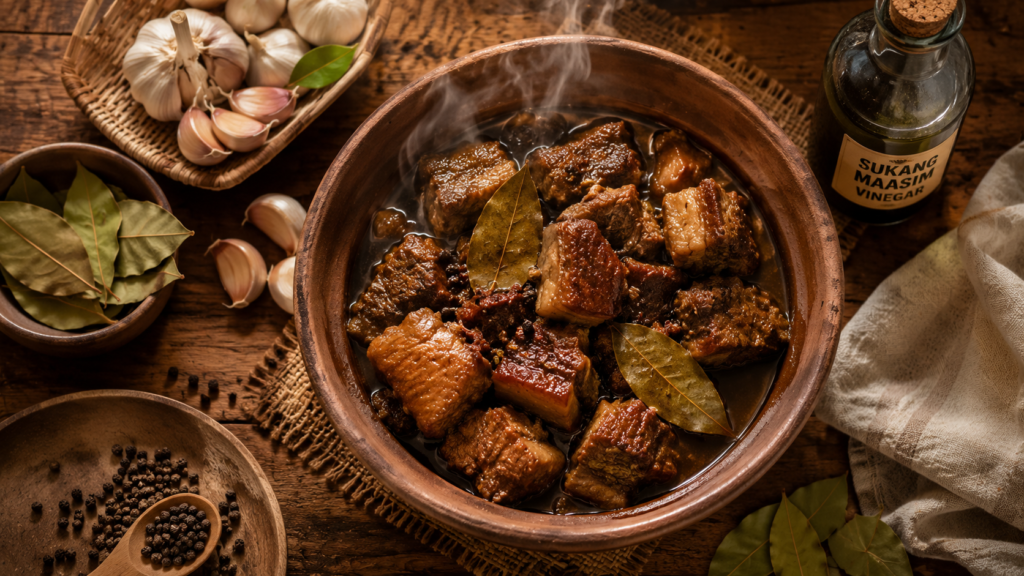
The significance of adobo goes beyond its ingredients; it serves as a testament to the adaptability and resourcefulness of Filipino cooking. Each region in the Philippines boasts its own unique take on adobo, with variations abundant across islands and communities. Particularly noteworthy is the Kapampangan version, renowned for its robust flavors and the use of local techniques that enhance its authenticity. The interplay of salty, sour, and sweet notes, depending on the region, emphasizes not just taste but also the cultural lineage behind each recipe.
As we delve deeper into the historical context of adobo, we will explore its evolution through pivotal years—1898, a period marked by colonization and the formation of national identity; 1978, when culinary styles began to reflect more contemporary tastes; and 2026, a future perspective that anticipates new trends and innovations in Filipino cuisine. Each of these eras illustrates how adobo has adapted, survived, and thrived, echoing the broader narrative of Philippine history. Such explorations enrich our understanding of not only adobo as a dish but the cultural significance it holds within Filipino society.
Adobo in 1898
The history of adobo in the Philippines reveals the dish’s evolution, particularly in the year 1898. During this period, traditional adobo was characterized by its simplicity, reflecting the ingredients readily available in Filipino households. Notably, soy sauce was not a part of the recipe; instead, the adobo relied heavily on vinegar as its primary source of flavor. The hallmark of this cooking style was the effective use of vinegar, which not only imparted a distinct sour taste but also acted as a preservative, essential in a tropical climate.
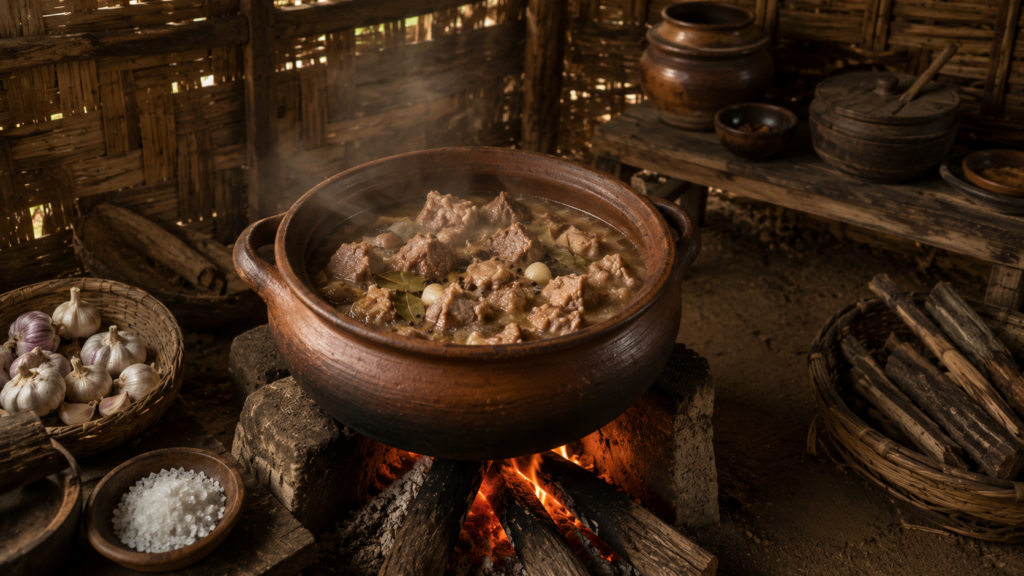
In 1898, common meats for adobo included pork and chicken, both of which were staples in Filipino cuisine. The choice of protein was often dictated by availability and local dietary customs. These meats were then paired with the essential ingredients of salt and garlic. The garlic provided aromatic depth, enhancing the overall flavor profile of the dish without overwhelming it. This reliance on local flavors and natural preservatives illustrates the rustic roots of adobo.
The cooking method also contributed to the unique character of adobo during this period. Traditionally, it was prepared in a clay pot known as a palayok, which offered distinct advantages such as even heat distribution and enhanced flavor retention. The meat would be combined with vinegar, garlic, and salt, then simmered slowly. This meticulous cooking process allowed the vinegar to penetrate the meat fully, resulting in a thin, sour broth. Unlike the thicker and often richer versions of adobo that may be familiar today, the 1898 variant was lighter yet profoundly flavorful, showcasing the essence of Filipino culinary heritage.
Adobo in 1978
In the year 1978, adobo underwent a significant transformation that reflected the changing culinary landscape of the Philippines. By this time, soy sauce had become a staple in many Filipino households, and its introduction into the adobo recipe notably altered both its flavor profile and visual appeal. The marriage of soy sauce with traditional ingredients such as vinegar, garlic, and bay leaves resulted in a thicker, brown sauce that brought forth a more savory and umami-rich experience.
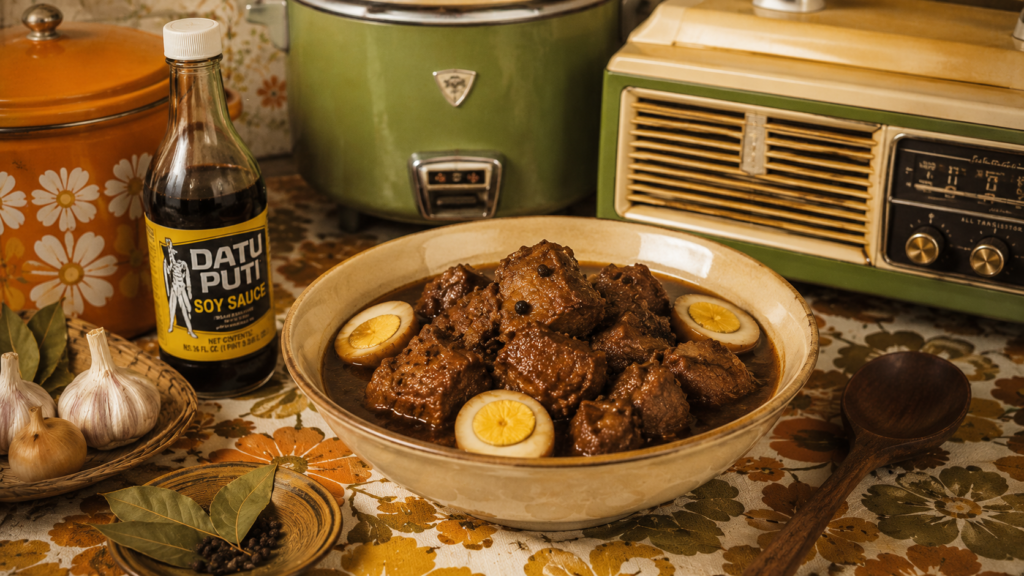
The post-war era witnessed an influx of ingredients that were once scarce, leading to a diversification in how adobo was prepared and served. No longer confined to the rustic kitchens of rural homes, adobo gained prominence in urban settings, symbolizing a bridge between tradition and modern culinary practices. With the availability of soy sauce and other condiments, families began to experiment, often personalizing the dish with regional variations and additional components such as potatoes or hard-boiled eggs.
Furthermore, this period marked a shift in consumption patterns, as adobo emerged as a convenient home staple that could easily serve multiple purposes. Whether enjoyed with steamed rice or incorporated into other dishes, adobo’s versatility ensured its place at dining tables across the Philippines. The evolution of adobo in 1978 was not just about an enhancement in taste but also reflected a broader narrative of Filipino resilience and adaptability in the face of changing times.
Adobo in 2026
As we explore adobo in 2026, the beloved Filipino dish continues to evolve amidst contemporary culinary trends. A significant shift toward health-conscious eating has paved the way for innovative, plant-based alternatives. Tofu and mushrooms have emerged as popular substitutes, allowing consumers to enjoy the rich, savory flavors of adobo while adhering to vegetarian and vegan diets. These ingredients not only provide a delicious texture but also offer nutritional benefits, making adobo more accessible to a wider audience.
The integration of modern cooking techniques is also influencing how adobo is prepared and enjoyed. The rise of air frying, for instance, has allowed chefs and home cooks alike to create a healthier version of this traditional dish without sacrificing taste or authenticity. This method reduces the need for excess oil, appealing to those eager to lead a more health-conscious lifestyle. As technology advances, the means of preparing adobo have become more diverse, bringing new possibilities to a dish steeped in history.
Furthermore, the popularization of fusion cuisine introduces exciting variations, highlighting unique ingredients such as coconut milk and coffee. These additions provide a new dimension to adobo, transforming the classic dish into innovative culinary experiences that reflect diverse cultural influences. As chefs experiment with flavors, the lines between traditional and contemporary recipes continue to blur.
The impact of artificial intelligence and food delivery services is also evident in the way adobo is consumed in 2026. AI-driven platforms recommend personalized recipes based on dietary preferences, enhancing the overall cooking experience. Additionally, the convenience of food delivery allows consumers to enjoy authentic adobo dishes from local restaurants at their fingertips, fostering a greater appreciation for this iconic dish.
Comparative Analysis of Adobo Through the Years
The evolution of Adobo reveals much about the cultural and societal dynamics shaping the Philippines throughout different historical periods. To better understand these changes, a detailed comparison is provided below, concentrating on significant attributes of Adobo in 1898, 1978, and the anticipated features in 2026.
| Features | 1898 | 1978 | 2026 |
|---|---|---|---|
| Texture | Tender, rustic | Soft, slightly chewy | Tender, innovative textures (fusion elements) |
| Aroma | Earthy, hint of smoke | Rich, savory | Complex, aromatic due to new spices |
| Flavor Profile | Sour and salty with natural herb flavors | Balanced with spices, sweeter undertones | Diverse, incorporation of global flavors |
| Cooking Method | Traditionally stewed over wood fire | Simmered, often in pressure cookers | Various techniques including sous-vide |
| Ideal Pairings | Rice, local vegetables | Steam rice, fried garlic | Specialty rices, artisanal bread |
In 1898, Adobo was characterized by its simplicity, influenced heavily by local ingredients and traditional cooking methods, reflective of a nation in transition amidst colonial challenges. As time progressed to 1978, the Philippines saw a significant surge in culinary experimentation, influenced by both local and global trends, which modified the flavor profile and cooking methods used. The contemporary Adobo of 2026 is expected to incorporate global influences, innovative techniques, and diverse flavor pairings, symbolizing a fusion of tradition and modern gastronomy.
Texture: A Yearly Journey
The texture of adobo, a beloved Filipino dish, has evolved significantly from 1898 to 2026, reflecting changes in culinary trends and preferences. In 1898, adobo was characterized by a thin consistency, largely due to the cooking methods and ingredients available at the time. This thinner texture was achieved by simmering the meat with vinegar, garlic, and soy sauce, allowing the sauce to penetrate the meat while leaving a light, flavorful broth. Diners in this era enjoyed a dish that offered a contrast between the tender meat and the liquid sauce, which provided a refreshing balance to the meal.
By 1978, the texture of adobo underwent a noticeable transformation. During this period, it became common for cooks to thicken the sauce, contributing to a richer and more robust eating experience. This thicker consistency was often achieved by reducing the sauce for an extended period, allowing the flavors to concentrate and the liquid to evaporate. The result was a heartier dish that could cling to vegetables or rice more effectively, appealing to the more substantial dining trends of the time. The thicker texture enhanced the satisfaction of each bite, offering a profound umami experience that resonated with contemporary palates.
Fast forward to 2026, adobo has seen an explosion of creativity, leading to various modern interpretations on its traditional roots. Texture now varies significantly, with options ranging from creamy, coconut-infused adobo to those enhanced with local spices, resulting in different thicknesses. Some versions prioritize a velvety, smooth sauce, while others retain a chunky texture, offering diverse sensory experiences. The modern cook enjoys experimenting with these textures, often influenced by fusion cooking and global culinary trends, which challenge the conventional forms of this classic dish. These variations allow for personalization, vastly enriching the overall enjoyment of eating adobo across generations.
Aroma: The Essence of Adobo
The aroma of adobo is one of the defining characteristics that sets this dish apart, encapsulating the essence of Philippine culinary tradition. The journey of adobo’s fragrance can be traced back to the colonial era in 1898, where simple ingredients like vinegar, garlic, and black pepper created a robust and tangy scent that permeated households. This foundational aroma was a reflection of resourcefulness, often featuring whatever was available and resonating with the local palate.
Fast forward to 1978, a significant shift occurred in the preparation of adobo with the introduction of soy sauce. This addition not only enhanced the flavor profile but also dramatically changed the aroma, adding a savory umami depth that enriched the initial tanginess. The combination of vinegar and soy sauce created a harmonious blend, appealing to a broader audience and evolving the traditional dish into a more robust version. The unique scent became associated with gatherings and celebrations, symbolizing a fusion of history and adaptation.
In contemporary preparations, the traditional aroma of adobo continues to evolve with the incorporation of innovative ingredients like coffee and coconut milk. These additions offer new scent experiences, infusing a familiar dish with notes that are both nostalgic and novel. The scent of brewed coffee infuses a rich aroma, while coconut milk introduces sweetness and creaminess, enriching the overall profile of adobo. This evolution highlights how aroma plays a pivotal role in cultural significance, as it evokes memories and emotions tied to heritage and family connections.
Thus, the aromatic journey of adobo reflects not only culinary trends but also the shifting cultural landscape of the Philippines, demonstrating how food can be a powerful communicator of history and identity.
Flavor Profile: A Taste of History
The flavor profile of adobo has evolved significantly from 1898 to 1978, and now into 2026, reflecting the historical context and culinary influences of each period. In 1898, the primary characteristic of adobo was its distinct sourness, derived from vinegar and a variety of local acidic ingredients. This sourness represented not just a flavor, but also a means of preservation during a time when refrigeration technologies were non-existent. This tartness signifies resilience and resourcefulness, as Filipinos adapted their cooking methods to their environment while also preserving cultural identity amidst colonial influences.
Fast forward to 1978, the flavor profile of adobo transformed into a more savory and complex dish. The inclusion of soy sauce, garlic, and spices created a deeper umami profile that complemented the sourness rather than overshadowed it. The savory depth added a richness that spoke to a post-colonial identity where Filipinos began to embrace and redefine their traditional dishes. The incorporation of localized ingredients and cooking techniques resulted in variations that celebrated regional identity, contributing to a collective sense of belonging within the Filipino community.
As we look ahead to 2026, adobo takes on innovative fusions as chefs experiment with contemporary ingredients and cooking methods. Culinary influences from various cultures increase the adaptability of adobo, leading to exciting new interpretations that still honor its heritage. The blending of flavors, such as introducing coconut milk or even vegan variations, showcases the evolution of Filipino cuisine while highlighting a modern food culture. This dynamic culinary landscape not only reflects personal and community identities but also encourages a dialogue about tradition and innovation.
The trajectory of adobo, from the tartness of 1898 through the savory complexity of 1978 to the creative fusions of 2026, mirrors the evolving Filipino identity. Each flavor profile contributes to an ongoing narrative, firmly intertwining food with culture and community.
Conclusion
The journey of adobo through the years—spanning from 1898 to 2026—encapsulates a rich narrative that reflects the heart and soul of the Filipino people and their culinary evolution. Initially born from the necessity of preserving food, adobo has grown to embody diversity through its regional variations, adapting to the changing landscapes of culinary preferences and cultural influences. Each era highlights not only the shifts in ingredients and preparation styles but also showcases Filipino resilience and creativity in the culinary arts.
Adobo serves not merely as a dish; it is a representation of heritage, tradition, and collective memory. The historical context surrounding its evolution provides insight into the broader societal transformations that the Philippines has undergone. In every bite of adobo, one can taste the infusion of history, culture, and a deep-seated sense of identity. Its ability to morph and adapt is a testament to the Filipino spirit, showcasing how food can unite generations and foster a sense of community.
As we explore the evolving flavors of adobo, we invite you, the reader, to embrace this journey in your own kitchen. Experiment with traditional recipes or put a modern twist on this classic dish, reflecting your personal experiences, tastes, and influences. Through cooking and enjoying adobo, you are not only cherishing a beloved Filipino staple but also participating in a living history that connects past, present, and future. The experience of making and sharing adobo can deepen your appreciation for Filipino culture and foster a greater understanding of the narratives embedded within this iconic dish.