Experience Halo-Halo, the Philippines’ iconic dessert. It means “mix-mix” in Tagalog. It’s loved by many Filipinos across all walks of life. You can find it almost everywhere in the country. This shows how popular and important it is in Filipino cuisine.
Halo-Halo mixes diverse cultures, including Japanese, Chinese, Spanish, and American influences. Over time, it has evolved into a delightful masterpiece. The traditional Halo-Halo had beans, ice, sugar, and milk. Today, it includes a wider variety of ingredients, making it unique and tempting.
The main parts of Halo-Halo are shaved ice, evaporated milk, and sugar or syrup. It also has special ingredients. These include sugar palm fruit, coconut sport, and candied jackfruit. Agar jellies, tapioca pearls, and leche flan add exciting flavors and textures.
Halo-Halo is like a Filipino sundae with its many toppings and flavors. It’s loved by both young and old. The unique touch is the ube ice cream on top. It adds a special flavor and a bright purple color.
Making Halo-Halo is about putting in effort and love. In the past, ingredients were homemade. Now, ready-made ingredients make it easier. Still, the tradition and importance of Halo-Halo in Filipino culture stays strong.
https://www.youtube.com/watch?v=7gwli5-Bjgg
Key Takeaways:
Halo-Halo is a beloved dessert in the Philippines, known for its sweet symphony of flavors and colorful textures.
It is a fusion dessert influenced by various cultures, making it a unique culinary creation.
The key ingredients of Halo-Halo are shaved ice, evaporated milk, and sugar or syrup.
The dessert offers a multitude of toppings and flavors, creating a refreshing and indulgent texture.
Halo-Halo holds a special place in Filipino food culture and is a must-try for anyone visiting the Philippines.
The Uniqueness of Halo-Halo
Halo-Halo stands out because it combines many flavors and toppings. This Filipino sundae differs from anything you’ve had. Imagine the cool sensation of shaved ice mixed with tasty ingredients. It’s like a flavor orchestra in one amazing dessert.
The key parts of Halo-Halo are shaved ice, evaporated milk, and various toppings. What makes it unique are the toppings. You’ll find sweet beans, coconut, fruits like jackfruit, and even flan. Each bite brings a blast of flavor and texture to remember.
Halo-Halo often gets topped with ube ice cream, which adds a unique taste and purple color. Ube ice cream comes from purple yam, beloved in Filipino foods. The mix of flavors and textures makes a dessert everyone loves.
Why is Halo-Halo Refreshing?
The refreshing feel of Halo-Halo is due to crushed ice and evaporated milk. The ice cools you down, and the milk makes it smooth. With its many toppings, it becomes a perfect treat for summer.
Colorful Presentation
Halo-Halo’s beauty also lies in its presentation. Served in a tall glass, each topping is beautifully layered. The bright colors make it as pretty as it is tasty.
If you want a sweet treat or to taste the Philippines, try Halo-Halo. Its unique toppings, cooling effect, and vibrant look offer a delightful experience.
The Making of Halo-Halo
Halo-halo is a labor of love in the Philippines. This traditional dessert reflects the country’s rich culinary history. It shows off Filipino food culture.
In earlier times, families made halo-halo from scratch. They used ingredients like sweet potato, leche flan, and ube halaya. Preparing each component required boiling, cooking, and careful crafting. It took time but led to an authentic, flavorful dessert.
Now, with the rise of convenience, pre-made halo-halo ingredients can be found in stores. This makes it easier for families to enjoy the dessert. They don’t need to spend a lot of time preparing it.
Yet, some people stick to the traditional way of making halo-halo. They pride themselves on using homemade ingredients. This commitment showcases the Filipino food culture’s deep-rooted traditions.
As times change, the way we make halo-halo does too. But this evolution emphasizes the value of traditional Filipino food culture. Making halo-halo from scratch connects us to our roots. It honors our ancestors and keeps Filipino culinary traditions alive.
To learn more about halo-halo’s history and importance, visit Wikipedia.
Conclusion
Halo-Halo is more than a simple treat; it’s a significant part of Filipino culture. Its bright flavors and textures make it a favorite for all ages. It reminds people of fun summers and local vendors.
This dessert showcases Filipino inventiveness in food. It combines different traditions, highlighting the Philippines’ diverse history. Halo-Halo symbolizes the country’s rich cultural tapestry.
As it gets known worldwide, Halo-Halo is a must for visitors to the Philippines. It offers an unparalleled taste experience. Each spoonful is memorable, making Halo-Halo a key part of Filipino cuisine.
FAQ
What is halo-halo?
Halo-Halo is a favorite dessert in the Philippines. It combines flavors and textures in a colorful mix. You’ll find it in many restaurants and cafés across the country. This treat is made from a mix of ingredients that taste amazing together.
Where did halo-halo originate?
Influenced by Japanese, Chinese, Spanish, and American cultures, halo-halo is a fusion dessert. Early versions were simple, with beans, ice, sugar, and milk. Now, it includes more ingredients, making the modern halo-halo we enjoy today.
What are the key ingredients in halo-halo?
Shaved ice, evaporated milk, and sugar or syrup are the base of halo-halo. It also has sugar palm fruit, coconut, jackfruit, and agar jellies. Tapioca pearls, nata de coco, caramelized sweet potato, sweetened beans, rice, and leche flan are common too.
How is halo-halo different from other desserts?
Halo-halo stands out with its many toppings and flavors. It’s like a Filipino version of a sundae but more colorful and intricate. The mix of shaved ice, milk, and various toppings makes it unique.
What makes halo-halo special?
The mix of flavors and textures makes halo-halo a special treat. Ingredients like beans, coconut, fruits, and jellies create a refreshing dessert. It’s often topped with ube ice cream for an extra pop of flavor and color.
What is the traditional method of making halo-halo?
Traditionally, halo-halo ingredients were homemade, taking time and effort. Sweet potato, leche flan, and ube halaya needed cooking to get right. Today, many ingredients are available in stores, making it easier to make halo-halo at home.
How does halo-halo reflect Filipino food culture?
Halo-Halo is a big part of Filipino food culture as a famous dessert. It’s a summer favorite for everyone. Gaining international fame, halo-halo stays an important Filipino dish to try.
The Philippines, nestled in the vibrant region of Southeast Asia, is a captivating country that enthralls visitors with its enchanting charm and unparalleled beauty. With a rich tapestry of history, diverse landscapes, and warm hospitality, the Philippines offers an enigmatic experience that is sure to leave an indelible mark on every traveler’s heart.
Brief Overview of the Philippines as a Southeast Asian Country
Spanning over 7,641 islands strewn across the western Pacific Ocean, the Philippines is an archipelagic nation renowned for its stunning natural wonders and cultural diversity. It is strategically located at the crossroads between East Asia and the Pacific Ocean, making it a melting pot of cultures and influences.
Home to more than 100 million people, the Philippines boasts three major island groups: Luzon in the north, Visayas in the central part, and Mindanao in the south. Each region has its own unique characteristics and attractions that make exploring this tropical paradise an endless adventure.
Highlighting the Enigmatic Nature of the Philippines
What sets the Philippines apart from other destinations is its enigmatic nature that captivates travelers from all walks of life. One can find solace in pristine beaches with crystal-clear turquoise waters like those found in Boracay or Palawan’s breathtaking El Nido. Alternatively, adventurers can seek thrills amid lush jungles or embark on exhilarating hikes up cascading waterfalls such as those found in Escala Tagaytay.
But it’s not just nature that makes this country enigmatic; it’s also its vibrant culture and warm-hearted people. The Filipinos’ innate hospitality creates an inviting atmosphere for travelers who are eager to immerse themselves in local traditions and customs.
From experiencing traditional festivals like Sinulog or Ati-Atihan to savoring delectable cuisine bursting with unique flavors, the Philippines offers an unparalleled glimpse into its fascinating cultural tapestry. Moreover, the Philippines is a treasure trove of historical landmarks and UNESCO World Heritage Sites that chronicle its intriguing past.
Wander through the stone walls of Intramuros, the old district of Manila, and be transported back to the Spanish colonial era. Or visit Corregidor Island, a living testament to the country’s resilience during World War II.
These sites provide a deeper understanding of the nation’s history and heritage. In essence, the enigmatic nature of the Philippines lies in its ability to cater to every traveler’s desires.
Whether you seek adventure or tranquility, history or cultural immersion, this captivating country offers an array of experiences that will undoubtedly create lifelong memories. So pack your bags and get ready to embark on a journey that will leave you spellbound—a journey through the enigmatic wonders of the Philippines.
Geographical Features:
Archipelago of 7,641 islands:
The Philippines is a mesmerizing archipelago composed of 7,641 islands scattered across the Western Pacific Ocean. These islands offer an unparalleled opportunity to explore diverse landscapes, captivating beaches, and vibrant cultures.
The three major island groups are Luzon, Visayas, and Mindanao. Each group boasts its own unique charm and attractions that cater to different interests and preferences.
Unique Geography Created by Volcanic Activity:
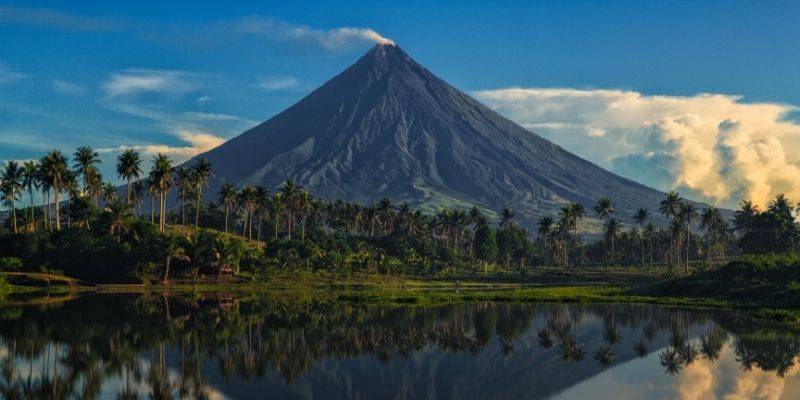
The Philippines is geographically shaped by its volcanic activity, resulting in spectacular landscapes that leave visitors in awe. One notable example is the world-famous Mayon Volcano situated in the province of Albay on the island of Luzon.
Known for its perfect cone shape, it stands majestically amidst lush greenery and offers breathtaking views from afar. Additionally, Taal Volcano located on an island within a lake near Manila presents a striking sight with its picturesque crater lake.
Biodiversity Hotspots and Stunning Natural Landscapes:
The Philippines holds an astonishing array of biodiversity hotspots and natural wonders that attract nature enthusiasts from around the world. Tubbataha Reefs Natural Park is a UNESCO World Heritage Site renowned for its marine wonders.
Located in the Sulu Sea, it boasts an extensive coral reef system teeming with vibrant marine life such as colorful fish species, sea turtles, sharks, and manta rays. Exploring these crystal-clear waters while diving or snorkeling offers an unforgettable experience.
Tubbataha Reefs Natural Park:
Discovering the Magnificent Tubbataha Reefs in the Philippines.
With its pristine coral reefs spanning over 97,000 hectares (240 acres), Tubbataha Reefs Natural Park showcases the captivating beauty of underwater ecosystems at their finest. Diving into its depths reveals a kaleidoscope of colors as you encounter schools of tropical fish, delicate coral formations, and even rare species like the hawksbill turtle and Napoleon wrasse. This protected marine area is a testament to the Philippines’ commitment to preserving its natural treasures.
Describing the Breathtaking Beauty of Chocolate Hills in Bohol:
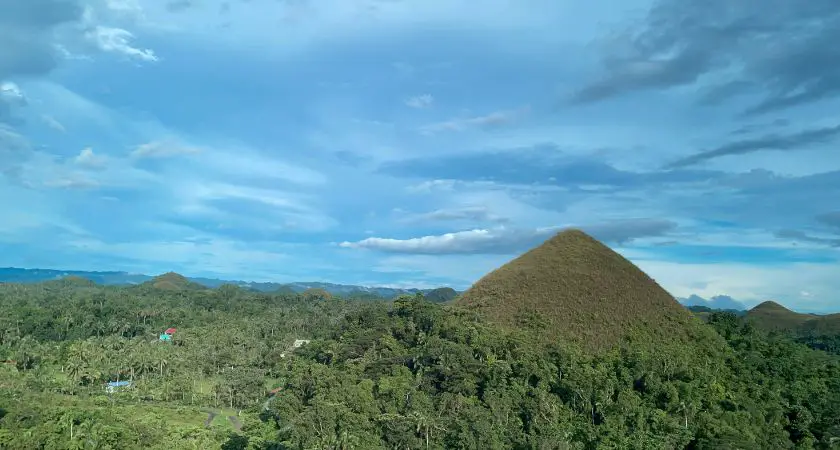
In the heart of Bohol province lies a geological marvel that captivates visitors with its otherworldly beauty – the Chocolate Hills. Spread across an area of more than 50 square kilometers, these conical-shaped hills are covered in lush green grass during the rainy season.
However, when summer arrives, they transform into a sea of chocolate-brown mounds, creating a surreal landscape that seems straight out of a fairytale. Climbing one of these hills provides panoramic views that will surely take your breath away.
Nature’s whimsy unfolds at the mesmerizing Chocolate Hills, where rolling eminences adorn the horizon, creating a surreal vista that captivates the senses and ignites the imagination.
Whether you’re exploring the archipelago’s major islands such as Luzon, Visayas, and Mindanao, or delving into its unique geography shaped by volcanic activity, the Philippines offers an abundance of geographical wonders to discover. From UNESCO World Heritage Sites like Tubbataha Reefs Natural Park and its mesmerizing marine life to the enchanting Chocolate Hills in Bohol with their ever-changing colors, this Southeast Asian gem truly embraces nature’s magnificence at every turn.
Cultural Melting Pot
The Philippines is a fascinating cultural melting pot, where diverse influences have shaped the country’s heritage. One of the most captivating aspects of Filipino culture is the presence of indigenous tribes with their rich traditions and customs. Among these tribes, the Igorots and Mangyans stand out for their unique cultural practices that have endured through generations.
Indigenous tribes and their rich heritage
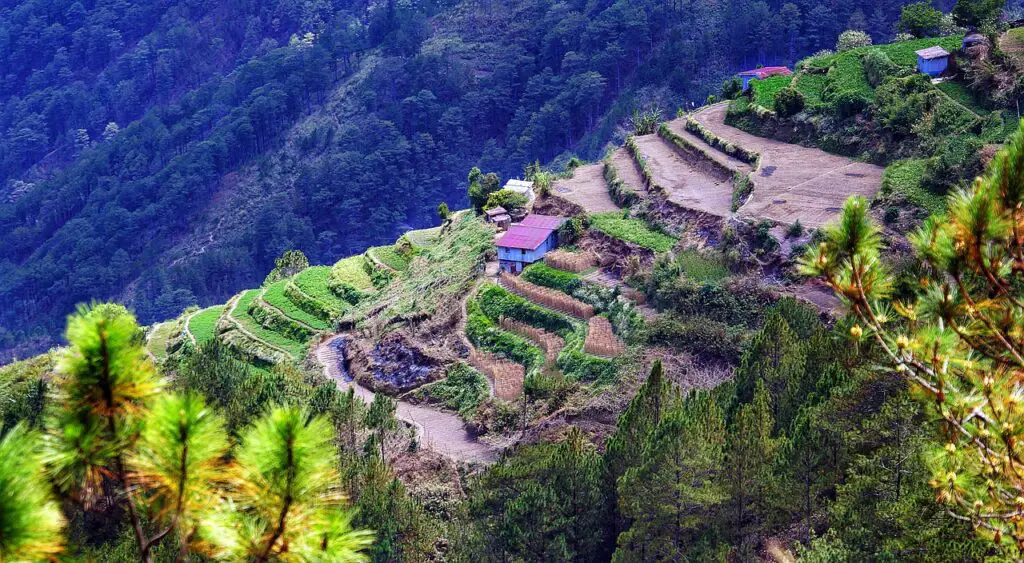
The Igorots, who primarily inhabit the mountainous region of Cordillera in Northern Luzon, possess a vibrant cultural heritage. Renowned for their agricultural practices and farming terraces, they have preserved age-old customs that reflect their intimate connection with nature.
Rituals such as “cañao,” a ceremonial feast to celebrate significant events like harvests or weddings, showcase their communal spirit and reverence for ancestral spirits. On the island of Mindoro in Southern Luzon, another indigenous group called the Mangyans thrives.
These indigenous peoples are known for their exceptional craftsmanship in creating intricate hand-woven textiles and distinctive pottery. Their traditional music instruments such as “kudyapi” (a guitar-like instrument) and “subing” (bamboo flute) produce mesmerizing tunes that accompany dances depicting mythical narratives.
The Majestic Rice Terraces of Ifugao, Philippines
Exploring the traditions and customs of tribes like Igorots and Mangyans
Delving deeper into these tribal cultures reveals a wealth of fascinating traditions and customs. The Igorots’ elaborate rituals include sacrificial ceremonies to appease deities or ancestral spirits believed to govern daily life events.
Meanwhile, engaging in ayahuasca rituals is an integral part of Mangyan culture—a spiritual experience where herbal concoctions induce trance-like states to communicate with supernatural entities. In addition to ceremonies, traditional clothing plays an essential role in preserving tribal identity.
Both Igorots and Mangyans showcase their distinctive textiles, handwoven with intricate patterns and vibrant colors. These fabrics serve as a visual representation of cultural pride and heritage, keeping ancient weaving techniques alive.
Discussing their unique art forms, music, and dances passed down through generations
The artistic expressions of the Igorots and Mangyans encompass a wide range of mediums, from woodcarving to pottery. Intricate carvings depict ancestral spirits or mythical creatures, intricately adorning everyday objects and ceremonial pieces.
The Mangyans’ pottery showcases their exceptional craftsmanship with various decorative motifs inspired by nature. Music and dance form an integral part of tribal life.
Traditional musical instruments like the Igorots’ gong ensemble known as “gangsa” or the Mangyans’ bamboo instruments produce captivating melodies that accompany lively performances. Dances infused with graceful movements narrate stories of heroism, courtship rituals, or even mimic natural elements such as birds in flight or undulating waves.
Spanish colonial influence
The Spanish colonial rule spanning over three centuries has left an indelible mark on Philippine culture and this period introduced a fusion of Hispanic influences alongside indigenous traditions, resulting in a distinct Filipino identity that still resonates today.
Tracing back to more than three centuries of Spanish rule
The arrival of Spanish explorers in the 16th century marked the beginning of profound changes in Philippine society. The Spanish colonizers brought Catholicism to the archipelago, which became deeply embedded in Filipino culture.
Today, Catholicism remains a cornerstone of faith for many Filipinos reflected in religious practices like festivals honoring patron saints. In addition to religion, Spanish influence extended to governance systems and language.
The legal framework and administrative structures introduced by Spain continue to shape modern-day Philippine institutions. Moreover, the Spanish language has left an indelible impact on Filipino vocabulary, with many Spanish loanwords seamlessly integrated into everyday conversations.
Highlighting architectural gems like Intramuros in Manila
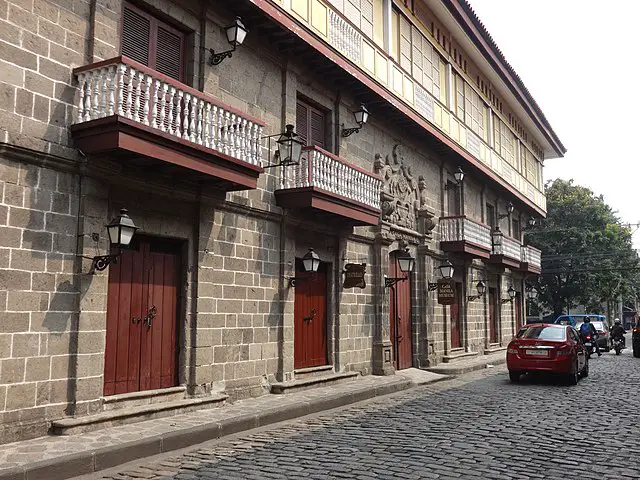
The legacy of Spanish colonial rule can be seen in the Philippines’ architectural heritage, particularly in iconic structures like Intramuros. Located in Manila, Intramuros is a beautifully preserved walled city that served as the seat of power during Spanish colonization.
Its cobblestone streets and well-preserved buildings evoke a sense of history and offer a glimpse into the country’s colonial past. Within Intramuros, notable landmarks such as Fort Santiago stand as testaments to the Spanish era.
Exploring history: Intramuros, a historical landmark in Manila.
Fort Santiago served various purposes throughout history—from being a defensive fortress to becoming a prison during World War II. Today, it stands proudly as a historical site where visitors can explore its dungeons and learn about its significance in shaping Philippine history.
The cultural melting pot created by indigenous tribes and the enduring impact of Spanish colonialism has given rise to an intriguing tapestry of traditions and influences that define the Philippines today. Exploring these facets provides invaluable insights into the country’s enigmatic nature and its vibrant cultural landscape.
Unraveling History & Heritage Sites
Historical landmarks that shaped Philippine history
The Philippines is a treasure trove of historical landmarks that bear witness to its rich and diverse history. One such landmark is Fort Santiago, located in the heart of Manila. Built during the Spanish colonial period, Fort Santiago played a pivotal role in the colonization of the Philippines.
It served as a military stronghold, protecting the city against both local uprisings and foreign invasions. Exploring its fortified walls, visitors can delve into the past and imagine the lives of Spanish soldiers who once roamed these grounds.
Exploring Fort Santiago’s role during Spanish colonization
Fort Santiago was not only a military stronghold but also served as a prison for political prisoners during Spanish rule. It was within these walls that one of the country’s national heroes, Jose Rizal, was incarcerated before his execution in 1896.
Today, visitors can visit Rizal’s cell and reflect upon his sacrifices for Philippine independence. The fort’s well-preserved architecture gives visitors a glimpse into Manila’s colonial past, with its arched gateways and old cannons that stand as silent witnesses to centuries gone by.
Detailing Corregidor Island’s significance during World War II
Corregidor Island emerged as another significant historical site during World War II. Located at the entrance of Manila Bay, this island fortress played a crucial role in defending against Japanese forces during the war.
Known as “The Rock,” Corregidor became synonymous with the bravery and resilience exhibited by Filipino and American soldiers who fought valiantly against overwhelming odds. Today, visitors can explore this living museum filled with wartime relics such as secret tunnels, gun emplacements, and even remnants of bombed buildings—a stark reminder of the island’s turbulent past.
Unesco World Heritage Sites
The Philippines boasts several UNESCO World Heritage Sites that showcase its unique cultural and natural heritage. One such site is the majestic rice terraces in Ifugao province, carved into the mountainsides by indigenous people over 2,000 years ago. These terraces are not only a remarkable engineering feat but also a testament to the harmony between man and nature, as they sustainably cultivate rice within a breathtaking landscape.
Highlighting the majestic rice terraces in Ifugao province
The Ifugao Rice Terraces, often referred to as the “Eighth Wonder of the World,” stretch like giant stairways cascading down the mountainsides. They form a complex irrigation system that demonstrates the ancestral knowledge and engineering skills of the Ifugao people. Visitors can trek through these terraces, immersing themselves in the beauty of nature while gaining an appreciation for this ancient agricultural marvel.
Vigan City, located in Ilocos Sur province, showcases some of the best-preserved Spanish colonial architecture in Asia. This charming city takes visitors back to centuries past with its cobblestone streets and well-preserved ancestral houses known as “Bahay na Bato.” These houses feature a fusion of Spanish and Filipino architectural styles—high ceilings, expansive windows with capiz shell panels, and intricate wooden carvings. Walking through Vigan’s historic streets feels like stepping into a different era—a true living testament to Philippine history.
: These historical landmarks and UNESCO World Heritage Sites reveal just a fraction of what awaits travelers who seek to uncover the enigmatic Philippines.
From Fort Santiago’s role during Spanish colonization to Corregidor Island’s significance during World War II, each site tells a story of courage and resilience. Meanwhile, sites like Ifugao’s rice terraces and Vigan City showcase both the natural and architectural wonders of the country.
Escala Tagaytay, where you can relax in serene surroundings, is also a testament to the diverse offerings that the Philippines has to offer. Embark on a journey through time and immerse yourself in the rich history and cultural heritage of this fascinating Southeast Asian nation.
Diverse Flavors & Culinary Delights
Filipino cuisine: a fusion of flavors
Filipino cuisine is a delightful blend of influences from various cultures that have shaped the Philippines throughout its history. With traces of Malay, Spanish, Chinese, and American flavors, Filipino food offers a diverse and unique culinary experience. One iconic dish that exemplifies this fusion is adobo.
Made with meat (commonly chicken or pork), soy sauce, vinegar, garlic, and spices, adobo showcases the Spanish influence on Filipino cuisine while incorporating native ingredients and cooking techniques. Another delicious example is pancit, a stir-fried noodle dish with Chinese origins that has been adapted to suit Filipino tastes by adding local ingredients such as calamansi (a tangy citrus fruit) and fish sauce.
In addition to savory dishes, the Philippines also boasts an array of mouthwatering desserts. One popular treat is halo-halo, which means “mixed together” in Tagalog.
This refreshing dessert features crushed ice topped with various sweet ingredients like colorful jellies, sweet beans, fruits, leche flan (caramel custard), ube (purple yam) ice cream, and evaporated milk. The combination may sound unusual but trust me when I say it’s an explosion of flavors in every spoonful!
Conclusion
The Philippines truly captivates with its enigmatic charm—a country blessed with stunning natural landscapes like the Tubbataha Reefs Natural Park and captivating cultural diversity among indigenous tribes. As you explore its geographically unique islands like Luzon, Visayas, and Mindanao or immerse yourself in historical landmarks such as Fort Santiago or Corregidor Island, you will discover a country deeply rooted in heritage. Moreover, the culinary delights offered by Filipino cuisine are nothing short of extraordinary. The combination of Malay, Spanish, and Chinese influences creates a harmonious symphony of flavors that will leave your taste buds wanting more.
From iconic dishes like adobo to mouthwatering desserts like halo-halo, the Philippines offers a culinary adventure unlike any other. So, whether you’re planning a visit or simply want to delve into the wonders of this intriguing Southeast Asian nation through its cuisine, be prepared to embark on an unforgettable journey of flavors and experiences.
The Philippines awaits with open arms and a vibrant tapestry of sights, sounds, and tastes that will leave you yearning for more. Remember, when in the Philippines, make sure to experience luxury at its finest by staying at Escala Tagaytay—an exquisite retreat nestled amidst the breathtaking landscapes of Tagaytay City.