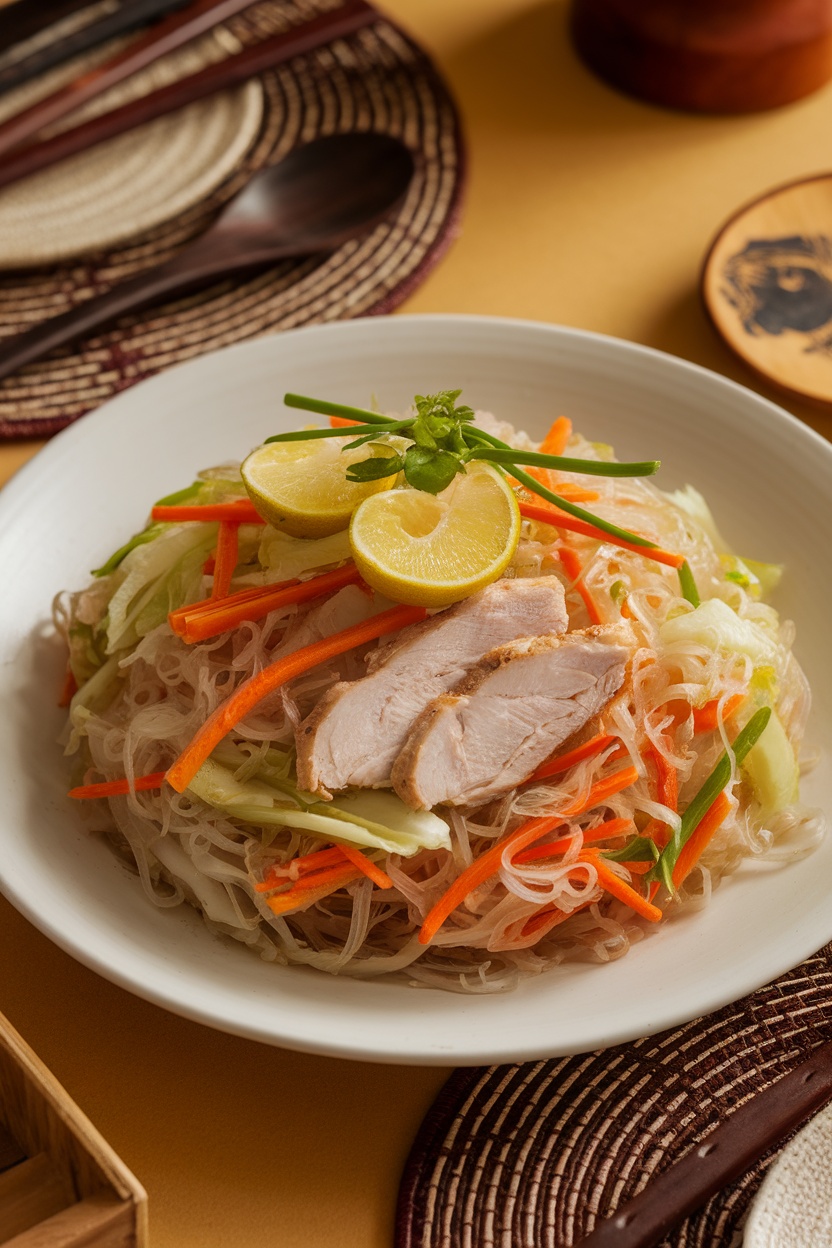
Author Archives: mytourguide.ph

About mytourguide.ph

Author

Hotdog Cheese Bun Overload – The Ultimate Snack!

Prep Time: 10 mins | Cook Time: 10 mins | Total Time: 20 mins | Servings: 4


🛒 Ingredients

✔️ 4 hotdog buns
✔️ 4 jumbo red hotdogs (Filipino-style)
✔️ 1 cup shredded quick-melt cheese
✔️ 4 lettuce leaves
✔️ ¼ cup mayonnaise
✔️ ¼ cup banana ketchup
✔️ 2 tbsp butter (for toasting)
✔️ 1 tsp sugar (optional, for a sweet-savory touch)


🔥 Directions

Step 1: Cook the Hotdogs

1️⃣ In a pan over medium heat, fry the hotdogs until slightly charred, about 5 minutes. You can also grill them for extra smoky flavor.

Step 2: Toast the Buns

2️⃣ Spread butter inside the hotdog buns and toast them in a pan until golden brown.

Step 3: Assemble the Overload Bun

3️⃣ Spread a layer of mayonnaise and banana ketchup inside each bun.
4️⃣ Place a lettuce leaf inside each bun, followed by the hotdog.
5️⃣ Generously top with shredded cheese. Keeping it shredded adds a rich, creamy bite.

Step 4: Serve & Enjoy!

6️⃣ Serve immediately while the cheese is fresh and the buns are still warm!


🔎 Tips for the Best Hotdog Cheese Bun Overload

✔️ Use jumbo or premium red hotdogs for that signature Filipino taste.
✔️ Toast the buns with butter for extra flavor and crunch.
✔️ Lettuce adds a fresh bite that balances the richness of the cheese and hotdog.
✔️ Go all out with toppings! Try adding crispy fried onions or pickle relish for an extra kick.


🍽️ What to Pair with Hotdog Cheese Bun Overload

This overloaded hotdog bun is perfect with Pritong Kamote Fries for a crunchy side or Sago’t Gulaman for a refreshing drink.


🛒 Best Ingredient Brands to Use

✔️ Hotdog: Tender Juicy or King Sue for the juiciest, most flavorful hotdogs
✔️ Cheese: Eden or Che-Vital for that creamy, slightly salty shredded goodness
✔️ Buns: Gardenia Hotdog Buns for the perfect soft and fluffy texture
✔️ Banana Ketchup: UFC or Papa for that authentic Pinoy sweet-savory taste
✔️ Mayonnaise: Lady’s Choice for the creamiest, best-tasting mayo


📜 The Story Behind Hotdog Cheese Bun Overload

Hotdog sandwiches are a Filipino street food favorite, often sold in food stalls outside schools, parks, and busy streets. The combination of sweet banana ketchup, creamy mayo, and shredded cheese gives it that distinct Pinoy flavor—a mix of sweet, savory, and tangy goodness. Lettuce adds a fresh crunch, balancing the richness of the loaded toppings. This version is inspired by the overloaded hotdogs found in Manila’s night markets and street carts, where more cheese means more happiness!

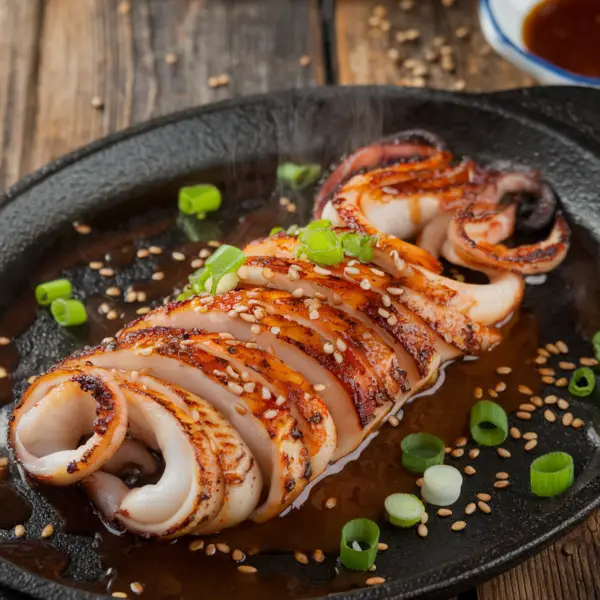
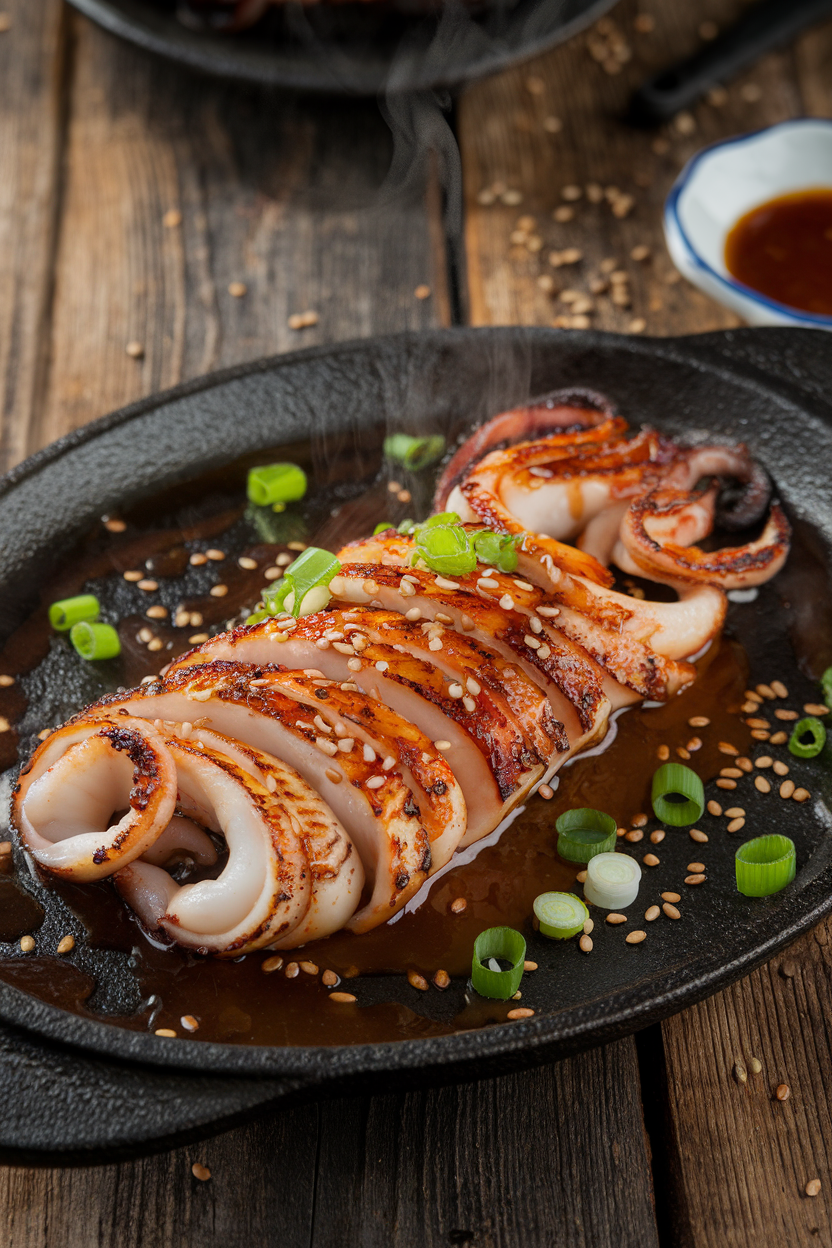
Sizzling Teriyaki Squid – Sweet, Savory, and Smoky!

📌 Prep Time: 15 mins | Cook Time: 10 mins | Total Time: 25 mins | Servings: 4


🛒 Ingredients:

For the Squid:

✔️ 2 large squid, cleaned and scored
✔️ 1 tbsp calamansi or lemon juice
✔️ ½ tsp salt
✔️ ¼ tsp black pepper
✔️ 1 tbsp cooking oil

For the Teriyaki Sauce:

✔️ 3 tbsp soy sauce
✔️ 2 tbsp mirin (or substitute with honey + vinegar)
✔️ 1 tbsp brown sugar
✔️ 1 tbsp oyster sauce
✔️ 1 tbsp grated ginger
✔️ 2 cloves garlic, minced
✔️ 1 tsp cornstarch dissolved in 2 tbsp water

For Garnish:

✔️ 1 tbsp toasted sesame seeds
✔️ 2 stalks green onions, sliced


🔥 Directions:

Step 1: Prepare the Squid

1️⃣ Clean the squid thoroughly, removing the beak and inner cartilage. Score the body lightly to allow the flavors to absorb.
2️⃣ Marinate with calamansi juice, salt, and pepper for 10 minutes.

Step 2: Make the Teriyaki Sauce

3️⃣ In a saucepan, combine soy sauce, mirin, brown sugar, oyster sauce, ginger, and garlic over low heat.
4️⃣ Simmer for 3–4 minutes until slightly thickened.
5️⃣ Stir in the cornstarch slurry and cook until the sauce becomes glossy. Set aside.

Step 3: Grill or Sear the Squid

6️⃣ Heat cooking oil in a grill pan or skillet over medium-high heat.
7️⃣ Sear the squid for 1–2 minutes per side until lightly charred and tender. (Do not overcook to avoid toughness.)

Step 4: Sizzle & Serve

8️⃣ Heat a sizzling plate and brush lightly with oil.
9️⃣ Place the grilled squid on the hot plate and drizzle with the teriyaki sauce.
🔟 Garnish with sesame seeds and green onions.

🔥 Serve immediately while sizzling hot!


🔎 Tips for Perfect Sizzling Teriyaki Squid

✔️ Don’t overcook the squid—it only needs 1-2 minutes per side to stay tender.
✔️ For deeper flavor, let the squid marinate for 30 minutes before cooking.
✔️ Want more caramelization? Brush some extra teriyaki sauce while grilling.
✔️ Use a sizzling plate for that restaurant-style presentation!


🍽️ What to Pair with Sizzling Teriyaki Squid

This dish pairs well with Chop Suey—the fresh, crunchy vegetables complement the sweet and savory teriyaki sauce perfectly.


🛒 Best Ingredient Brands to Use

✔️ Soy Sauce: Kikkoman or Silver Swan for authentic umami.
✔️ Oyster Sauce: Lee Kum Kee for a rich, savory depth.
✔️ Mirin Substitute: Use honey + apple cider vinegar for a close match.


📜 The Story Behind Sizzling Teriyaki Squid

Sizzling Teriyaki Squid combines Japanese teriyaki flavors with the Filipino sizzling plate experience. This dish is a street food favorite in the Philippines, often served in seaside restaurants and dampa-style eateries. The balance of sweet, salty, and smoky flavors makes it an irresistible seafood dish for any occasion.

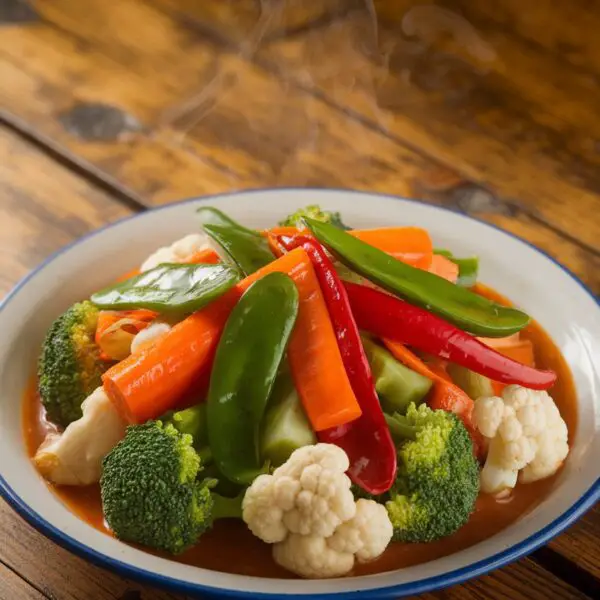
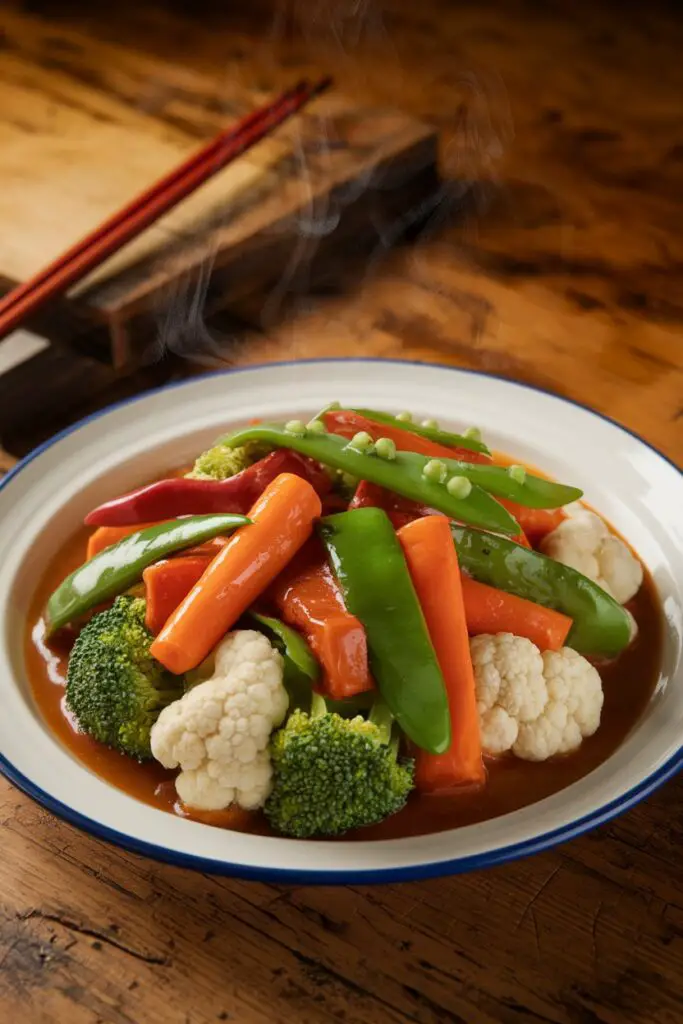
Chop Suey – Colorful, Nutritious, and Delicious!

📌 Prep Time: 15 mins | Cook Time: 20 mins | Total Time: 35 mins | Servings: 4

🛒 Ingredients:

Vegetables:

✔️ 1 cup cauliflower, cut into florets
✔️ 1 cup broccoli, cut into florets
✔️ 1 medium carrot, sliced diagonally
✔️ 1 red bell pepper, sliced into strips
✔️ 1 green bell pepper, sliced into strips
✔️ 1 cup young corn, sliced
✔️ 1 cup snow peas (chicharo)
✔️ 1 cup cabbage, roughly chopped

Protein (Choose One or Combine):

✔️ 200g chicken breast, sliced thinly
✔️ 200g pork, sliced thinly
✔️ 200g shrimp, peeled and deveined
✔️ 100g liver, sliced thinly (optional)

Sauce & Seasoning:

✔️ 3 cloves garlic, minced
✔️ 1 small onion, sliced
✔️ 1 ½ tbsp soy sauce
✔️ 1 tbsp oyster sauce
✔️ 1 ½ cups chicken broth or water
✔️ 1 tbsp cornstarch dissolved in 3 tbsp water (for thickening)
✔️ ½ tsp salt
✔️ ½ tsp ground black pepper
✔️ 1 tbsp cooking oil


🔥 Directions:

Step 1: Sauté the Aromatics

1️⃣ Heat oil in a wok or large pan over medium heat.
2️⃣ Sauté garlic and onion until fragrant.

Step 2: Cook the Protein

3️⃣ Add the chicken, pork, or liver and cook until lightly browned.
4️⃣ If using shrimp, add it last and cook until pink (about 2 minutes).

Step 3: Add Vegetables & Sauce

5️⃣ Pour in chicken broth, soy sauce, and oyster sauce. Stir well.
6️⃣ Add carrots, young corn, and cauliflower. Cover and cook for 3 minutes.
7️⃣ Add broccoli, bell peppers, and snow peas. Cook for another 3 minutes.
8️⃣ Stir in cabbage and let it cook for 1 minute.

Step 4: Thicken & Serve

9️⃣ Pour in the cornstarch slurry and mix until the sauce thickens.
🔟 Season with salt & pepper to taste.

🔥 Serve hot with steamed rice!


🔎 Tips for the Best Chop Suey

✔️ Use high heat when stir-frying to keep the vegetables crisp and vibrant.
✔️ Add the vegetables in stages, starting with the firmest ones to ensure even cooking.
✔️ Don’t overcook the cabbage—it should still have a slight crunch.
✔️ For extra umami, add a few drops of sesame oil before serving.


🍽️ What to Pair with Chop Suey

Chop Suey pairs well with Pritong Galunggong—the crispiness of the fried fish contrasts beautifully with the saucy vegetables.


🛒 Best Ingredient Brands to Use

✔️ Oyster Sauce: Try Lee Kum Kee for an authentic, rich umami flavor.
✔️ Soy Sauce: Silver Swan or Marca Piña for the perfect balance of saltiness.
✔️ Cornstarch: Argo or Kingsford for smooth thickening.


📜 The Story Behind Chop Suey

Chop Suey is a stir-fried vegetable dish with Chinese origins that became a Filipino household favorite. With its colorful mix of vegetables and choice of protein, it’s a healthy, budget-friendly meal perfect for busy days. Whether enjoyed with steamed rice or as a side dish, its savory, umami-packed sauce makes every bite satisfying.

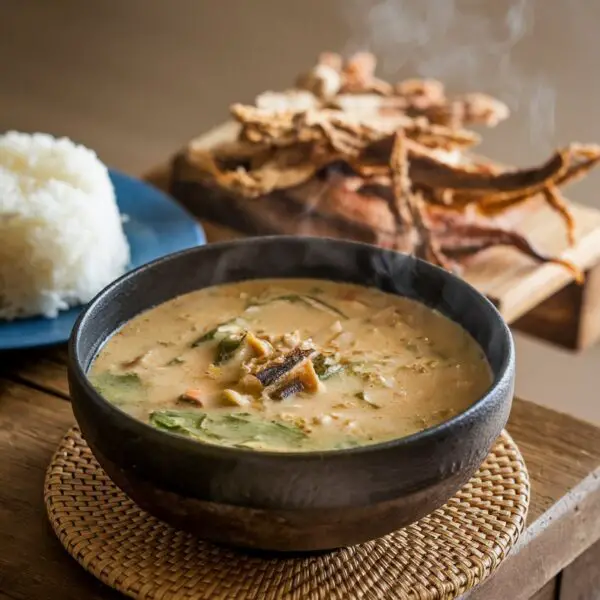
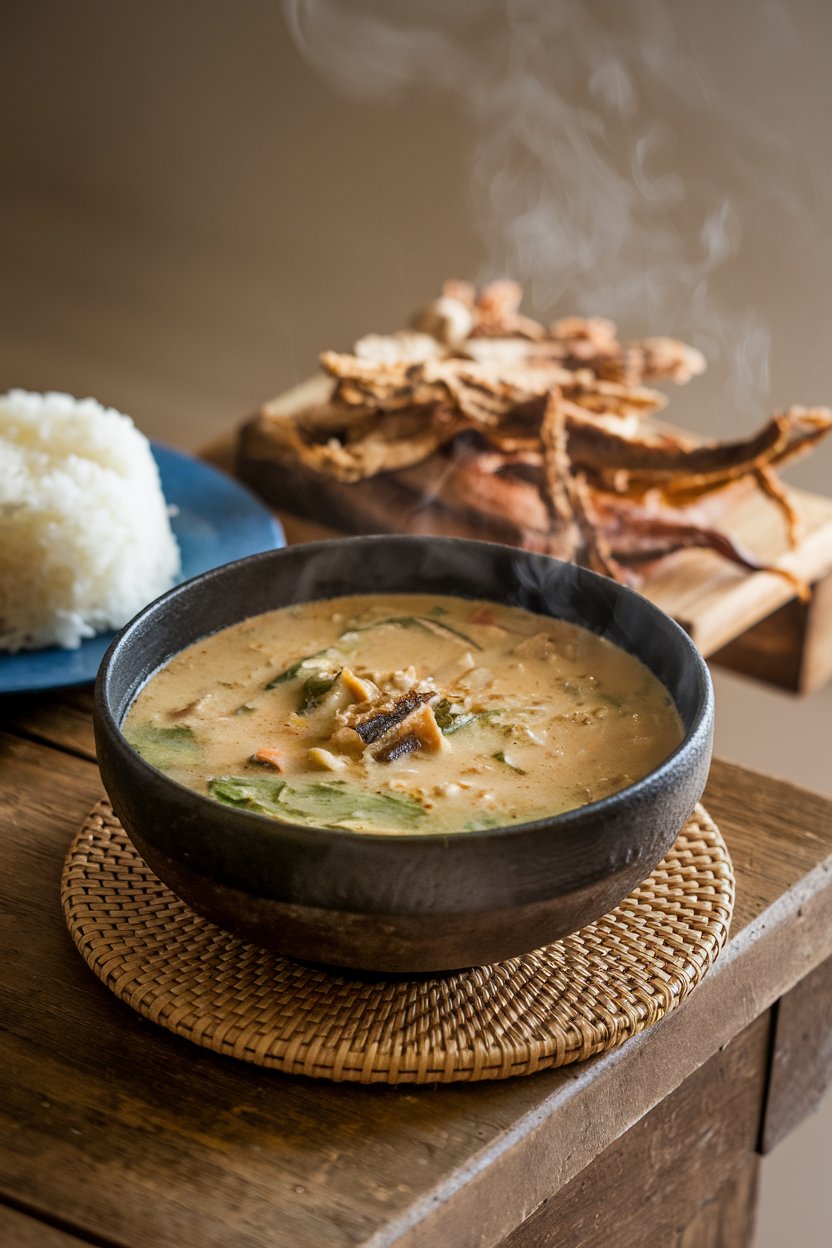
Ginataang Monggo – Creamy & Nutritious Filipino Comfort Food

📌 Prep Time: 10 mins | Cook Time: 40 mins | Total Time: 50 mins | Servings: 4


🛒 Ingredients

✔️ 1 cup mung beans (monggo)
✔️ 4 cups water
✔️ 1 tbsp cooking oil
✔️ 3 cloves garlic (minced)
✔️ 1 small onion (chopped)
✔️ 1 medium tomato (diced)
✔️ 1 ½ cups coconut milk (gata)
✔️ 1 cup malunggay leaves (or spinach as an alternative)
✔️ ½ tsp salt (adjust to taste)
✔️ ¼ tsp black pepper
✔️ 1 tbsp fish sauce (optional, for extra umami)


🔥 Directions

Step 1: Toast & Cook the Monggo

1️⃣ Rinse mung beans thoroughly under running water.
2️⃣ In a dry pan over medium heat, toast the mung beans for 3-5 minutes until fragrant and lightly browned.
3️⃣ Transfer to a pot, add water, and bring to a boil. Simmer for 30 minutes or until the beans are soft. Mash lightly with a spoon for a thicker consistency.

Step 2: Sauté the Aromatics

4️⃣ In another pan, heat cooking oil over medium heat.
5️⃣ Sauté garlic until golden brown, then add onions and tomatoes. Cook until softened and fragrant.

Step 3: Combine & Simmer

6️⃣ Pour the sautéed mixture into the pot with the softened mung beans. Stir well.
7️⃣ Add coconut milk and simmer for another 5 minutes.
8️⃣ Season with salt, black pepper, and fish sauce (if using). Stir to combine.

Step 4: Add Greens & Serve

9️⃣ Stir in malunggay leaves and let it cook for another 2 minutes.
🔟 Turn off the heat and let it rest for a few minutes before serving.

🔥 Serve hot with steamed rice and enjoy this comforting, nutritious dish!


🔎 Tips for the Best Ginataang Monggo

✔️ Toast the mung beans – This enhances their nutty flavor.
✔️ Adjust consistency – Mash some of the beans for a creamier texture or leave them whole for a soupier consistency.
✔️ Use fresh coconut milk – If available, fresh gata provides the richest flavor.
✔️ Make it heartier – Add sliced shrimp, fried dried fish, or pork bits for extra protein.


🍽️ What to Pair with Ginataang Monggo

Ginataang Monggo pairs well with Tortang Talong! The smoky, egg-battered eggplant balances the creamy texture of the monggo dish. Want to try it? Check out the Tortang Talong recipe!


🛒 Best Ingredient Brands to Use

✔️ Coconut Milk: Use high-quality canned coconut milk or fresh gata for the best flavor.
✔️ Mung Beans: Choose clean, unpolished mung beans for better texture and taste.
✔️ Fish Sauce: A splash of premium fish sauce enhances the umami flavor.


📜 The Story Behind Ginataang Monggo

Ginataang Monggo is a comforting Filipino dish that blends the nutty taste of mung beans with the rich, creamy texture of coconut milk. It is a staple in many households, often enjoyed during rainy days or as a nutritious everyday meal. Some versions add shrimp, dried fish, or even pork for extra depth of flavor.

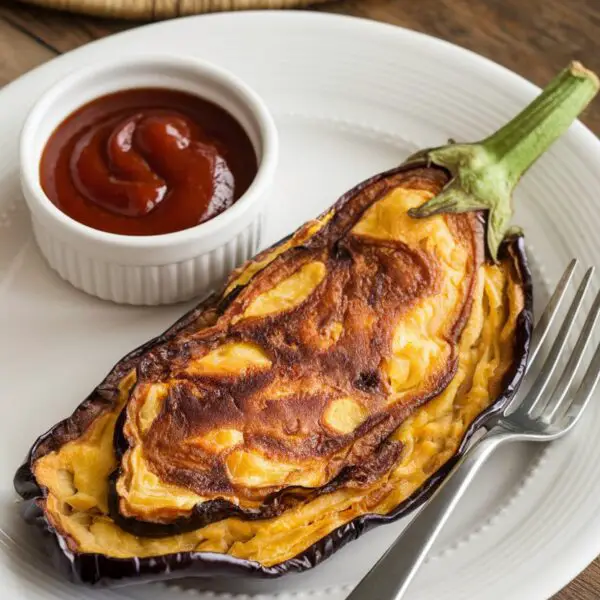
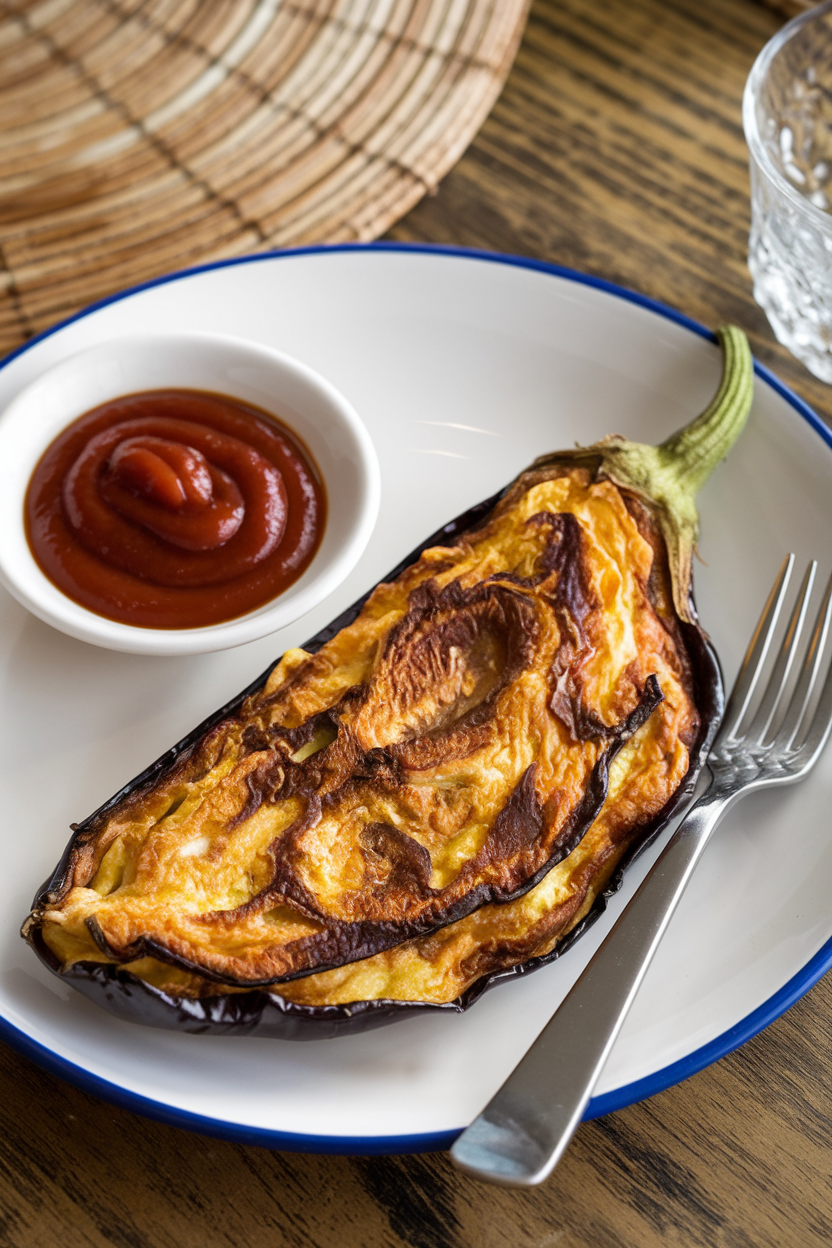
Tortang Talong (Filipino Eggplant Omelet) Recipe

📌 Prep Time: 10 mins | Cook Time: 20 mins | Total Time: 30 mins | Servings: 2

Ingredients

  • 2 large eggplants (talong) – Choose firm, deep purple ones for best results.
  • 2 large eggs – Preferably free-range for a richer taste.
  • ½ tsp salt – Adjust to taste.
  • ¼ tsp black pepper – Freshly ground for better aroma.
  • ½ tsp garlic powder (optional) – Adds depth of flavor.
  • ¼ cup cooking oil – Golden Fiesta or Baguio Oil work well for frying.

Directions

Step 1: Grill the Eggplants

  • Using an open flame or stovetop burner, roast the eggplants until the skin is charred and soft, turning occasionally for even cooking.
  • Once done, let them cool slightly, then peel off the blackened skin while keeping the stem intact.
  • Flatten each eggplant with a fork, spreading it out into an oval shape.

Step 2: Prepare the Egg Mixture

  • In a bowl, beat the eggs with salt, black pepper, and garlic powder (if using).
  • Dip the flattened eggplants into the beaten eggs, ensuring they are well-coated.

Step 3: Fry the Tortang Talong

  • Heat oil in a pan over medium heat.
  • Carefully place one coated eggplant in the pan, pouring a little extra beaten egg on top.
  • Fry for 2-3 minutes per side or until golden brown and crispy on the edges.
  • Repeat for the second eggplant.

Step 4: Serve and Enjoy!

  • Drain excess oil on paper towels. Serve hot with banana ketchup or spicy vinegar.

What to Pair with Tortang Talong

For a complete meal, pair Tortang Talong with Ginataang Monggo (mung bean stew with coconut milk). The creamy, slightly nutty flavors of the monggo dish perfectly balance the smoky, crispy texture of the eggplant omelet.

Best Ingredient Brands to Use

✔️ Eggs: Use fresh, high-quality eggs for a richer taste.
✔️ Cooking Oil: Choose a neutral oil for frying like Golden Fiesta or Baguio Oil.
✔️ Salt & Pepper: Freshly ground black pepper enhances the flavor.
✔️ Banana Ketchup: Use Jufran or UFC for an authentic Filipino touch.

The History of Tortang Talong

Tortang Talong is a staple in Filipino households, often served as a budget-friendly yet delicious meal. The dish’s origins are rooted in traditional Filipino cooking, where eggplant is commonly used due to its availability and versatility. It’s believed to have evolved from Spanish-influenced omelets but has retained a unique Pinoy twist with its smoky eggplant base.

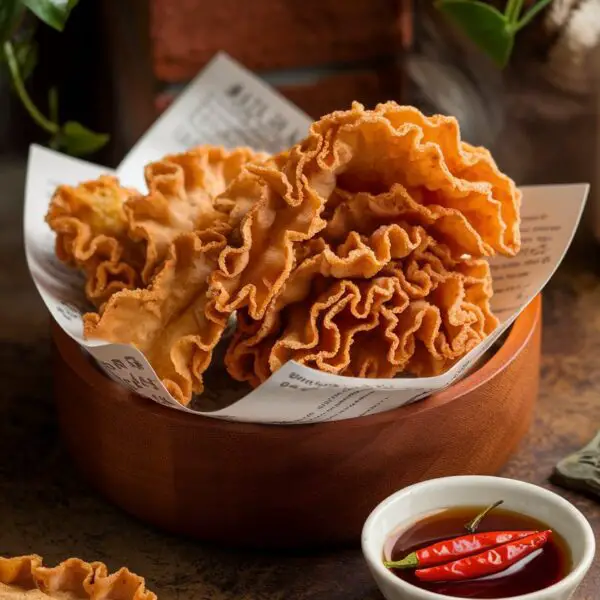
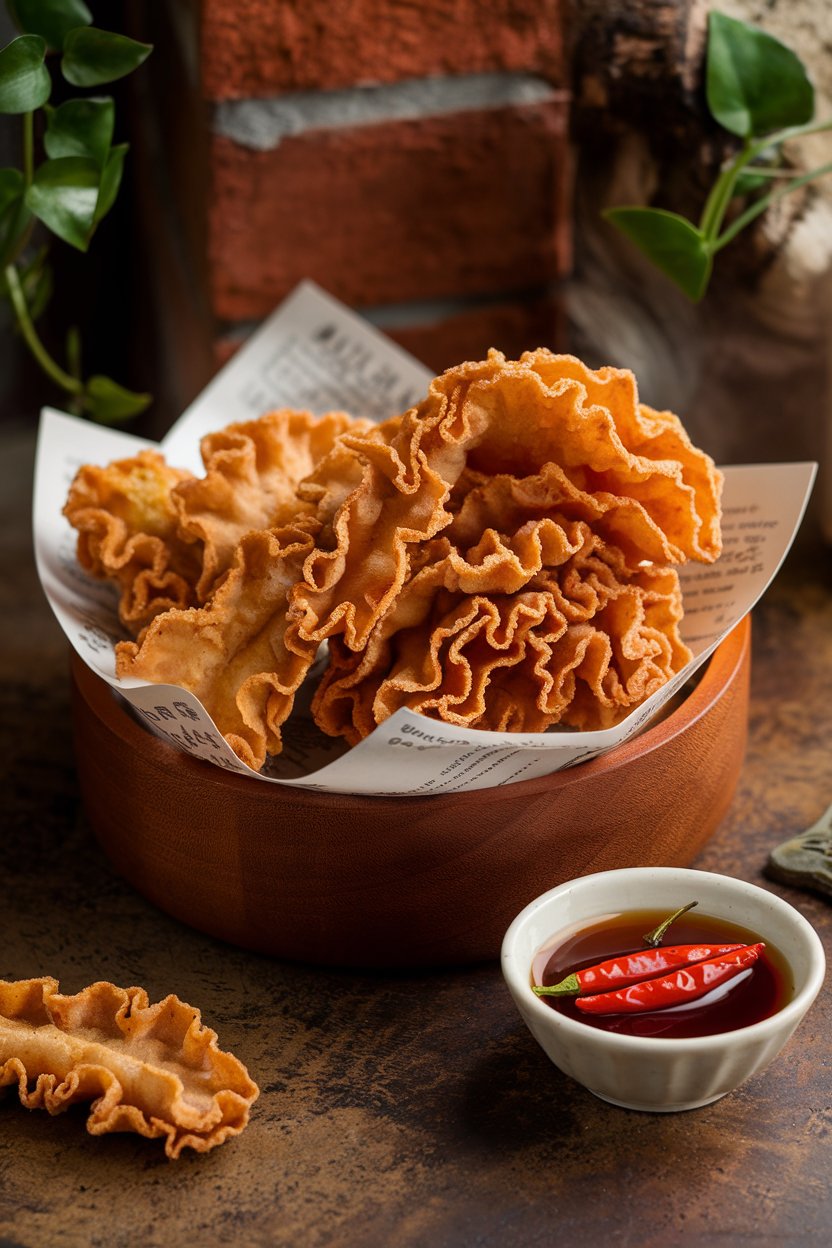
Chicharon Bulaklak – Crispy & Savory Filipino Delight

Prep Time: 15 mins | Cook Time: 40 mins | Total Time: 55 mins | Servings: 4


🛒 Ingredients

✔️ 1 kg pork mesentery (bulaklak)
✔️ 1 tbsp salt
✔️ 1 tbsp whole black peppercorns
✔️ 5 cloves garlic (crushed)
✔️ 4 cups water
✔️ 1 tbsp vinegar
✔️ Cooking oil (for deep frying)

For Dipping Sauce:
✔️ Spiced vinegar (sukang Iloko or cane vinegar)
✔️ Chopped red chilies (optional)
✔️ 1 tsp soy sauce (optional for extra umami)


🔥 Directions

Step 1: Clean the Bulaklak

1️⃣ Wash the pork mesentery thoroughly under running water.
2️⃣ Trim excess fat and remove any impurities.
3️⃣ Rub with salt and vinegar, then rinse well.

Step 2: Boil Until Tender

4️⃣ In a pot, add the pork bulaklak, water, garlic, salt, and peppercorns. Bring to a boil.
5️⃣ Simmer for 30–40 minutes or until tender.
6️⃣ Drain and let it cool completely. (For extra crispiness, chill in the fridge for 1 hour.)

Step 3: Fry Until Crispy

7️⃣ Heat enough oil in a deep pan over medium-high heat.
8️⃣ Fry the boiled bulaklak in batches until golden brown and crispy (about 3–5 minutes per batch).
9️⃣ Drain excess oil on paper towels.

Step 4: Serve & Enjoy!

🔥 Serve hot with spiced vinegar dipping sauce!


🔎 Tips for Extra Crunchy Chicharon Bulaklak

✔️ Double-fry method: Fry once at low heat to render fat, then fry again at high heat for ultimate crispiness.
✔️ Air-dry for 1 hour before frying to prevent oil splatter.
✔️ Use a wire strainer when frying to keep the pieces crispy and evenly cooked.
✔️ For less grease, place on a cooling rack after frying instead of paper towels.


🍽️ What to Pair with Chicharon Bulaklak

Chicharon Bulaklak pairs perfectly with an ice-cold beer or a refreshing soda. For an ulam pairing, try it with Laing (Spicy Taro Leaves in Coconut Milk)!


🛒 Best Ingredient Brands to Use

✔️ Vinegar: Sukang Iloko or Datu Puti for the best dipping sauce
✔️ Pork: Get fresh mesentery from a reputable butcher for best quality
✔️ Soy Sauce: Marca Piña or Silver Swan for added umami in the sauce


📜 The Story Behind Chicharon Bulaklak

Chicharon Bulaklak is a popular Filipino pulutan (beer snack) known for its crispy, savory, and addictive flavor. The name “bulaklak” (flower) comes from its frilly, curled-up shape after frying. Despite being high in cholesterol, it remains a beloved guilty pleasure, often served in Filipino gatherings and street food stalls. Traditionally enjoyed with sukang Iloko, its crunchy texture and tangy dip make it a must-try snack!

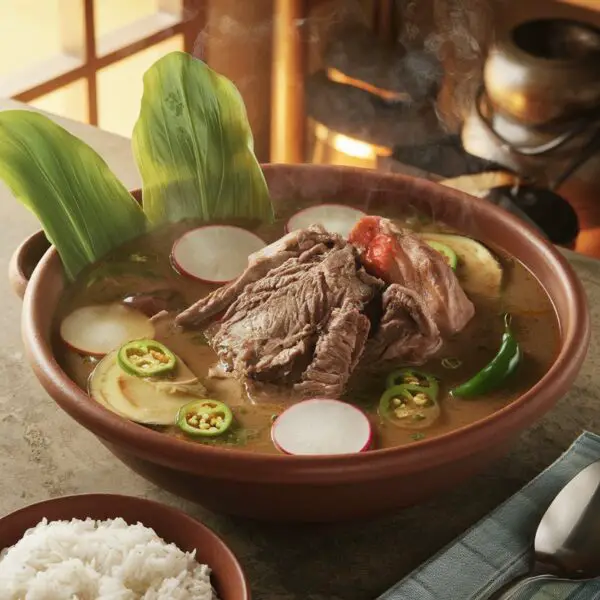
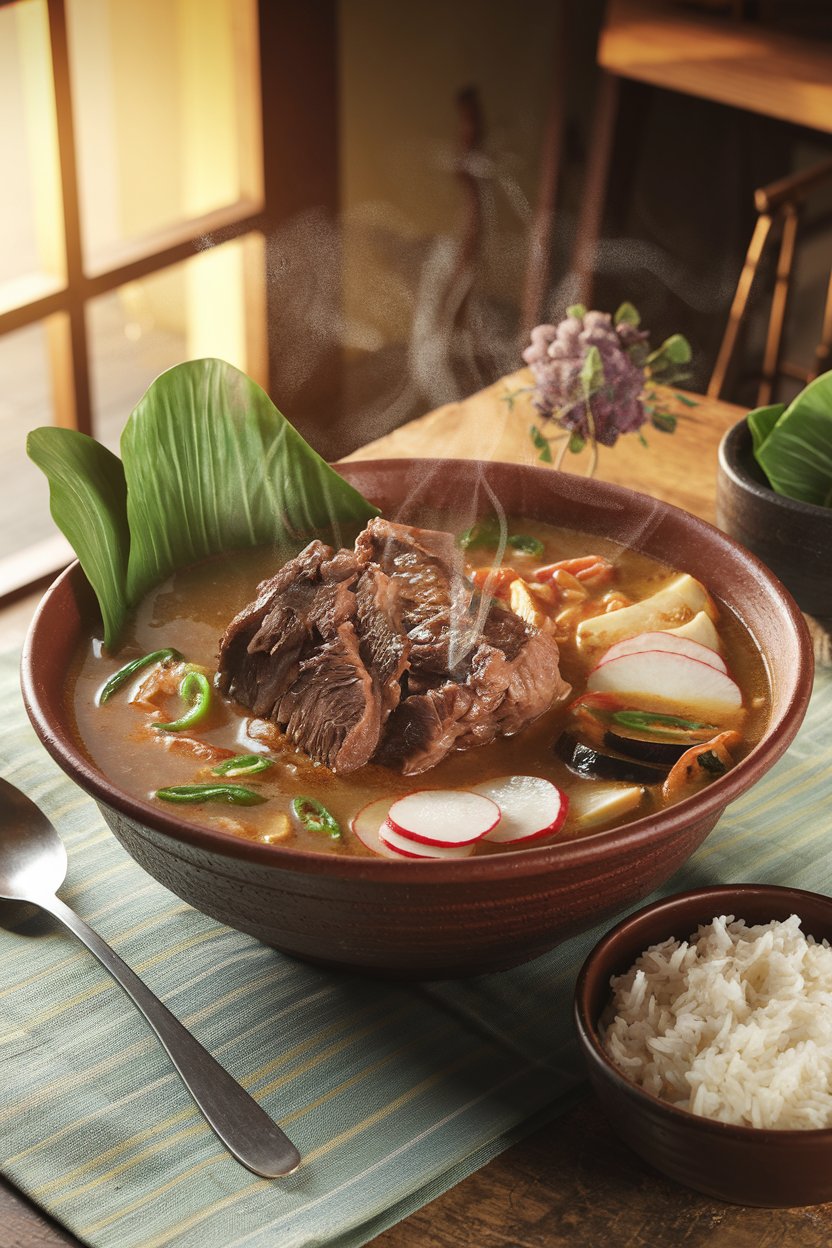
A steaming bowl of Beef Sinigang with tender meat and vegetables in a rich tamarind broth. Alt Text: A traditional bowl of Sinigang na Baka with beef shank, vegetables, and sour tamarind broth.

Sinigang na Baka (Beef Sinigang) – A Tangy and Comforting Filipino Soup

Prep Time: 15 mins | Cook Time: 1 hr 30 mins | Total Time: 1 hr 45 mins | Servings: 6


🛒 Ingredients

✔️ 1.5 kg beef shank (or short ribs, cut into serving pieces)
✔️ 2 large tomatoes (quartered)
✔️ 1 medium onion (quartered)
✔️ 8 cups water
✔️ 2-3 tbsp fish sauce (to taste)
✔️ 1 large radish (sliced into rounds)
✔️ 1 bunch of string beans (cut into 2-inch pieces)
✔️ 1 large eggplant (sliced into rounds)
✔️ 1 bunch kangkong (water spinach, trimmed)
✔️ 3 pieces green chili (siling haba, optional)
✔️ 1 pack sinigang mix (Knorr or Mama Sita’s Tamarind Soup Mix) OR
✔️ 1 1/2 cups fresh tamarind pulp (boiled, strained, and mashed for natural sourness)


🔥 Directions

Step 1: Boil the Beef

1️⃣ Combine beef shank, tomatoes, onions, and water in a large pot. Bring to a boil over high heat.
2️⃣ Lower to a simmer and cook for 1.5 to 2 hours (or 40 minutes in a pressure cooker) until the beef is fork-tender. Skim off any scum that rises to the top.

Step 2: Flavor the Broth

3️⃣ Add fish sauce and stir. Taste and adjust as needed.
4️⃣ Pour in the sinigang mix (or fresh tamarind pulp). Stir well and simmer for another 10 minutes.

Step 3: Add the Vegetables

5️⃣ Toss in radish, eggplant, and string beans. Simmer for 5 minutes until slightly tender.
6️⃣ Add green chili for extra heat (optional).
7️⃣ Lastly, add kangkong and let it cook for 1-2 minutes.

Step 4: Serve & Enjoy!

🔥 Serve hot with steaming rice and enjoy the comforting tangy broth!


🔎 Tips for the Best Sinigang na Baka

✔️ For richer broth: Use beef bones for a deep, flavorful stock.
✔️ Want a healthier option? Add more veggies like okra or sitaw.
✔️ No tamarind? You can substitute with calamansi or green mango for natural sourness.
✔️ Faster cooking? A pressure cooker will tenderize the beef in just 40 minutes!


A steaming bowl of Beef Sinigang with tender meat and vegetables in a rich tamarind broth.
Alt Text: A traditional bowl of Sinigang na Baka with beef shank, vegetables, and sour tamarind broth.

🍽️ What to Pair with Sinigang na Baka

For the ultimate Filipino meal, pair Sinigang na Baka with Tortang Talong (eggplant omelet). The smoky eggplant and fluffy eggs balance the sourness of the broth. Looking for a perfect side dish? Try Tortang Talong today!

Another great option is Chicharon Bulaklak, adding a crispy, savory bite to contrast the soup’s rich, tangy flavors. Craving crunch with your Sinigang? Check out Chicharon Bulaklak!


🛒 Best Ingredient Brands to Use

✔️ Sinigang Mix: Knorr or Mama Sita’s for a quick and authentic tamarind flavor
✔️ Beef: Go for well-marbled beef shank or short ribs for the best taste
✔️ Fish Sauce: Use Barrio Fiesta or Rufina for a deep umami flavor
✔️ Vegetables: Fresh kangkong and radish give the best texture and taste


📜 The History of Sinigang

Sinigang is one of the most beloved comfort foods in the Philippines, known for its tangy and savory broth. The dish dates back to pre-colonial times when early Filipinos used tamarind, guava, or green mango to sour their stews. While pork sinigang is the most popular, beef sinigang is a richer, heartier version loved for its deep flavors. Today, Sinigang remains a staple in Filipino homes, perfect for cold and rainy days!

Authentic Tinolang Manok Recipe

Looking for a comforting and wholesome soup? Tinolang Manok is a traditional Filipino chicken soup that’s perfect for any day. This recipe brings warmth and nourishment to your table, capturing the essence of home cooking that everyone loves. It’s simple to prepare and showcases the delightful flavors of ginger and fresh herbs.

Imagine tender chicken simmered in a savory broth, combined with fresh vegetables like green papaya and leafy spinach. Each spoonful offers a comforting warmth, making it a perfect choice for family gatherings or a cozy dinner.

Traditional Filipino Chicken Soup

Tinolang Manok embodies the essence of Filipino comfort food. This soup features tender chicken, simmered until perfectly cooked, resulting in a rich yet light broth that is both nourishing and satisfying.

The combination of ginger and fresh vegetables lends a fragrant quality to the dish, making it an ideal choice for family gatherings or quiet dinners at home. The vibrant color of the green papaya and spinach not only adds visual appeal but also enhances the overall flavor profile.

Ingredients that Shine

The simplicity of Tinolang Manok is one of its greatest strengths. A whole chicken cut into pieces serves as the main ingredient, while fresh ginger, onions, and green papaya provide a depth of flavor that is hard to match.

Spinach or other leafy greens contribute a nutritional boost, turning each bowl into a wholesome meal. A touch of fish sauce enriches the broth, balancing the flavors beautifully. Garnishing with chopped green onions adds a fresh and aromatic finish, elevating the dish further.

Aromatic Preparations

The preparation of Tinolang Manok begins with sautéing onions and ginger in heated oil. This step is vital, as it releases the aromatic oils that form the foundation of the broth.

Once fragrant, adding the chicken pieces allows them to absorb the flavors of the aromatics. After cooking until no longer pink, a splash of fish sauce brings an umami punch that makes the soup irresistible.

Cooking Process

The cooking process is straightforward, making it accessible for home cooks of all skill levels. After sautéing the ingredients, water is added and brought to a boil. The simmering stage is essential, allowing the chicken to become tender and the flavors to meld.

After about 20 minutes of simmering, the sliced green papaya is introduced. This not only adds sweetness but also a satisfying texture. The soup continues to simmer until the papaya reaches the perfect tenderness, followed by the addition of spinach, which wilts beautifully in the hot broth.

Serving Suggestions

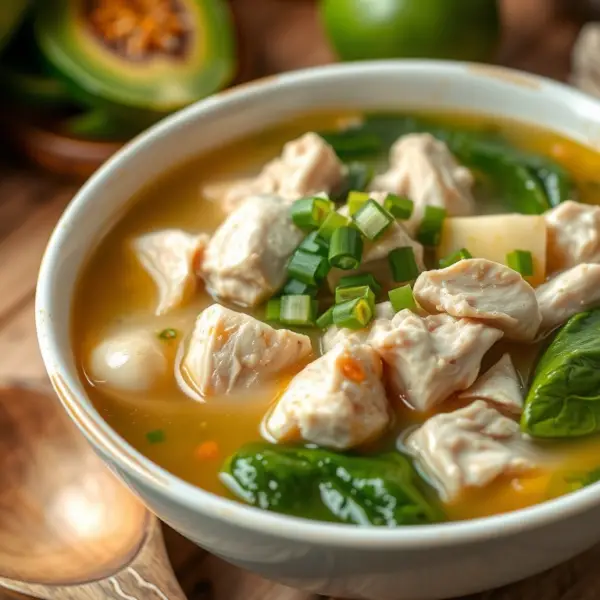
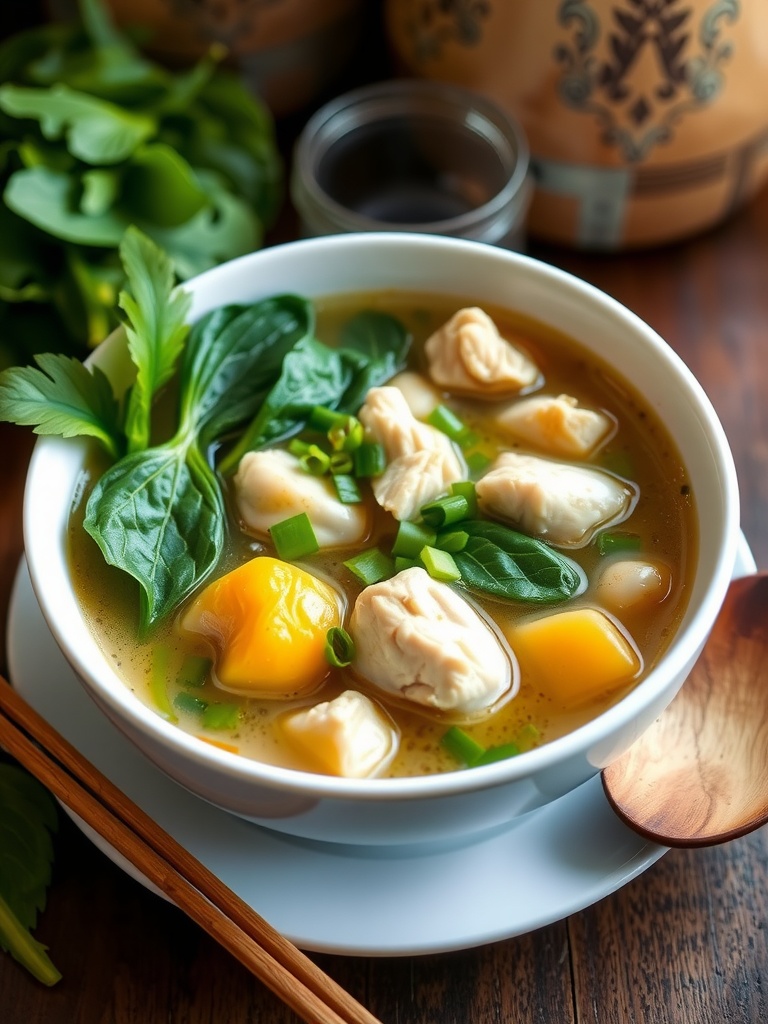
Once cooked, Tinolang Manok is ready to be served. Ladling the soup into bowls reveals the delightful combination of chicken, papaya, and greens, each bite offering warmth and comfort.

A rustic wooden spoon beside the bowl adds to the cozy presentation. For those who enjoy a bit of extra flavor, a sprinkle of chopped green onions on top provides a fresh touch that complements the dish perfectly.

The Heart of Home Cooking

Tinolang Manok is more than just a meal; it represents the heart of home cooking in Filipino culture. Its soothing flavors and nurturing ingredients make it a go-to option for rainy days or when someone needs a little extra warmth.

This traditional dish not only nourishes the body but also brings families together, creating lasting memories around the dinner table. Whether enjoyed on a special occasion or a regular weeknight, Tinolang Manok is sure to bring comfort and joy to any meal.

Traditional Filipino Chicken Soup

A bowl of Tinolang Manok with chicken, papaya, and spinach in ginger broth, garnished with green onions.

Tinolang Manok is a light and fragrant soup made with chicken, ginger, and fresh vegetables. This dish is characterized by its warm and soothing flavors, making it a family favorite during rainy days or for a hearty meal.

Ingredients

  • 1 whole chicken cut into serving pieces
  • 1 medium onion chopped
  • 2 tablespoons ginger sliced
  • 4 cups water
  • 1 medium green papaya peeled and sliced
  • 2 cups spinach or other leafy greens
  • 2 tablespoons fish sauce
  • Salt and pepper to taste
  • 2 tablespoons cooking oil
  • Chopped green onions for garnish (optional)

Instructions

  1. Sauté Aromatics: In a large pot, heat oil over medium heat. Add chopped onion and ginger, sauté until fragrant.
  2. Cook Chicken: Add the chicken pieces and cook until no longer pink. Stir in fish sauce and cook for a few more minutes.
  3. Add Water: Pour in the water and bring to a boil. Reduce heat and simmer for about 20 minutes.
  4. Incorporate Vegetables: Add the sliced green papaya and simmer until tender, about 10 minutes.
  5. Finish with Greens: Stir in the spinach and cook until wilted. Season with salt and pepper to taste.
  6. Serve: Ladle soup into bowls, garnish with chopped green onions if desired, and enjoy hot.

Cook and Prep Times

  • Prep Time: 10 minutes
  • Cook Time: 40 minutes
  • Total Time: 50 minutes

Nutrition Information

  • Servings: 6 servings
  • Calories: 180kcal
  • Fat: 7g
  • Protein: 30g
  • Carbohydrates: 8g

Crispy Fried Hotdogs with Instant Noodles Recipe

Looking for a quick and satisfying meal that brings a smile to your face? This crispy fried hotdogs paired with instant noodles is just the ticket. It’s a simple dish that combines the nostalgia of childhood favorites with a touch of creativity. You’ll love how easy it is to whip up, and the flavors will take you back to carefree days.

This recipe transforms basic hotdogs into crispy bites that are perfect for snacking or a light meal. The instant noodles add a delightful twist, making this dish comforting and full of flavor. Whether you’re in a hurry or just craving something delicious, this recipe is your go-to solution.

Delightful Hotdogs: A Crispy Treat

The transformation of hotdogs into crispy bites is a culinary delight that elevates a classic.

The golden-brown exterior is not only visually appealing but also ensures a satisfying crunch with each bite.

Herbs sprinkled on top enhance the flavor profile, making them even more irresistible.

Instant Noodles: Quick Comfort Food

Instant noodles serve as the perfect companion to crispy hotdogs.

Their soft and chewy texture complements the crunchiness of the hotdogs, providing a delightful contrast.

When tossed with soy sauce, the noodles take on a savory flavor that ties the dish together, offering a comforting element for a quick meal.

Preparing Your Ingredients

To create this dish, start with the right ingredients.

Using fresh hotdogs and quality instant noodles is key to achieving a delicious outcome.

Gathering a few pantry staples like flour, spices, and breadcrumbs will also aid in the preparation process, allowing you to whip up this dish in no time.

Cooking Techniques for Crunchiness

Frying the hotdogs is an important step that yields that coveted crispy texture.

Dredging them in flour and breadcrumbs before frying helps create a golden crust that locks in flavor.

The ideal frying temperature is crucial; too low, and they’ll absorb oil, too high, and they might burn. Finding that sweet spot is essential for perfecting your hotdogs.

Serving Suggestions

When it comes to serving, presentation plays a role in enhancing the eating experience.

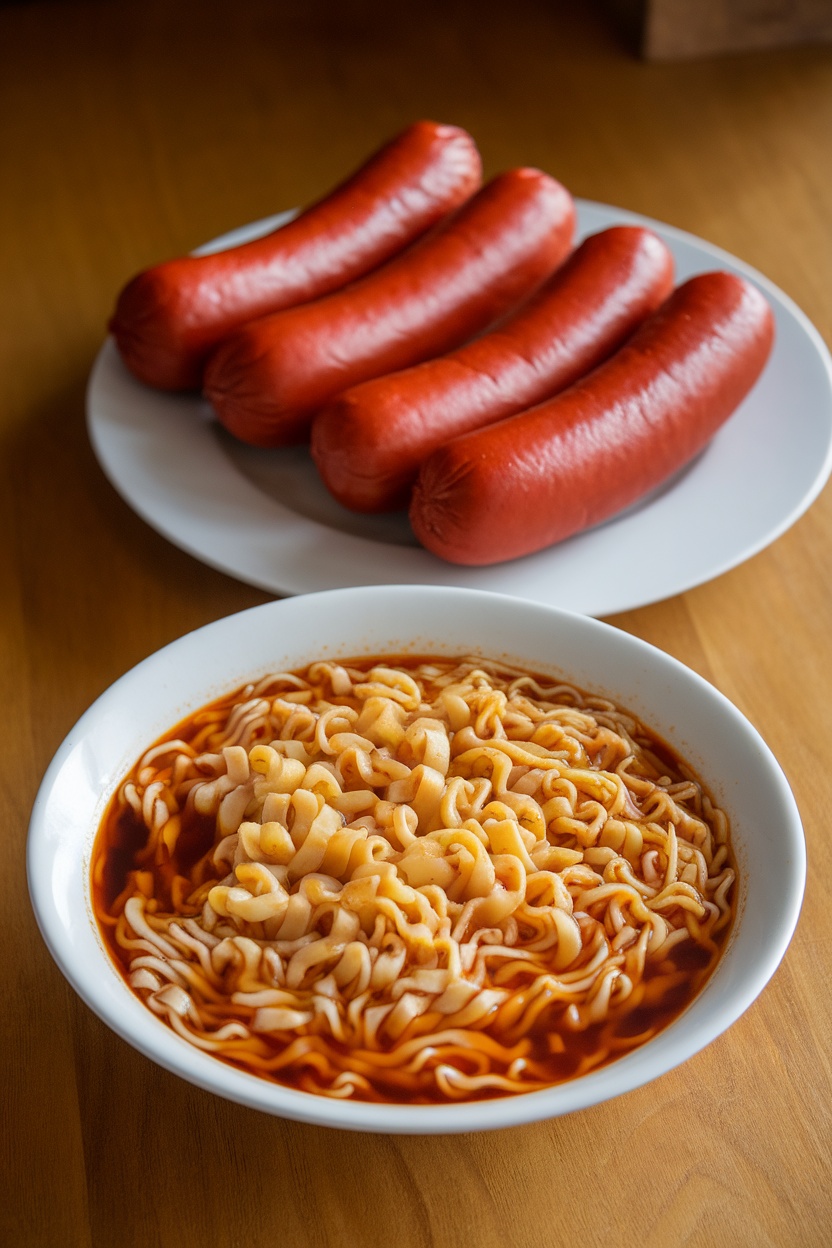
Plating the crispy fried hotdogs next to a mound of glistening noodles creates an appealing contrast that invites you to dig in.

To elevate the dish further, consider adding a side of dipping sauce or fresh herbs for garnish, which can add a pop of color and flavor.

Enjoying the Meal

This dish is not just about taste; it’s about reliving memories of childhood favorites.

Whether you’re enjoying it alone or sharing with friends, it is a meal that brings joy and satisfaction.

Dig into this comforting plate and relish the delightful combination of flavors and textures that make every bite enjoyable.

Quick and Easy Fried Hotdogs with Instant Noodles

Crispy fried hotdogs and instant noodles on a plate, ready to be served.

The crispy fried hotdogs are golden and crunchy on the outside, bursting with juicy flavor on the inside. Paired with instant noodles, this dish offers a lovely textural contrast, making each bite satisfying.

Ingredients

  • 4 hotdogs
  • 1 cup all-purpose flour
  • 1 teaspoon paprika
  • 1/2 teaspoon garlic powder
  • 1/2 teaspoon salt
  • 1/4 teaspoon black pepper
  • 1/2 cup breadcrumbs
  • Oil for frying
  • 2 packs of instant noodles
  • 2 cups water
  • Soy sauce or seasoning from instant noodle packs to taste

Instructions

  1. Prepare the Hotdogs: Cut the hotdogs into halves or quarters, depending on your preference.
  2. Coat the Hotdogs: In a bowl, mix flour, paprika, garlic powder, salt, and black pepper. Dredge the hotdogs in the flour mixture, ensuring they’re fully coated, then dip them in breadcrumbs.
  3. Heat the Oil: In a deep skillet, heat oil over medium heat. Once hot, carefully add the coated hotdogs and fry until golden brown and crispy, about 3-4 minutes. Drain on paper towels.
  4. Cook the Instant Noodles: In a pot, bring water to a boil. Add the instant noodles and cook according to package instructions, usually about 3-4 minutes. Drain and toss with soy sauce or seasoning.
  5. Serve: Plate the crispy fried hotdogs next to the instant noodles. Enjoy while hot!

Cook and Prep Times

  • Prep Time: 10 minutes
  • Cook Time: 15 minutes
  • Total Time: 25 minutes

Nutrition Information

  • Servings: 2 servings
  • Calories: 450kcal
  • Fat: 22g
  • Protein: 15g
  • Carbohydrates: 51g

Authentic Chicken Inasal Recipe

Chicken Inasal is a beloved Filipino grilled chicken dish that bursts with flavor. It’s marinated in a mixture of vinegar, calamansi, and spices, resulting in tender, juicy meat with a delightful tang. Perfect for gatherings or a simple family dinner, this dish embodies the essence of Filipino cuisine.

Imagine the aroma of marinated chicken sizzling over hot coals, each bite revealing layers of flavor. The tangy marinade, combined with a hint of smokiness from grilling, creates a dish that’s both satisfying and memorable. Pair it with steamed rice and a side of atsara for a complete meal.

This recipe is not just a meal; it’s a celebration of flavors that showcases the Filipino love for grilling and bold tastes. With simple ingredients and straightforward steps, you can bring a taste of the Philippines right to your kitchen.

The Allure of Chicken Inasal

Chicken Inasal captivates the senses with its rich marinade and the intoxicating aroma of grilled meat. This dish, hailing from the Philippines, is characterized by its vibrant flavors, combining the tanginess of calamansi and the warmth of spices. Each bite transports you to a rustic Filipino table, where the warmth of tradition meets culinary creativity.

The grilling process not only enhances the flavor but also creates an inviting char that adds depth to the chicken. The hints of smokiness from the grill beautifully complement the tangy marinade, resulting in a dish that is both savory and slightly sweet. Paired with steamed rice, Chicken Inasal becomes a fulfilling meal that delights the palate.

Marinade Magic

The heart of Chicken Inasal lies in its marinade. A blend of vinegar, soy sauce, garlic, ginger, and calamansi juice transforms simple chicken into a culinary masterpiece. The marinade infuses the meat with flavor, ensuring that every bite is bursting with taste.

Allowing the chicken to soak in this vibrant mixture not only tenderizes the meat but also enhances its juiciness. For the best results, marinating overnight is recommended, allowing the flavors to deepen and meld together. This step is where the magic happens, turning basic ingredients into something extraordinary.

The Perfect Grilling Technique

Achieving the ideal char is essential for Chicken Inasal. Preheating the grill to medium-high heat ensures that the chicken cooks evenly while developing those coveted grill marks. Basting the chicken with reserved marinade during grilling contributes to a moister texture and enriches the flavor.

Grilling for 6-8 minutes per side creates a beautiful outer layer while keeping the inside succulent and juicy. The careful attention to timing and temperature makes all the difference, transforming each piece into a grilled delight.

Serving Suggestions

Presentation plays a key role in enjoying Chicken Inasal. A vibrant plate garnished with calamansi slices invites diners to interact with their meal. The zesty fruit not only adds a pop of color but also a refreshing brightness when squeezed over the chicken.

Accompanying the dish with a mound of steamed rice and a small bowl of atsara, a pickled vegetable side, creates a balanced plate. The sweetness and tanginess of atsara cut through the savory richness of the chicken, enhancing the overall dining experience.

The Cultural Connection

Chicken Inasal is more than just a meal; it embodies Filipino culture and hospitality. Often enjoyed during gatherings or special occasions, this dish invites family and friends to come together over something delicious. The vibrant colors and communal style of eating foster a sense of togetherness that resonates deeply within the Filipino spirit.

Every bite of Chicken Inasal tells a story of tradition, love, and celebration. It’s a dish that reflects the warmth of home-cooked meals and the joy of sharing delicious food with loved ones.

Conclusion to the Experience

With its rich marinade, expert grilling, and cultural significance, Chicken Inasal stands out as a beloved Filipino dish. Whether you’re enjoying it at a festive gathering or a simple family dinner, the flavors and aromas create an unforgettable experience that lingers long after the last bite. This culinary gem invites everyone to savor the essence of Filipino cuisine.

The Best Chicken Inasal Recipe

Grilled Chicken Inasal served with rice and atsara, garnished with calamansi on a rustic table.

Chicken Inasal is marinated in a vibrant blend of vinegar, garlic, ginger, and spices, then grilled to perfection. It’s savory and slightly sweet with a smoky flavor, making it a perfect dish for any occasion.

Ingredients

  • 2 pounds chicken (thighs, drumsticks, or whole cut-up chicken)
  • 1/2 cup vinegar (preferably cane vinegar)
  • 1/4 cup soy sauce
  • 1 tablespoon calamansi juice (or lemon juice)
  • 1 head garlic, minced
  • 1 inch ginger, grated
  • 1 teaspoon black pepper
  • 1 tablespoon brown sugar
  • 1 teaspoon salt, adjust to taste
  • Bamboo skewers (optional, for grilling)
  • Banana leaves (optional, for wrapping)

Instructions

  1. Prepare the Marinade: In a bowl, combine vinegar, soy sauce, calamansi juice, minced garlic, grated ginger, black pepper, brown sugar, and salt. Mix well.
  2. Marinate the Chicken: Place the chicken pieces in a large ziplock bag or bowl and pour the marinade over them. Seal or cover, then refrigerate for at least 1 hour, or overnight for best flavor.
  3. Preheat the Grill: Preheat your grill to medium-high heat. If you’re using bamboo skewers, soak them in water for about 30 minutes to prevent burning.
  4. Grill the Chicken: Remove the chicken from the marinade (reserve some marinade for basting). Grill the chicken for about 6-8 minutes on each side, basting occasionally with the reserved marinade, until fully cooked and charred to your liking.
  5. Serve: Once cooked, remove the chicken from the grill and let it rest for a few minutes. Serve hot with steamed rice and a side of atsara.

Cook and Prep Times

  • Prep Time: 15 minutes
  • Marinate Time: 1 hour
  • Cook Time: 20 minutes
  • Total Time: 1 hour 35 minutes

Nutrition Information

  • Servings: 4 servings
  • Calories: 320kcal
  • Fat: 14g
  • Protein: 30g
  • Carbohydrates: 6g

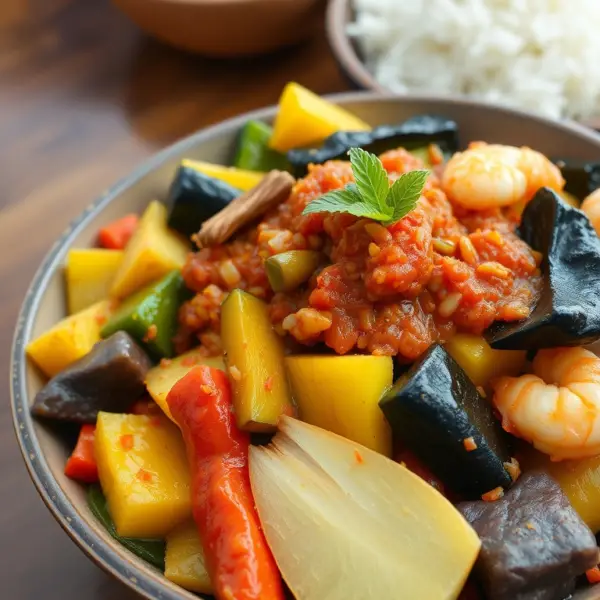
Flavorful Pinakbet Recipe with Vegetables

Pinakbet is a delightful Filipino dish that showcases a medley of fresh vegetables, perfectly simmered to create a hearty and nutritious meal. This dish is not just food; it’s an experience that celebrates the rich flavors of the Philippines, making it a favorite among locals and visitors alike.

Imagine a vibrant plate filled with vegetables like eggplant, bitter melon, and squash, all soaked in a savory shrimp paste sauce. Each bite bursts with flavor, bringing together a balance of sweetness, bitterness, and umami that is simply irresistible.

Perfect for a family dinner or a special occasion, this Pinakbet recipe allows you to embrace the wholesome goodness of vegetables while satisfying your taste buds.

Colors of the Dish

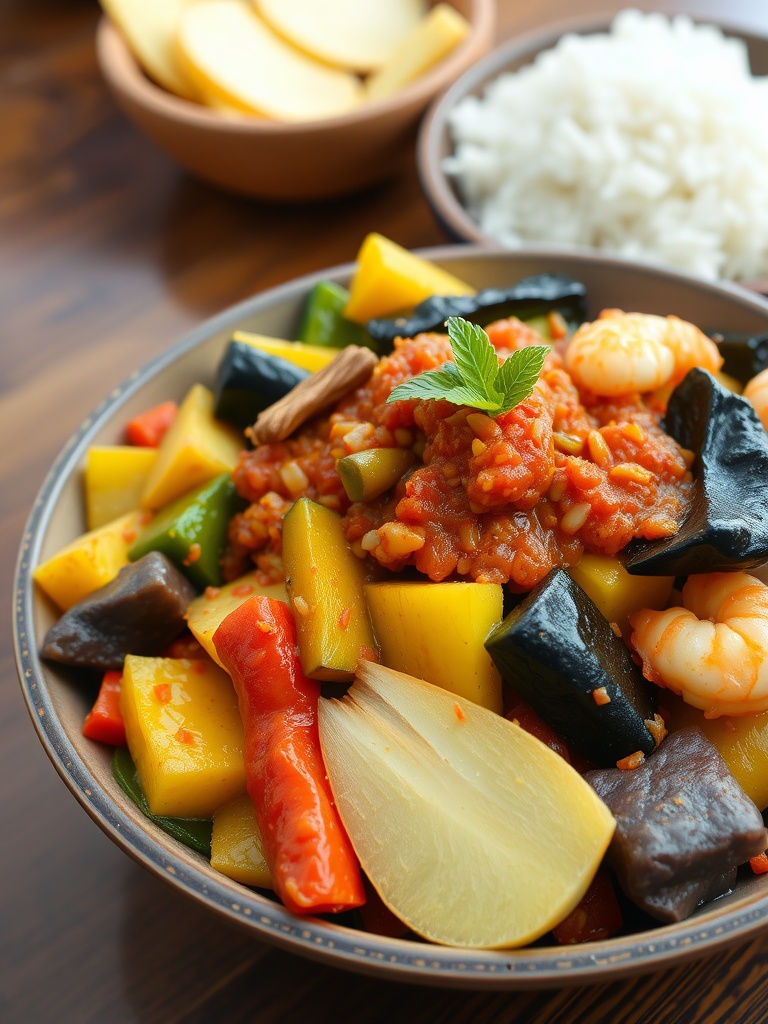
Pinakbet is a feast for the eyes, showcasing a vibrant array of vegetables that are both colorful and nutritious. A combination of squash, eggplant, and bitter melon creates a striking visual presentation that highlights the beauty of Filipino cuisine.

The rich hues of each vegetable not only make the dish appealing but also signify the flavors that await. Each ingredient brings its own unique taste, contributing to a delightful blend that is both satisfying and wholesome.

Savory Shrimp Paste

One of the standout features of pinakbet is the inclusion of shrimp paste, known locally as bagoong. This ingredient adds an umami depth that elevates the dish to new heights.

The savory, salty notes of the shrimp paste intertwine beautifully with the natural sweetness of the vegetables, creating a harmonious flavor profile. It’s a key component that ties the dish together, ensuring each bite is bursting with flavor.

Cooking Techniques

The preparation of pinakbet involves simple yet effective cooking techniques that enhance the taste and texture of the vegetables. Sautéing the onion and garlic at the beginning builds a fragrant base that sets the tone for the dish.

Simmering the vegetables in a broth infused with shrimp paste allows them to absorb the flavors while becoming tender. This method ensures that every ingredient reaches its full potential, delivering a comforting dish that warms the heart.

Serving Suggestions

Pinakbet is traditionally served warm, often accompanied by a side of steamed rice. The simplicity of the rice complements the rich flavors of the dish, making it a perfect pairing.

For an authentic Filipino meal, consider presenting the pinakbet in a rustic bowl, emphasizing its home-cooked nature. This approach invites diners to dig in and enjoy the meal as it was meant to be shared among family and friends.

Nutritional Value

Not only does pinakbet deliver on flavor, but it also offers a range of nutritional benefits. Packed with vegetables, this dish is a great source of vitamins and minerals, making it a healthy option for any meal.

Each serving contains a modest amount of calories, with a good balance of carbohydrates and protein. This makes pinakbet an excellent choice for those looking to enjoy a hearty yet nutritious dish.

Cultural Significance

Pinakbet is more than just a meal; it embodies the essence of Filipino culture. This dish reflects the agricultural roots of the Philippines, where fresh vegetables play a vital role in daily life.

Enjoyed by families across the nation, pinakbet is often prepared during gatherings and celebrations, symbolizing unity and communal dining. It stands as a testament to the rich culinary heritage of the Philippines, cherished for both its taste and tradition.

Traditional Pinakbet with Shrimp Paste

A traditional Filipino pinakbet with mixed vegetables and shrimp paste on a rustic table with rice.

This Pinakbet recipe features a variety of tender vegetables simmered in a rich broth, seasoned with shrimp paste for an authentic Filipino taste. The combination of flavors is both comforting and invigorating, ensuring you enjoy every mouthful.

Ingredients

  • 1 cup squash, diced
  • 1 cup eggplant, sliced
  • 1 cup bitter melon, sliced
  • 1 cup string beans, cut into 2-inch pieces
  • 1 medium onion, chopped
  • 2 cloves garlic, minced
  • 2 tablespoons shrimp paste (bagoong)
  • 2 cups water
  • Salt and pepper to taste
  • 2 tablespoons vegetable oil

Instructions

  1. Sauté Aromatics: Heat vegetable oil in a large pot over medium heat. Add onion and garlic, sautéing until fragrant.
  2. Add Vegetables: Stir in the squash and cook for about 5 minutes, then add eggplant, bitter melon, and string beans. Stir well.
  3. Season: Add shrimp paste and mix thoroughly. Pour in water and bring to a gentle simmer.
  4. Cook: Cover and cook for 10-15 minutes or until the vegetables are tender. Season with salt and pepper to taste.
  5. Serve: Transfer to a serving dish and enjoy warm with steamed rice.

Cook and Prep Times

  • Prep Time: 10 minutes
  • Cook Time: 20 minutes
  • Total Time: 30 minutes

Nutrition Information

  • Servings: 4 servings
  • Calories: 150kcal
  • Fat: 5g
  • Protein: 4g
  • Carbohydrates: 24g

Authentic Kare-Kare Recipe

Kare-Kare is a beloved Filipino dish that brings together a rich peanut sauce and tender oxtail in a comforting embrace. This recipe is not just a meal; it’s a culinary tradition that resonates with family gatherings and special occasions. The depth of flavor is simply unmatched, making it a favorite among many.

Imagine a plate filled with succulent oxtail, vibrant vegetables, and a luscious peanut sauce that dances on your taste buds. This dish is an explosion of textures and flavors – the creamy richness of the sauce paired with the freshness of the vegetables creates a delightful harmony.

Making Kare-Kare may sound intimidating, but with this straightforward recipe, you’ll find it surprisingly accessible. Get ready to impress your friends and family with this Filipino classic!

Understanding Kare-Kare

Kare-Kare is not just another dish; it’s an integral part of Filipino culinary heritage. This rich and flavorful meal features tender oxtail, creating a comforting experience that evokes memories of home and family gatherings. Each bowl serves as a reminder of special occasions filled with laughter and shared stories.

The key to its charm lies in the luscious peanut sauce, which envelops the oxtail and fresh vegetables, creating a delightful balance of flavors. The slight sweetness of the sauce, combined with the savory notes of the meat, makes every bite an enjoyable experience. It’s a dish that embodies the spirit of Filipino cuisine.

Ingredients that Shine

The beauty of Kare-Kare is in its simplicity and the quality of its ingredients. Oxtail is the star, but it’s complemented by a vibrant selection of vegetables including eggplant, banana heart, and string beans. This colorful medley not only enhances the dish visually but also adds various textures and nutrients.

Peanut butter and ground rice form the base of the rich sauce, contributing to its creamy consistency. Fish sauce adds a hint of umami, while chopped peanuts on top provide a delightful crunch. Served with bagoong, a fermented shrimp paste, the flavors come together to create a traditional feast.

Cooking Techniques

Creating the perfect Kare-Kare involves a few essential techniques that ensure tenderness and flavor. The initial step of boiling the oxtail helps to cleanse it, setting the stage for a clean-tasting broth. Simmering the meat slowly allows the flavors to develop fully, resulting in a tender texture that falls off the bone.

Incorporating the peanut sauce requires careful mixing to achieve the right consistency. The addition of vegetables towards the end of cooking helps maintain their vibrant colors and crunch. This method showcases the dish’s freshness while ensuring each component harmonizes beautifully.

Serving Suggestions

Presentation plays a significant role in how Kare-Kare is enjoyed. Ladling the dish into deep bowls and garnishing with chopped peanuts elevates the visual appeal. The contrasting colors of the dish against a wooden table provide a rustic charm that enhances the overall dining experience.

Pairing it with a bowl of bagoong allows each diner to customize their meal, adding a salty punch that balances the richness of the sauce. This interactive element makes eating Kare-Kare not just a meal, but a festive occasion.

Cultural Significance

Kare-Kare is more than just food; it’s a symbol of Filipino culture. Traditionally served during significant celebrations, this dish brings people together, fostering a sense of community. The act of sharing a bowl of Kare-Kare showcases generosity and hospitality, deeply rooted in Filipino values.

As families gather around the table, the dish becomes a centerpiece of conversation, laughter, and connection. The experience of enjoying Kare-Kare extends beyond the palate, resonating with cherished memories and shared moments.

Variations and Modern Takes

While the classic version of Kare-Kare remains beloved, many modern adaptations have emerged, catering to a diverse range of dietary preferences. Some variations include using vegetables as the main ingredient, appealing to vegetarians or vegans, while others may incorporate different proteins such as tripe or even seafood.

Experimenting with the ingredients provides a fresh take on this traditional dish while still honoring its roots. Whether it’s a family recipe passed down through generations or a new interpretation, Kare-Kare continues to evolve, delighting palates around the world.

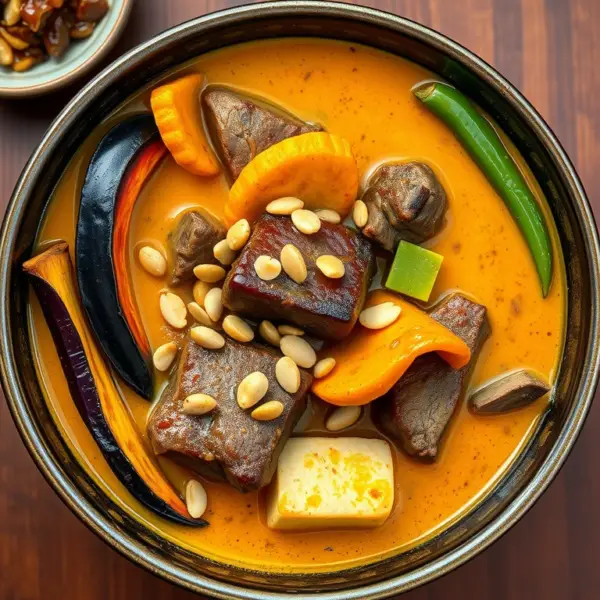
Traditional Kare-Kare with a Twist
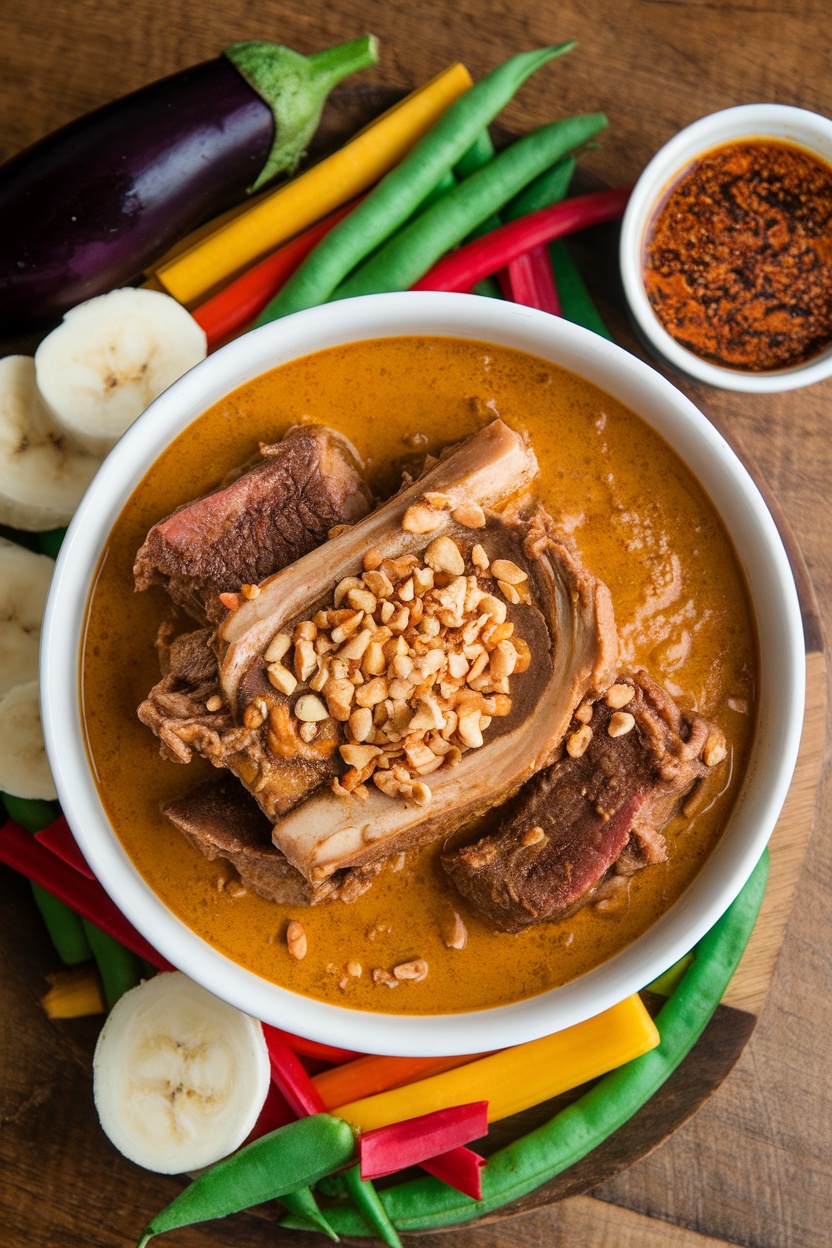
A bowl of Kare-Kare with oxtail and vegetables in peanut sauce, garnished with peanuts, alongside bagoong.

This authentic Kare-Kare features tender oxtail stewed in a velvety peanut sauce, accompanied by a colorful medley of vegetables. Each bite is a perfect balance of savory and slightly sweet, leaving a lasting impression that’s hard to forget.

Ingredients

  • 2 lbs oxtail, cut into pieces
  • 1/2 cup peanut butter
  • 1/4 cup ground rice or rice flour
  • 1 onion, chopped
  • 4 cloves garlic, minced
  • 1/2 lb eggplant, sliced
  • 1/2 lb banana heart, sliced
  • 1/2 lb string beans, trimmed
  • 4 cups beef broth
  • 2 tablespoons fish sauce
  • Salt and pepper to taste
  • Chopped peanuts and bagoong (fermented shrimp paste) for serving

Instructions

  1. Prepare the Oxtail: In a large pot, add the oxtail and cover with water. Boil for about 10 minutes, then drain and rinse. This step helps remove impurities.
  2. Simmer the Oxtail: Return the cleaned oxtail to the pot, add beef broth, onion, and garlic. Simmer for about 1.5 to 2 hours, or until the meat is tender.
  3. Make the Sauce: Once the oxtail is tender, stir in the peanut butter and ground rice, mixing until well combined. Add water if the sauce is too thick.
  4. Add Vegetables: Incorporate the sliced eggplant, banana heart, and string beans into the pot. Cook for an additional 10-15 minutes until the vegetables are tender.
  5. Season: Adjust seasoning with fish sauce, salt, and pepper to taste.
  6. Serve: Ladle the Kare-Kare into bowls and garnish with chopped peanuts. Serve hot with a side of bagoong.

Cook and Prep Times

  • Prep Time: 20 minutes
  • Cook Time: 2 hours
  • Total Time: 2 hours 20 minutes
  • Servings: 6 servings
  • Calories: 450kcal
  • Fat: 28g
  • Protein: 32g
  • Carbohydrates: 20g
Authentic Bistek Tagalog Recipe

Bistek Tagalog, a classic Filipino dish, brings together the savory flavors of marinated beef and the rich taste of onions. This dish is a staple in many households, loved for its simplicity and heartwarming taste. Perfect for family gatherings or a comforting weeknight dinner, Bistek Tagalog is sure to impress.

Imagine tender slices of beef, marinated in soy sauce and calamansi, cooked until perfectly juicy and paired with caramelized onions. The combination of tangy and savory flavors creates a truly delightful experience. Whether served over rice or with a side of vegetables, this dish is a crowd-pleaser.

Understanding Bistek Tagalog

Bistek Tagalog is a beloved dish from the Philippines, showcasing the harmonious blend of tender beef and aromatic onions. The use of soy sauce and calamansi juice in its marinade gives it a distinctive savory and tangy profile.

This dish is not only a staple in many households but also a symbol of Filipino hospitality. It embodies comfort, often bringing families together around the dinner table to share stories and laughter.

Key Ingredients and Their Roles

The main ingredient, beef sirloin, shines in this recipe due to its tenderness. It absorbs the flavors of the marinade beautifully, ensuring each bite is packed with taste.

Onions, sautéed until golden brown, add a sweet depth to the dish. The combination of the marinated beef and caramelized onions creates a fulfilling experience that resonates with both locals and those new to Filipino cuisine.

Aromatic Marinade

Marinating the beef is a vital step that cannot be overlooked. A mixture of soy sauce, calamansi juice, and garlic not only tenderizes the meat but also infuses it with a robust flavor.

Allowing the beef to soak up these ingredients for at least thirty minutes enhances the overall taste, making the final dish even more inviting. The tanginess of calamansi provides a refreshing contrast to the savory notes of the soy sauce.

Cooking Technique

The preparation of Bistek Tagalog involves simple yet effective techniques. Sautéing the onions separately until they caramelize adds complexity to the dish.

Cooking the marinated beef in the same skillet allows the meat to absorb the residual flavors from the onions, enriching the sauce. This method of cooking ensures that the beef remains juicy and flavorful.

Serving Suggestions

When serving Bistek Tagalog, a side of steaming white rice is essential. The rice acts as a neutral base, complementing the rich sauce and meaty flavors of the dish.

For an extra touch, a small bowl of soy sauce for dipping enhances the experience, allowing each diner to personalize their flavor profile. Garnishing with fresh calamansi and green onions adds brightness and visual appeal to the plate.

Embracing Filipino Culture

Every dish tells a story, and Bistek Tagalog is no exception. It reflects the warmth of Filipino culture and the joy of sharing a meal with loved ones.

This delectable dish is perfect for any occasion, whether it’s a family gathering or a casual weeknight dinner. Bistek Tagalog invites diners to savor not just the food but also the moments spent together, making it a cherished part of Filipino dining traditions.

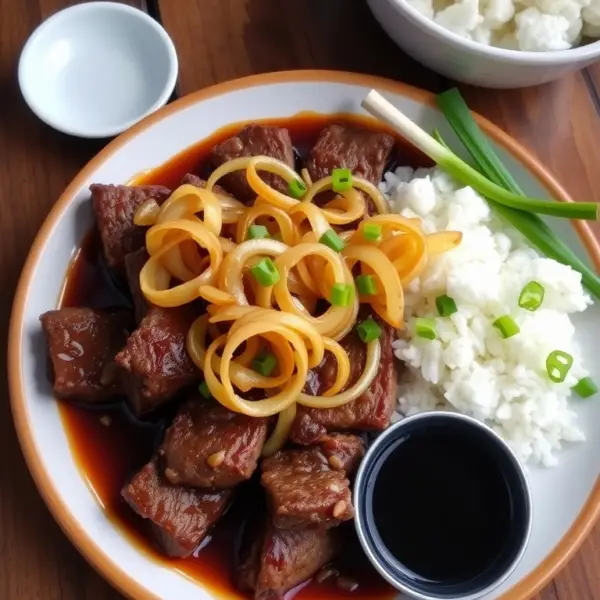
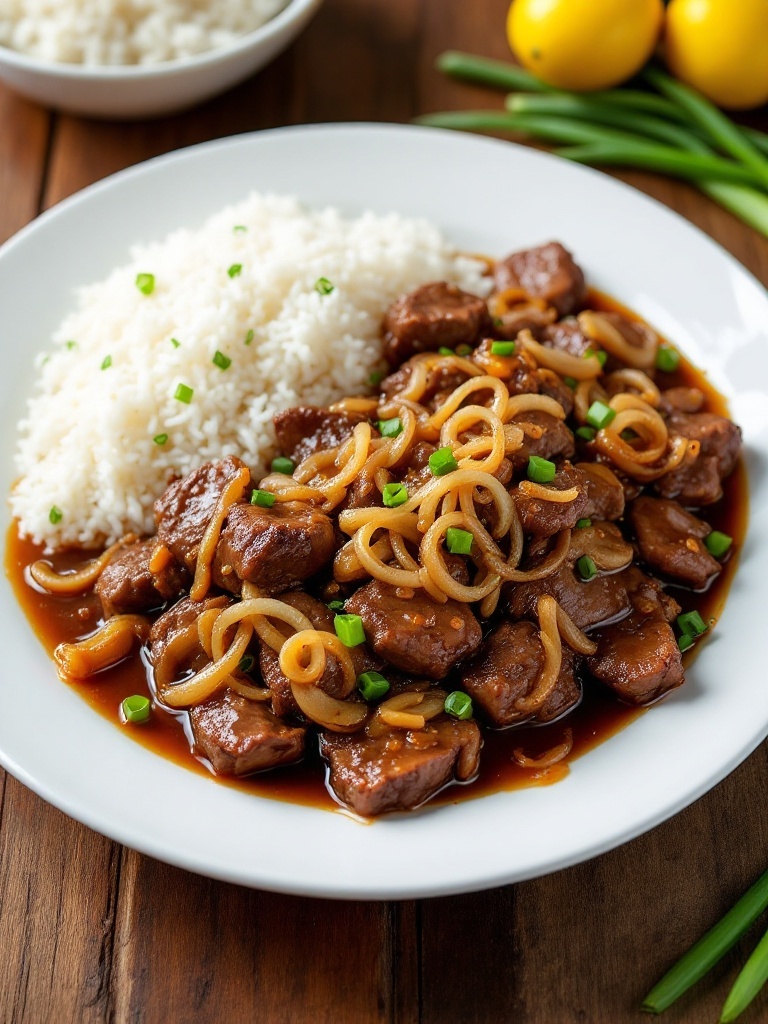
The Best Bistek Tagalog Recipe

A delicious serving of Bistek Tagalog with beef and onions, served alongside rice and calamansi.

This Bistek Tagalog recipe features thinly sliced beef marinated in a flavorful mixture of soy sauce and calamansi juice, then sautéed with onions. The resulting dish is savory, slightly tangy, and incredibly satisfying, making it a favorite at any Filipino dining table.

Ingredients

  • 1 lb beef sirloin, thinly sliced
  • 1/4 cup soy sauce
  • 1/4 cup calamansi juice or lemon juice
  • 2 tablespoons vegetable oil
  • 2 medium onions, sliced into rings
  • 1 teaspoon garlic, minced
  • Salt and pepper to taste
  • Chopped green onions for garnish (optional)

Instructions

  1. Marinate the Beef: In a bowl, combine soy sauce, calamansi juice, minced garlic, salt, and pepper. Add the sliced beef and let it marinate for at least 30 minutes.
  2. Cook the Onions: In a large skillet, heat vegetable oil over medium heat. Add sliced onions and sauté until they are golden brown. Remove from the skillet and set aside.
  3. Cook the Beef: In the same skillet, add the marinated beef (reserve the marinade) and cook until browned. Pour in the reserved marinade and simmer for 5-10 minutes until the beef is tender.
  4. Combine: Add the cooked onions back into the skillet and mix well. Adjust seasoning if necessary.
  5. Serve: Transfer to a serving dish and garnish with chopped green onions if desired. Serve hot with steamed rice.

Cook and Prep Times

  • Prep Time: 10 minutes
  • Cook Time: 20 minutes
  • Total Time: 30 minutes

Nutrition Information

  • Servings: 4 servings
  • Calories: 350kcal
  • Fat: 15g
  • Protein: 30g
  • Carbohydrates: 10g

Refreshing Watermelon Palamig Recipe

Looking for a cool and refreshing treat to beat the heat? This Watermelon Palamig is just the answer! Perfect for warm days, this delightful drink combines the sweetness of ripe melons with a hint of mint, making it a favorite among family and friends. Whether you’re lounging by the pool or hosting a summer gathering, this recipe is sure to impress.

This easy-to-make Melon Palamig is not only a thirst-quencher but also a visually stunning drink that captures the essence of summer in every sip. The combination of juicy watermelon and honeydew creates a beautiful gradient that is as pleasing to the eye as it is to the palate.

Chill Out with This Watermelon Palamig

The Melon Palamig stands out as an ideal choice for those hot summer days. This drink brings a refreshing blend of watermelon and honeydew, creating a delightful combination that is both sweet and invigorating.

With its light and fruity profile, this beverage is perfect for any outdoor gathering. Imagine lounging under the warm sun, sipping on this chilled treat, and feeling the refreshing burst of flavors dance on your palate.

Ingredients That Shine

To create this delightful drink, you’ll need just a few simple ingredients. Fresh watermelon and honeydew melon form the base, bringing their natural sweetness and hydration to the mix.

A touch of sugar can enhance the flavor, while water helps dilute the mixture to a perfect sipping consistency. Finally, fresh mint leaves not only add a pop of color but also a refreshing aroma that elevates the experience.

Preparation Made Easy

Preparing Melon Palamig is a quick and easy task. Start by cutting the watermelon and honeydew into cubes, then blend them until smooth. The vibrant colors of these melons will create a beautiful mixture that is pleasing to the eye.

After blending, add sugar to taste and mix until combined. This step allows you to control the sweetness, making it as light or rich as you prefer.

The Refreshing Experience

Once the mixture is ready, combine it with water in a large pitcher. Stir well to ensure everything is incorporated seamlessly. This step is key to achieving that refreshing taste that defines Melon Palamig.

Chilling the mixture for at least 30 minutes in the refrigerator allows the flavors to meld beautifully. When you’re ready to serve, pour it over ice to create a cool, enjoyable drink.

Garnishing for a Touch of Flair

No drink is complete without a little garnish! Fresh mint leaves add a delightful visual element as well as an aromatic touch. They enhance the overall presentation, making your Melon Palamig look as fantastic as it tastes.

Set the glasses on a sunny patio table, and watch your guests light up as they take that first sip. The combination of colors and the refreshing flavor make this drink a real showstopper.

The Perfect Summer Companion

Melon Palamig is perfect for any summer occasion, whether you’re hosting a barbecue, lounging by the pool, or just enjoying a sunny afternoon in your backyard. Its lightness and refreshing taste make it a favorite for all ages.

Not only will it quench your thirst, but it will also add a burst of color and joy to your summer gatherings. With each glass, you’re not just serving a drink; you’re creating memories of summer relaxation and enjoyment.

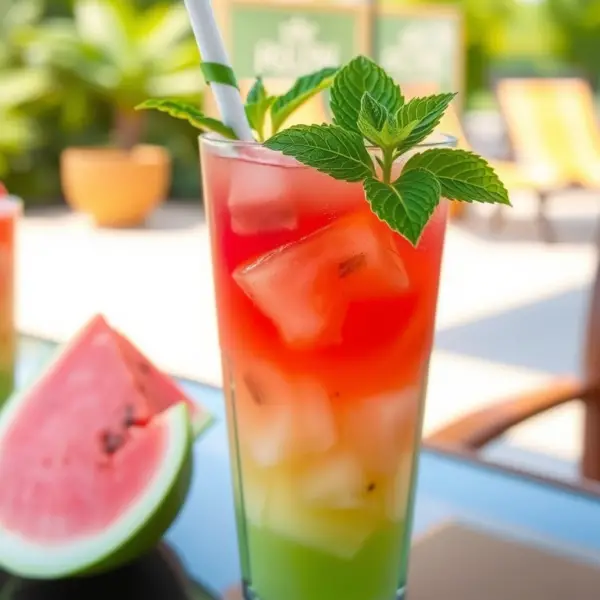
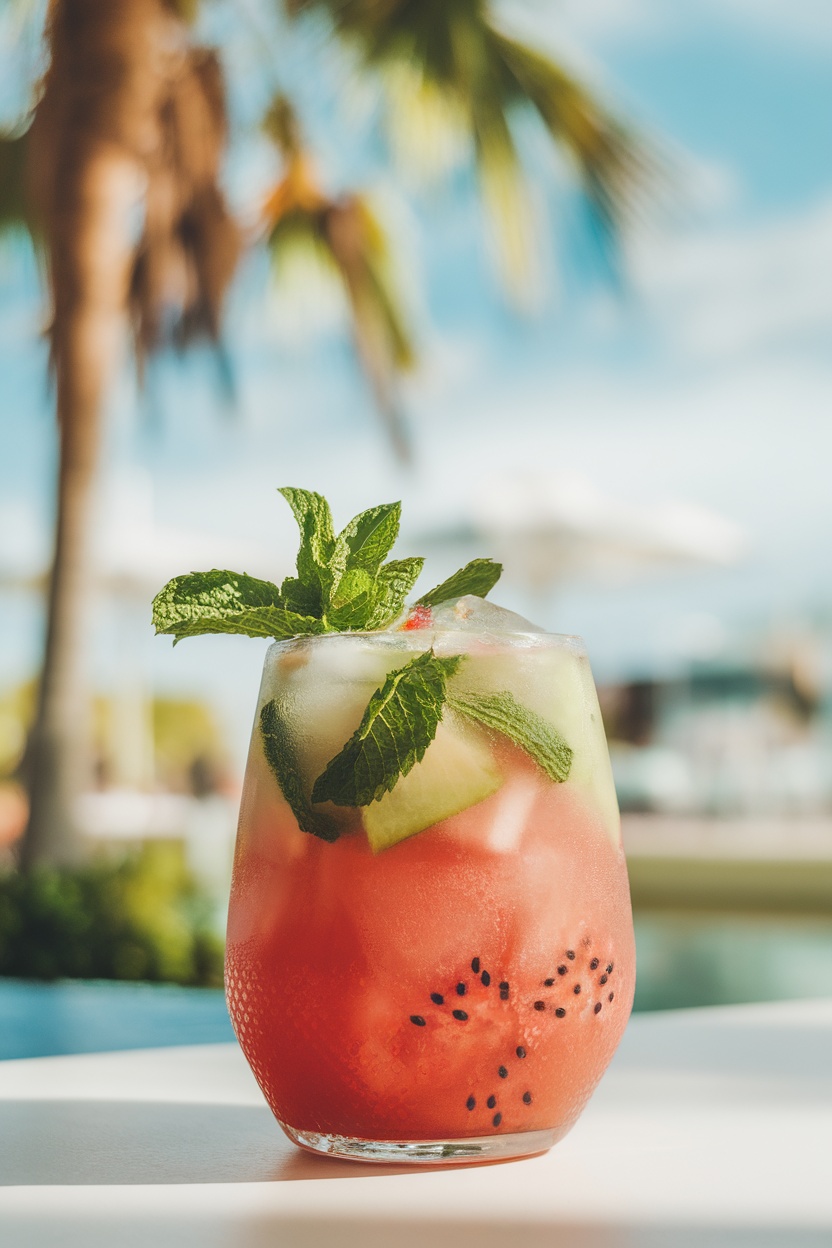
Chill Out with This Melon Palamig

A cool glass of Melon Palamig with watermelon and honeydew, garnished with mint, on a sunny patio.

The Melon Palamig is a sweet and refreshing beverage made with fresh melon, water, and a touch of sweetness. It is light, fruity, and bursting with flavor, making it a perfect drink for hot weather.

Ingredients

  • 2 cups watermelon, cubed and deseeded
  • 2 cups honeydew melon, cubed
  • 1/4 cup sugar (adjust to taste)
  • 4 cups water
  • Fresh mint leaves for garnish
  • Ice cubes

Instructions

  1. Prepare the Melons: In a blender, combine the watermelon and honeydew cubes. Blend until smooth.
  2. Sweeten the Mixture: Add sugar to the blended melon mixture and blend again until well combined.
  3. Combine with Water: In a large pitcher, combine the blended melon mixture with water. Stir well to combine.
  4. Chill and Serve: Refrigerate the mixture for at least 30 minutes to chill. Serve over ice and garnish with fresh mint leaves.

Cook and Prep Times

  • Prep Time: 10 minutes
  • Chill Time: 30 minutes
  • Total Time: 40 minutes

Nutrition Information

  • Servings: 4 glasses
  • Calories: 100kcal
  • Fat: 0g
  • Protein: 1g
  • Carbohydrates: 25g

Authentic Pancit Bihon Recipe

Pancit Bihon is a classic Filipino dish that brings family and friends together around the table. This stir-fried noodle dish combines rice noodles with a medley of vibrant vegetables and protein, making it a delicious centerpiece for any gathering. It’s a recipe that holds nostalgia and warmth, perfect for celebrations or everyday meals.

Imagine the delightful aroma of garlic, soy sauce, and fresh vegetables wafting through your kitchen as you prepare this beloved dish. With its savory flavors and satisfying texture, Pancit Bihon is not just food; it’s a celebration of Filipino culture and culinary tradition.

The Essence of Pancit Bihon

Pancit Bihon stands as a beloved staple in Filipino cuisine, often symbolizing celebration and togetherness. This stir-fried noodle dish has a way of bringing people around the table, creating an atmosphere filled with warmth and camaraderie.

At its core, Pancit Bihon is about simplicity and flavor. The combination of rice noodles and an array of colorful vegetables such as bell peppers, carrots, and cabbage creates a visual feast. With every bite, the delightful taste transports you to a place where family gatherings and joyous occasions unfold.

Vibrant Ingredients That Shine

The ingredients in Pancit Bihon are not just functional; they contribute to the dish’s vibrant character. Each vegetable brings its unique texture and flavor, enhancing the overall experience. Carrots add a subtle sweetness, while bell peppers bring a crunchy contrast. Shredded cabbage rounds out the dish with its tender yet crisp nature.

Moreover, the choice of protein—be it chicken, shrimp, or pork—provides an additional layer of richness, making every forkful satisfying. This balance of flavors and textures is what makes Pancit Bihon a favorite among many.

Aromatic Preparation

The process of making Pancit Bihon is as delightful as enjoying the final dish. The aroma of garlic and onions sizzling in oil fills the kitchen, creating an inviting atmosphere. As the vegetables are added, the medley of scents intensifies, culminating in a dish that promises deliciousness.

Stir-frying is key in this recipe, allowing the ingredients to cook quickly while retaining their freshness. The artful tossing of the noodles with soy sauce creates a beautiful sheen, further enhancing their appeal. This preparation method guarantees that each component maintains its distinct flavor.

Garnishing the Dish

Presentation plays a significant role in the enjoyment of Pancit Bihon. Garnishing with chopped green onions not only adds a pop of color but also introduces a fresh, slightly pungent note that complements the savory elements of the dish.

Resting a fork on the side invites a sense of anticipation, beckoning everyone to dig in and savor the flavors. The rustic wooden table setting adds a touch of homey charm, making the meal feel even more inviting.

A Dish for Every Occasion

Pancit Bihon is versatile and fits perfectly into various occasions. Whether it’s a festive celebration, a casual family dinner, or a gathering with friends, this dish adapts effortlessly. It encourages sharing and enjoying good company while savoring each delicious bite.

Moreover, making Pancit Bihon can be a collaborative experience. Friends and family can join in the preparation process, making it a fun activity that strengthens bonds. This aspect of cooking together is integral to the joy that Pancit Bihon brings.

Final Thoughts on Pancit Bihon

Ultimately, Pancit Bihon is more than just a meal; it embodies the spirit of Filipino culture. Its rich flavors, colorful ingredients, and communal nature make every serving a celebration. Each plate tells a story of love, tradition, and togetherness.

So whether you are enjoying it at a special occasion or simply as a comforting weeknight meal, Pancit Bihon is sure to leave a lasting impression. It’s a delicious reminder that food can indeed bridge connections and create cherished memories.

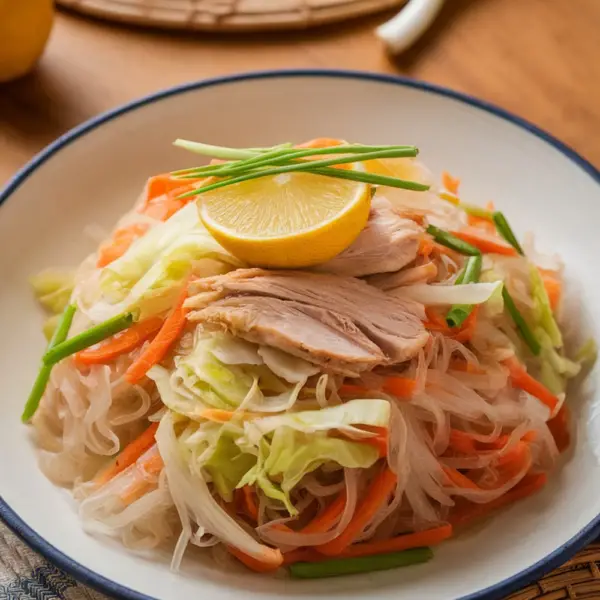
Traditional Pancit Bihon Recipe

A plate of Pancit Bihon with rice noodles, vegetables, and green onions on a rustic wooden table.

Pancit Bihon features thin rice noodles stir-fried with a colorful assortment of vegetables, such as carrots, bell peppers, and cabbage. The dish is typically enhanced with soy sauce, garlic, and your choice of protein, resulting in a savory and slightly sweet flavor profile that is both comforting and satisfying.

Ingredients

  • 8 ounces bihon (rice vermicelli noodles)
  • 2 tablespoons vegetable oil
  • 4 cloves garlic minced
  • 1 medium onion sliced
  • 1 medium carrot julienned
  • 1 bell pepper sliced
  • 2 cups cabbage shredded
  • 2 cups cooked chicken, shrimp, or pork (optional)
  • 3 tablespoons soy sauce
  • 1 tablespoon oyster sauce (optional)
  • Salt and pepper to taste
  • Chopped green onions for garnish

Instructions

  1. Prepare the Noodles: Soak the bihon noodles in warm water for about 10-15 minutes until softened. Drain and set aside.
  2. Sauté the Aromatics: In a large skillet or wok, heat the vegetable oil over medium heat. Add the minced garlic and sliced onion, sautéing until fragrant and translucent.
  3. Cook the Vegetables: Stir in the carrots and bell peppers, cooking for about 3-4 minutes until slightly tender. Add the cabbage and cooked protein (if using), and continue to stir-fry for another 2-3 minutes.
  4. Combine the Noodles: Add the soaked bihon noodles to the skillet along with soy sauce and oyster sauce. Toss everything together gently, ensuring the noodles are coated evenly with the sauce and heated through.
  5. Season and Serve: Taste and adjust the seasoning with salt, pepper, or additional soy sauce as needed. Once everything is well combined and heated, remove from heat and garnish with chopped green onions before serving.

Cook and Prep Times

  • Prep Time: 15 minutes
  • Cook Time: 20 minutes
  • Total Time: 35 minutes

Nutrition Information

  • Servings: 4 servings
  • Calories: 300kcal
  • Fat: 10g
  • Protein: 15g
  • Carbohydrates: 40g