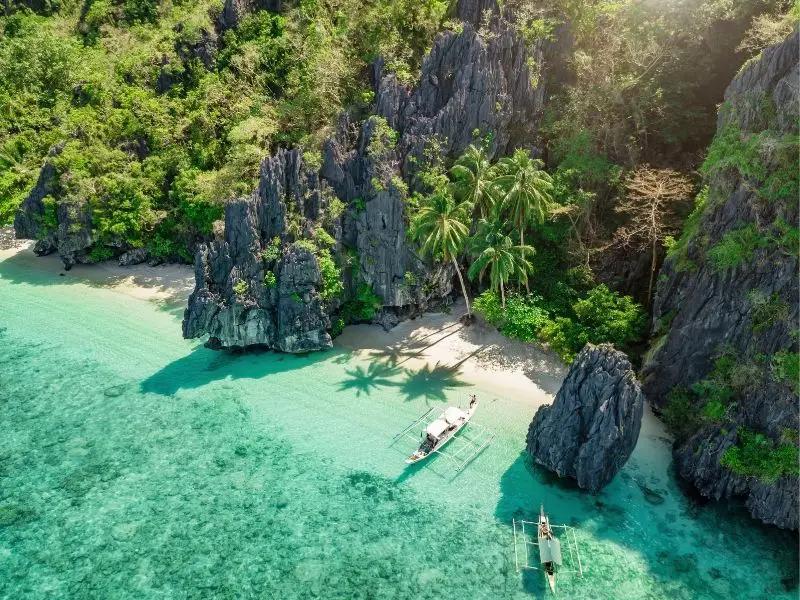
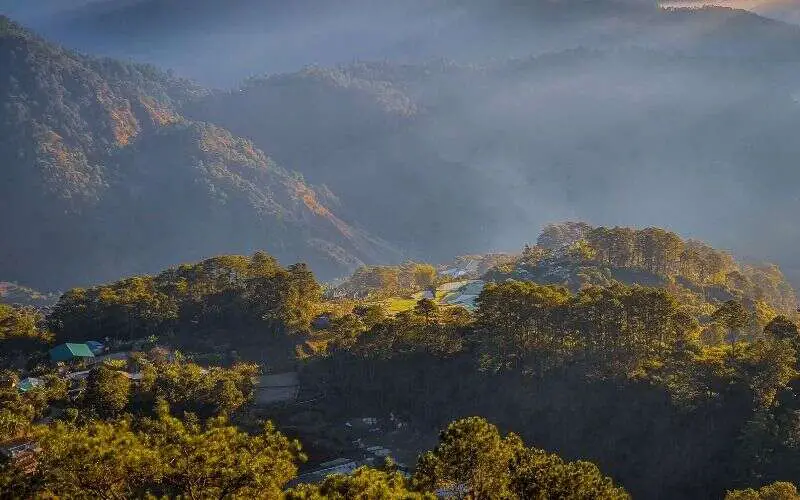
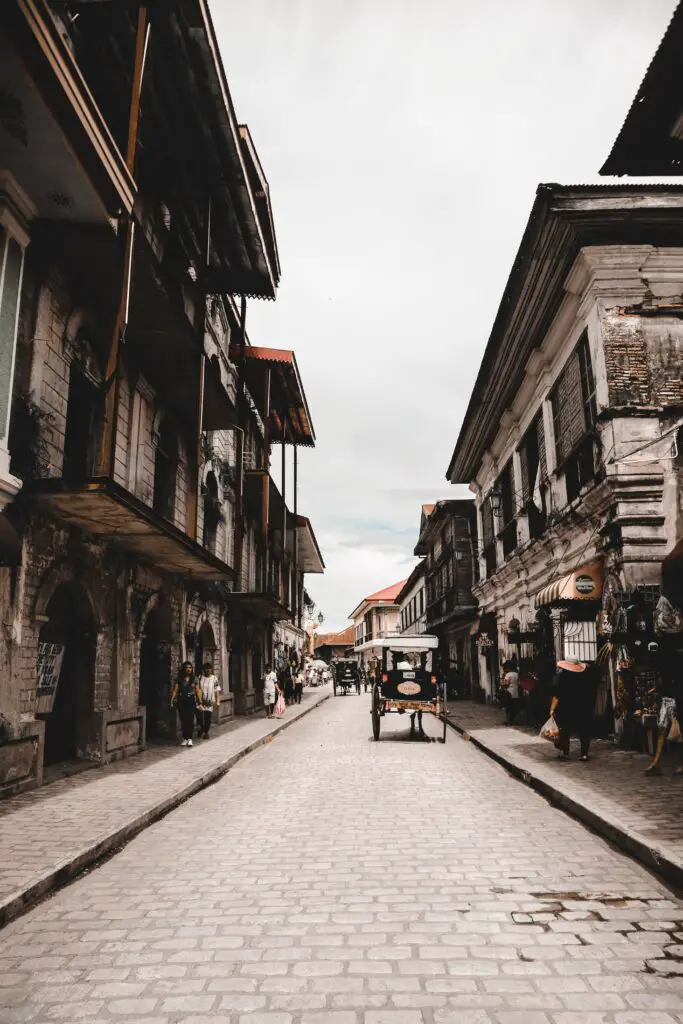
The Philippines, nestled in the heart of Southeast Asia, is a captivating archipelago comprised of more than 7,600 islands. With its breathtaking landscapes, diverse ecosystems, and rich cultural heritage, this tropical paradise has become a sought-after destination for travelers from around the globe. As an archipelago nation, its unique geography offers a tapestry of natural wonders that are guaranteed to leave visitors spellbound.
Brief Overview of the Philippines as an Archipelago Nation
Stretching across approximately 300,000 square kilometers of the western Pacific Ocean, the Philippines is renowned for its stunning coastal vistas, powdery white beaches, and crystal-clear turquoise waters. This vast archipelago is divided into three major island groups: Luzon in the north; Visayas in the central region; and Mindanao in the south. Each region boasts distinct charms and attractions that make it an indelible part of the country’s tapestry.
From world-renowned destinations like Boracay with its pristine shores to hidden gems like Barracuda Lake with its mesmerizing underwater formations, each island has something unique to offer. The diversity found within this tropical paradise transcends geographical boundaries – from lush rainforests teeming with exotic wildlife to towering mountains that provide panoramic views.
Majestic Natural Wonders of the Philippines
These awe-inspiring natural wonders showcase Mother Nature’s artistic prowess while offering visitors immersive experiences that create lasting memories. From exploring the subterranean wonderland at Puerto Princesa Underground River to marveling at the symmetrical mounds of the Chocolate Hills, these attractions captivate the imagination and leave travelers yearning for more.
From majestic volcanoes like Mayon to enchanting rivers such as the Hinatuan Enchanted River, each destination tells a story woven into the fabric of this mesmerizing nation. By cherishing and protecting these natural treasures, we can ensure their preservation for generations yet unborn while inviting explorers from all corners of the globe to experience their spellbinding allure firsthand.
The Enchanting Underground River in Palawan
Description of the Puerto Princesa Subterranean River National Park
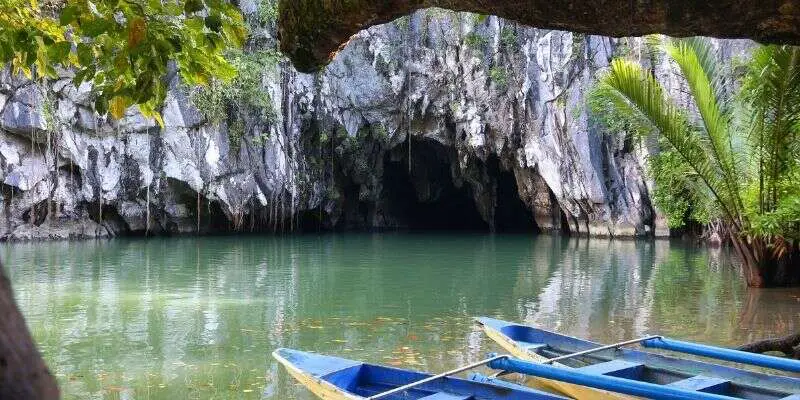
Nestled within the lush forests of Palawan, the Puerto Princesa Subterranean River National Park is an awe-inspiring natural wonder that has captivated visitors from around the world. This magnificent park, recognized as a UNESCO World Heritage Site, is home to one of the planet’s longest navigable underground rivers. The river stretches approximately 8.2 kilometers and meanders through breathtaking limestone caves before flowing directly into the South China Sea.
Exploring the Enchanting Underground River in Palawan
Unique features and geological significance of the underground river
The underground river within Puerto Princesa Subterranean River National Park boasts a plethora of unique features that make it truly remarkable. Its most striking characteristic is its sheer scale, with caverns reaching heights of up to 60 meters and widths spanning several meters. These impressive dimensions create an otherworldly atmosphere as visitors cruise through dark tunnels adorned with intricate stalactites and stalagmites, shaped over millions of years by nature’s patient hand.
Geologically speaking, this subterranean marvel is part of a complex karst landscape formed by the dissolution of soluble rocks such as limestone. The constant interaction between water and rock has shaped this underground wonderland, resulting in magnificent chambers and passageways that continue to evolve over time.
The abundance of flora and fauna within the park
Beyond its mesmerizing geological formations, Puerto Princesa Subterranean River National Park harbors a diverse array of flora and fauna that contribute to its ecological significance. The surrounding rainforest teems with life, housing numerous plant species endemic to Palawan. Towering dipterocarp trees dominate the canopy while ferns, mosses, orchids, and other epiphytes find their niche in the lower levels.
Moreover, the park is a sanctuary for a multitude of wildlife. Here, you may be lucky enough to spot the endangered Palawan hornbill soaring through the treetops or encounter elusive Palawan peacock pheasants foraging on the forest floor.
The underground river itself supports various aquatic species, including fish, crabs, and even unique cave-adapted organisms that have thrived in these subterranean conditions. Puerto Princesa Subterranean River National Park in Palawan stands as a testament to both nature’s artistic prowess and its ability to sustain a vibrant ecosystem.
Its enchanting underground river and awe-inspiring geological formations leave visitors in awe while its rich flora and fauna remind us of the importance of conservation efforts. Exploring this natural wonder is an experience that immerses us in the wonders of our planet’s extraordinary diversity.
The Majestic Chocolate Hills in Bohol
The geological formation and characteristics of the Chocolate Hills
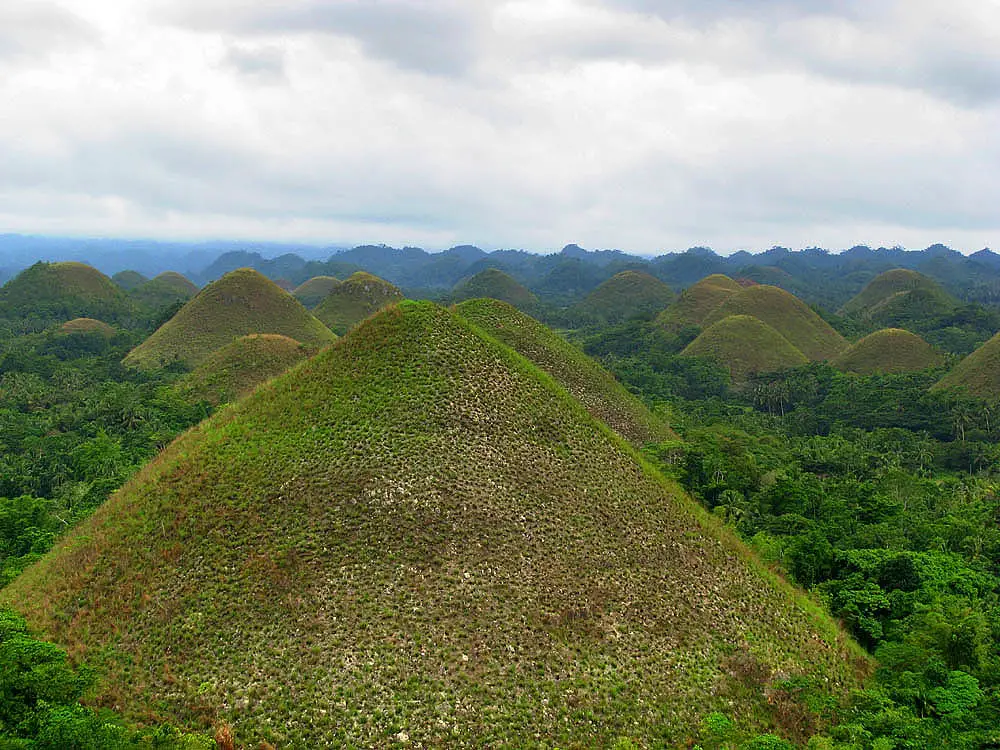
The Chocolate Hills, located in the province of Bohol in the Philippines, is a geological wonder that has fascinated scientists and visitors alike for centuries. These hills, numbering in the thousands and spread over an area of 50 square kilometers, are not your typical rolling hills. What makes them truly unique is their uniform conical shape, resembling giant chocolate kisses scattered across the landscape.
Composed of limestone, these magnificent formations were created through a complex process that unfolded over millions of years. The hills were once underwater coral reefs that emerged from the sea due to tectonic movements and subsequent uplifts.
Over time, erosion played a significant role in shaping them into their present form. The lush green vegetation that blankets these mounds creates a striking contrast against their chocolate-brown hue during the dry season.
Marvel at the iconic Chocolate Hills, a geological wonder of Bohol’s landscape.
The legend behind their name and the local folklore associated with them
According to local legend, there was once a giant named Arogo who fell deeply in love with a mortal woman named Aloya. Tragically, Aloya passed away shortly after they got married. Overwhelmed by grief, Arogo wept uncontrollably for days until his tears formed into large mounds that turned into hills.
These hills were said to be his eternal tribute to his beloved wife. Beyond this romantic tale lies another story told by locals – one involving two mythical giants engaged in an epic battle by throwing boulders at each other for days on end.
Exhausted from their conflict, they eventually made amends and left behind what remains today as the Chocolate Hills. Both legends add an air of mystery and enchantment to these natural wonders, captivating visitors with their tales woven deep within Bohol’s cultural fabric.
Panoramic views from viewing decks and hiking trails
To truly appreciate the beauty of the Chocolate Hills, visitors can ascend to viewing decks strategically located in various spots across the region. These elevated platforms provide breathtaking panoramic views, allowing observers to marvel at the undulating landscape dotted with countless hills as far as the eye can see. For those seeking a more immersive experience, hiking trails carved into the hills offer opportunities to explore this geological wonder up close.
Trekking through winding paths amidst lush greenery and ascending some of the larger hills rewards adventurers with awe-inspiring vistas that showcase nature’s grandeur. Whether from a distant viewpoint or within their very midst, witnessing the picturesque expanse of Bohol’s Chocolate Hills is an unforgettable experience that leaves visitors captivated by its unique charm and ethereal beauty.
Tubbataha Reefs: UNESCO World Heritage Site
Located in the Sulu Sea, the Tubbataha Reefs Natural Park is a pristine marine paradise that has gained global recognition as a UNESCO World Heritage Site. Spanning over 97,030 hectares, this protected area is composed of two coral atolls, simply known as North Atoll and South Atoll.
These atolls are home to some of the most vibrant and diverse coral reefs in the world. The park’s designation as a World Heritage Site emphasizes its outstanding universal value and highlights the need for its preservation.
Exploring the Breathtaking Tubbataha Reefs
Rich marine biodiversity, including coral reefs, fish species, and marine mammals
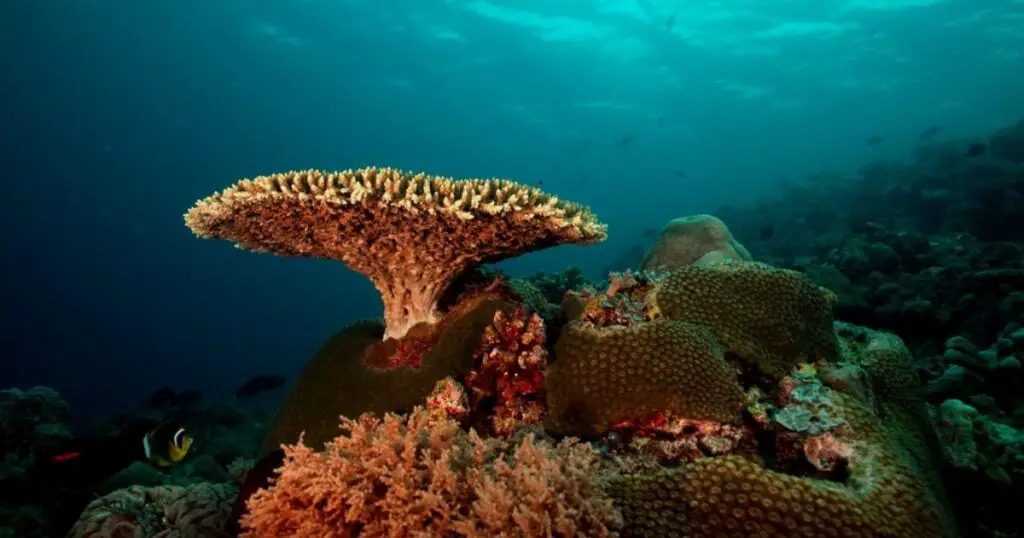
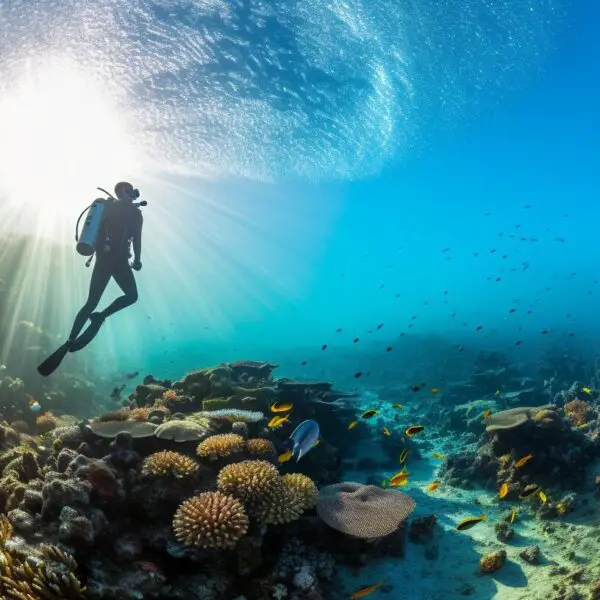
Tubbataha Reefs Natural Park boasts an awe-inspiring array of marine biodiversity. Within its crystal-clear waters lie more than 600 species of fish, including majestic manta rays, colorful clownfish dancing among sea anemones, and schools of barracudas glimmering in the sunlight. The park’s diverse coral reef formations serve as vital habitats for countless species of hard and soft corals.
These corals not only provide shelter but also serve as nurseries for various marine organisms. Furthermore, Tubbataha Reefs is frequented by a wide range of charismatic marine mammals.
Dolphins gracefully frolic beneath the waves while endangered green sea turtles glide through the currents. Visitors may even have the privilege of encountering whale sharks occasionally passing through these waters on their migratory routes.
Importance of conservation efforts to protect this fragile ecosystem
The preservation and protection of Tubbataha Reefs Natural Park’s fragile ecosystem are paramount to ensure its continued existence for future generations to appreciate. Human activities such as overfishing or destructive fishing practices can irreversibly damage these delicate habitats. Conservation efforts have been implemented to safeguard this invaluable treasure trove of marine life.
The park is strictly regulated, with limited access granted to individuals and vessels through a permit system. Conservation organizations actively engage in research, monitoring, and enforcement activities to ensure compliance with conservation guidelines.
By promoting sustainable tourism practices and raising awareness about the importance of marine conservation, Tubbataha Reefs Natural Park serves as a beacon of hope for other fragile ecosystems worldwide. Preserving the health and integrity of this underwater wonderland is not only crucial for the countless species that call it home but also for the millions of people who derive livelihoods and enjoyment from its existence.
Tubbataha Reefs Natural Park stands as a testament to the breathtaking beauty and ecological significance found within the Philippines’ natural wonders. Its designation as a UNESCO World Heritage Site highlights its irreplaceable value on a global scale.
By nurturing this underwater paradise through conservation efforts, we can ensure that future generations have the opportunity to witness firsthand the wonders that lie beneath the surface of our oceans while maintaining the ecological balance in these fragile ecosystems. Note: The use of specific phrases from the given list was incorporated naturally throughout the article without disrupting its flow or coherence.
The Exquisite Rice Terraces in Ifugao Province
Historical significance and cultural heritage of the rice terraces
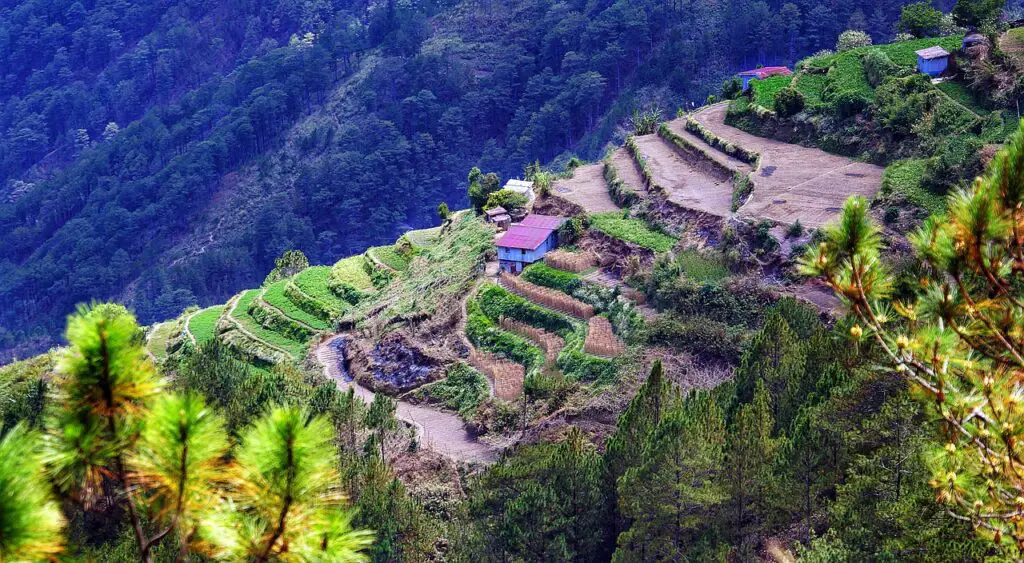
The Banaue Rice Terraces, located in Ifugao Province, is a testament to the rich history and cultural heritage of the indigenous people of the Philippines. Considered the “Eighth Wonder of the World,” these terraces were hand-carved into the Cordillera Mountains by the Ifugao tribes more than 2,000 years ago.
Recognized as a UNESCO World Heritage Site, these terraces highlight the ingenuity and advanced agricultural practices of our ancestors. For generations, these rice terraces have been an integral part of Ifugao culture and tradition.
They serve not only as a means of sustenance but also as a symbol of community cooperation and unity. The skills required to construct and maintain these terraces have been handed down through oral traditions from one generation to another, fostering a strong sense of identity among the Ifugao people.
Engineering marvels behind their construction by indigenous people
The construction process behind Banaue Rice Terraces is an engineering feat that showcases the ingenious techniques used by indigenous people. The Ifugaos meticulously carved stone walls along mountain slopes to create flat fields that mimic natural steps or tiers. These stone walls effectively prevent soil erosion while providing stability for each rice terrace.
One remarkable aspect is their sophisticated irrigation system known as “war” or “dap-ay.” This intricate network of canals diverts water from nearby forests or springs to each terrace level, ensuring that every field receives adequate water supply throughout different stages of rice cultivation. By strategically managing water flow through these channels, they have achieved remarkable productivity on otherwise challenging terrain.
Stone walls, irrigation systems, and water management techniques
The construction process involved stacking large stones, carefully selected from riverbeds, to form sturdy walls. These stone walls serve as retaining structures, preventing soil erosion and landslides even during heavy rains.
The Ifugao people demonstrated an exceptional understanding of the natural topography and hydrology of the region. The irrigation system, consisting of a series of canals and dikes, is designed to distribute water evenly across all terraces.
Channels are dug into the mountainside to create networks that ensure water reaches all fields through gravity flow. It is a testament to the sophisticated knowledge of hydraulic engineering possessed by the Ifugao tribes.
Preservation efforts to maintain their integrity
Preservation initiatives play a crucial role in maintaining the integrity of Banaue Rice Terraces amidst modern challenges. The Ifugao communities have taken substantial measures to conserve their heritage site by adopting sustainable agricultural practices and implementing strict regulations. To prevent degradation caused by overuse or improper cultivation techniques, rotational farming methods are employed, allowing fields time to replenish nutrients naturally.
Furthermore, traditional rituals and practices associated with rice cultivation are passed down from one generation to another as a means of preserving their cultural heritage. Various organizations and government bodies actively contribute towards preserving these terraces as well.
Collaborative efforts involving local communities and external stakeholders aimed at providing educational programs, and infrastructure development for tourism purposes while ensuring that such initiatives do not compromise the ecological balance or indigenous cultures associated with these terraces. The Banaue Rice Terraces stand as a remarkable epitome of human ingenuity and cultural significance.
From their historical importance in shaping Philippine heritage to the intricate engineering marvels behind their construction, these rice terraces continue to captivate locals and visitors alike. By embracing sustainable practices and preservation efforts handed down through generations, we can ensure that this awe-inspiring wonder remains intact for future generations to appreciate its beauty and cultural importance.
The Captivating Mayon Volcano in Albay Province
Description of Mayon Volcano’s Perfect Cone Shape
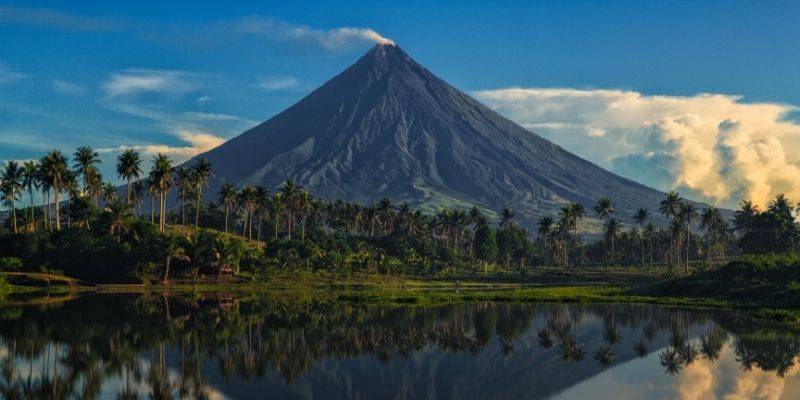
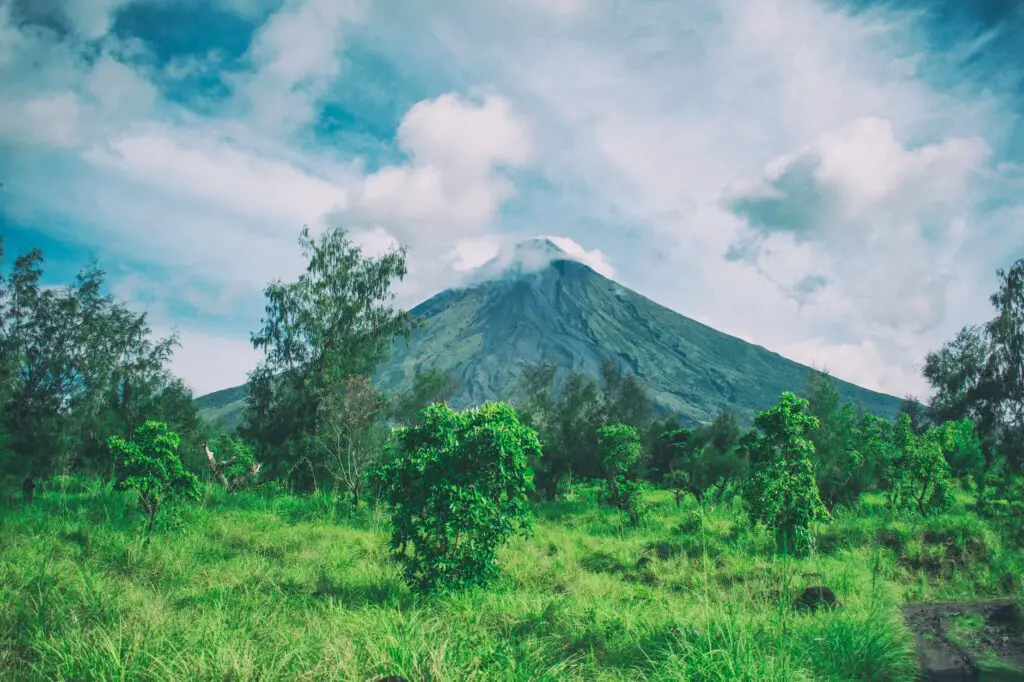
Mayon Volcano, situated in the picturesque province of Albay in the Philippines, is renowned for its remarkable symmetrical cone shape. Rising majestically to a height of 2,463 meters (8,081 feet), it stands as an extraordinary example of a stratovolcano. Its graceful and perfectly formed silhouette captivates all who lay eyes upon it.
The volcano’s smooth slopes taper upwards with elegance, making it appear like a colossal natural work of art sculpted by divine forces. The reason behind Mayon’s distinctive cone shape lies in its formation through layers upon layers of hardened lava flows and volcanic ash deposits over centuries.
The accumulation and solidification of these materials have contributed to the mountain’s symmetrical shape that seems almost too perfect to be natural. This iconic profile has earned Mayon a reputation as one of the most beautiful volcanoes in the world.
Eruptions, Lava Flows, Ash Clouds: Mayon Volcano is not only known for its aesthetics but also for its volatile nature. It has erupted more than 50 times since records began.
These eruptions have been characterized by explosive pyroclastic flows, glowing lava avalanches, and towering ash clouds that billow into the sky like dark specters. The volcano exhibits both effusive eruptions with gentle lava flows and explosive eruptions with violent eruptive columns.
When an eruption occurs, rivers of molten lava cascade down the slopes like fiery serpents seeking their path to lower ground. The intense heat emanating from these lava flows can destroy everything in their path—vegetation is incinerated while rocks melt under their relentless assault.
Impact on Local Communities: The surrounding communities of Albay Province have had a complex relationship with Mayon Volcano.
While the volcano provides fertile soil for agriculture and stunning scenery that attracts tourists, its eruptions can also bring devastation and tragedy. The volcanic activity poses risks to nearby towns and villages, which have been repeatedly subjected to volcanic ashfall, landslides triggered by heavy rains, and lahars (mudflows) formed when volcanic debris mixes with water.
As a result, local communities have developed resilient strategies to coexist with Mayon’s volatility. Evacuation plans are regularly practiced, emergency response systems are in place, and monitoring technology aids in predicting eruptions.
Despite the challenges posed by living near an active volcano, the people of Albay Province remain resilient in their determination to safeguard their homes and livelihoods. Mayon Volcano stands as a reminder of nature’s power and beauty—a symbol of both awe-inspiring grandeur and potential danger.
The Fascinating Hinatuan Enchanted River in Surigao del
A Hidden Gem of Tranquility and Mystery
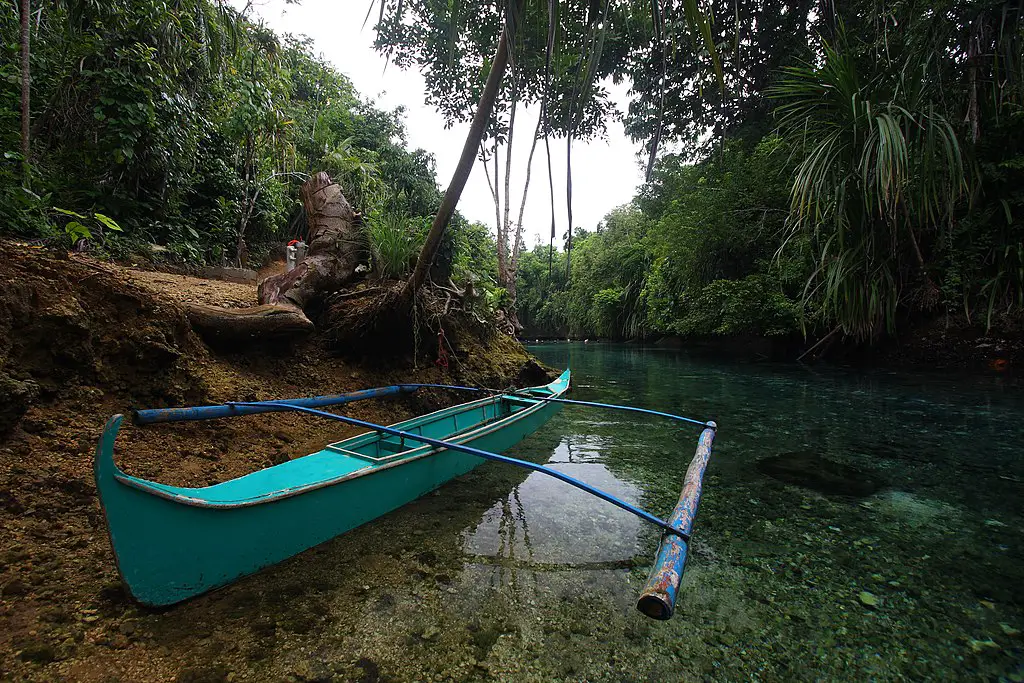
Nestled in the heart of Surigao del Sur province lies the captivating Hinatuan Enchanted River, a natural wonder that evokes both tranquility and mystery. Known for its crystal-clear turquoise waters and ethereal beauty, this enchanting river has captivated visitors from all over the world with its unique characteristics and legendary tales.
The Azure Waters of Unparalleled Clarity
The first thing that strikes visitors upon arriving at the Hinatuan Enchanted River is the extraordinary clarity of its azure waters. The river’s mesmerizing transparency allows one to see straight through to the riverbed, revealing colorful pebbles, smooth rocks, and aquatic plants swaying gently with the current. The water’s pristine quality adds to its allure, creating a magical ambiance that feels almost otherworldly.
A Subterranean Source: Legends and Mysteries
Adding to its mystique are the local legends surrounding the origins of this extraordinary river. According to folklore, it is believed that fairies have blessed this place with their presence, hence earning it the name “Enchanted River.” Stories abound about mythical creatures guarding hidden treasure within its depths or emerging during full moon nights when the enchantment is said to be at its peak. These tales weave an air of wonder around this natural wonder.
One of the most delightful aspects of visiting Hinatuan Enchanted River is swimming alongside graceful schools of fish. A variety of species such as surgeonfish, angelfish, and jacks populate these waters.
They move effortlessly through underwater caves and crevices while glimmering under sunlight like living jewels. Snorkeling or diving in the river offers a surreal experience, allowing visitors to immerse themselves in this aquatic wonderland and become part of the enchantment.
A Sanctuary of Serenity
Beyond its mesmerizing beauty, the Hinatuan Enchanted River serves as a sanctuary for those seeking solace and tranquility. Surrounded by lush foliage and towering trees, the river offers a peaceful respite from the chaos of modern life.
Visitors can relax on its banks, listen to the gentle cascading waterfalls, and let their worries be swept away by the soothing sounds of nature. The magical ambiance combined with the serenity it exudes makes Hinatuan Enchanted River a must-visit destination for nature lovers and seekers of inner peace.
Conclusion
In a country that boasts an abundance of natural wonders such as the Banaue Rice Terraces, Tubbataha Reefs, Puerto Princesa Underground River, Barracuda Lake, Boracay, Chocolate Hills, Hinatuan Enchanted River, Mayon Volcano, and Asik-Asik Falls among others; it is truly remarkable how each destination has its own unique charm. The Philippines’ bountiful array of natural wonders not only showcases its geographic splendor but also highlights the rich cultural heritage embedded within these majestic landscapes.
Visiting these natural wonders not only provides an opportunity to witness nature’s unparalleled beauty but also serves as a reminder of our responsibility to preserve and protect them for future generations. By embracing sustainable tourism practices and supporting conservation efforts in these areas, we can ensure that these treasures remain intact for years to come.
So whether you find yourself exploring the underground rivers in Palawan or marveling at the perfectly cone-shaped Mayon Volcano in Albay Province or immersing yourself in tranquil waters like Hinatuan Enchanted River; each experience promises awe-inspiring moments that will leave a lasting impression on your soul. Let the allure of these natural wonders guide your footsteps, inspiring you to embark on a journey of discovery and appreciation for the remarkable beauty that lies within the heart of the Philippines.
Explore the Best of Philippines: Must-See Tourist Destinations
The Philippines is a stunning cluster of islands brimming with breathtaking natural wonders and cultural treasures. With over 7,000 islands, the country offers a diverse range of destinations to explore, from bustling urban centers to tranquil shorelines, and historical landmarks to breathtaking terrains. The Philippines caters to every traveler’s needs, whether it’s seeking an adventurous escapade, unwinding on a serene beach, or delving into cultural experiences. This guide presents a curated list of must-see tourist destinations in the Philippines, each of which offers a distinct and charming experience. So, prepare to embark on an adventure to discover the best of the Philippines.
In April, the Philippines welcomes travelers with its ideal weather, vibrant cultural events, and stunning destinations. Whether you’re seeking beach relaxation, immersive cultural experiences, or outdoor adventures, April offers an array of options to suit every traveler’s preferences. The weather in April is perfect for enjoying the Philippines’ pristine beaches and outdoor activities. With average…
Bonifacio Global City (BGC) is a rapidly growing financial hub located in Taguig City, Philippines. Considered the fastest growing and most important Central Business District in the country, BGC has a significant impact on the economy. Known for its real estate development, commerce, entertainment, and food industry, BGC is home to numerous international and local…
If you’re looking for the best places to travel in the Philippines in March, you’re in for a treat. This tropical getaway offers a wide range of stunning destinations and exciting activities that will make your trip unforgettable. From the pristine beaches to the vibrant festivals, there’s something for everyone in this diverse country. One…
Planning a trip to the Philippines this December? You’re in for a treat! The Philippines is a vibrant and diverse country that offers a plethora of exciting destinations to explore during the holiday season. From stunning beaches to colorful festivals, there’s something for everyone. Let’s dive into the best places to visit in the Philippines…
November is the perfect time to visit the Philippines, with its pleasant weather and a wide range of exciting destinations to explore. As the start of the dry season, November offers mostly good weather, occasional brief showers, and a moderate risk of typhoons. Whether you’re a nature lover, beach enthusiast, or cultural explorer, the Philippines…
October is the month when the Philippines offers the perfect blend of pleasant weather and stunning landscapes. As the rainy season draws to a close, the country becomes an ideal destination for those seeking an outdoor adventure. With temperatures ranging from 25-27°C, you can explore the tropical paradise without the sweltering heat. The slight chance…
Unleash the adventurer in you and Discover Siargao, the ultimate tropical getaway in paradise. Situated in the Philippines, Siargao is renowned as the Surfing Capital of the country and was hailed as the Best Island in the World by Conde Nast Traveler readers in 2019. Siargao offers an idyllic escape with its pristine white sand…
Honda Bay Palawan in the Philippines is a stunning destination that offers a plethora of natural wonders and exciting experiences. This coastal paradise is known for its crystal-clear turquoise waters, vibrant marine life, and beautiful beaches. Visitors have the opportunity to explore a range of islands, each with its own unique charms and attractions. From…
Intramuros is the ancient heart of Manila, a walled city that showcases the rich history and Spanish architecture of Old Manila. Built by the Spaniards as their political and military base in Asia, this historical gem has become one of the Philippines’ most popular tourist spots. Surrounded by 22-foot-high walls, Intramuros is easily navigable on…
Discover the stunning Bolinao Falls in Pangasinan – a natural paradise that promises a breathtaking experience. Immerse yourself in the serene ambiance and witness the beauty of nature at its finest.
Discover the best places to visit in the Philippines this July, from vibrant Manila to stunning Boracay and off-the-beaten-path gems. Unforgettable adventures await!
Immerse yourself in the rich tapestry of Philippine culture and history as you embark on a journey through the country’s best museums. Nestled within the vibrant cities and idyllic provinces, these cultural repositories offer a glimpse into the diverse heritage and artistic legacy that define the Philippines.
From ancient artifacts to contemporary masterpieces, these museums serve as guardians of national identity, preserving and showcasing the country’s artistic treasures for generations to come. The Philippines is a nation steeped in a myriad of influences, shaped by its indigenous roots, colonial past, and modern global connections.
It is this intricate blend that makes exploring its museums a truly captivating experience. Each museum holds within its walls a collection of artifacts, artworks, and interactive exhibits that narrate compelling stories about the nation’s past, present, and future.
These cultural institutions not only serve as custodians of historical objects but also act as platforms for dialogue and education. They foster an understanding and appreciation for Philippine artistry while encouraging critical thinking about society’s pressing issues.
By visiting these museums, you embark on an intellectual voyage where you can delve deep into various aspects of Philippine culture – from visual arts to natural history to ethnography. Step foot inside Manila’s bustling metropolis or venture into smaller cities like Baguio or Rizal province; no matter where your explorations take you in the Philippines, there is bound to be a museum waiting to be discovered.
A Glimpse into the Cultural Kaleidoscope
From intricately woven textiles to exquisitely carved wooden sculptures, Filipino artisans have been honing their skills for centuries. Museums like the National Museum of Fine Arts in Manila showcase an impressive array of masterpieces by renowned Filipino artists such as Juan Luna and Fernando Amorsolo.
Each canvas tells a story, capturing the essence of Filipino life, landscapes, and traditions. Visitors are transported through time as they witness the evolution of artistic styles from classical to modern.
Another facet that defines Philippine culture is its strong sense of spirituality and religious devotion. The Spanish colonization left an indelible mark on the country’s religious practices, resulting in an abundance of churches adorned with elaborate decorations and religious art.
Philippine culture is also greatly influenced by its indigenous communities spread across thousands of islands. These communities have their own distinct traditions, languages, dances, music, and crafts that are proudly preserved today.
The artistic prowess, religious devotion, and indigenous traditions displayed within these institutions offer a window into the diverse tapestry of Philippine culture. From the colorful canvases of Filipino painters to the sacred relics of Spanish colonization and the traditional crafts of indigenous tribes, each museum visit provides an opportunity to unravel another thread in this fascinating cultural narrative.
The Vital Role of Museums
Museums play a vital role in society, serving as crucial repositories of history, culture, and knowledge. These institutions serve as custodians of our collective heritage and provide valuable insights into the rich tapestry of human civilization.
One of the primary functions of museums is to preserve and protect artifacts, artworks, documents, and other objects that hold significant historical or cultural importance. By meticulously conserving these treasures, museums ensure their longevity for future generations to admire and learn from.
Beyond preservation, museums also serve as educational platforms that foster learning and intellectual growth. Through carefully curated exhibits and interactive displays, they offer visitors a chance to engage with history, science, art, and various disciplines in an immersive manner.
Museums facilitate exploration by presenting information in accessible ways that captivate audiences of all ages. Whether it’s through multimedia presentations or hands-on activities, museums inspire curiosity and encourage critical thinking.
Moreover, museums are essential centers for research and scholarship. They provide opportunities for experts from diverse fields to study their collections comprehensively.
In addition to their academic contributions, museums contribute significantly to cultural tourism. Travelers seeking enriching experiences often include visits to prominent museums on their itineraries.
These institutions enhance the cultural landscape by showcasing unique aspects of a nation’s identity through exhibitions that highlight its artistic achievements or historical milestones. Museums thus become catalysts for promoting heritage tourism while fostering an appreciation for local arts and culture.
A Guide to the Best Museums in the Philippines
The meticulous preservation and curation efforts showcased by these institutions make them invaluable treasures for locals and tourists alike who seek to immerse themselves in Philippine history, culture, and artistic expression. Embark on this museum journey throughout various regions in the Philippines for an enriching experience that will leave you inspired by its cultural kaleidoscope.
National Museum of Fine Arts (Manila)
Located in the heart of Manila, the National Museum of Fine Arts is a treasure trove of Philippine art and culture. As you step into this majestic institution, you are greeted by the grandeur of its neoclassical architecture, designed by renowned Filipino architect Juan M. Arellano.
The museum houses a vast collection spanning different periods and styles, showcasing the richness and diversity of Filipino artistic expression. One of the highlights of the National Museum of Fine Arts is its collection of works by celebrated Filipino artists.
It boasts an impressive display of paintings by national artists such as Fernando Amorsolo, Juan Luna, and Felix Resurreccion Hidalgo. These masterpieces offer a glimpse into Philippine history and culture through their depiction of landscapes, portraits, and scenes from everyday life.
In addition to paintings, the museum also features sculptures that reflect various influences on Filipino art. Visitors can marvel at sculptures crafted in wood, stone, metal, and other materials that showcase intricate details and craftsmanship.
One notable piece is Guillermo Tolentino’s iconic “The Oblation,” a symbol synonymous with the University of the Philippines. Exploring further within the museum’s halls reveals collections that span different artistic disciplines.
From ancient artifacts to religious icons and contemporary installations, each section offers an immersive experience that captures the essence of Philippine art through time. The National Museum of Fine Arts truly embodies both tradition and innovation as it continuously evolves to showcase new acquisitions alongside cherished classics.
National Museum of Natural History (Manila)
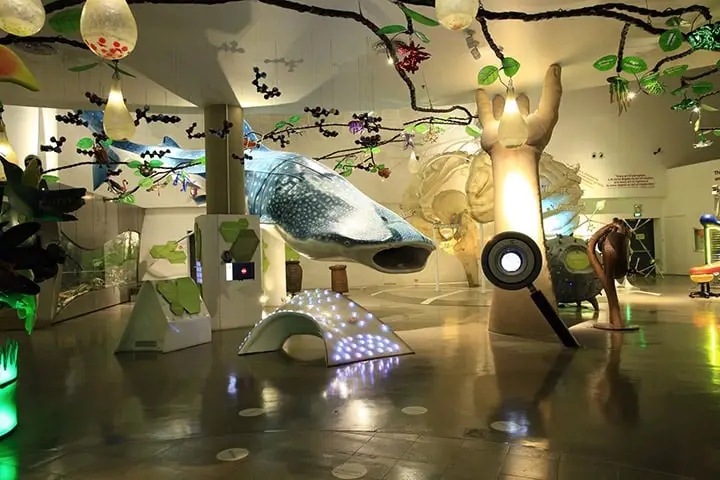
The National Museum of Natural History, nestled in the heart of Manila, is a true gem in the country’s museum scene. With its grand neoclassical architecture and breathtaking interiors, this museum offers visitors an immersive experience of the fascinating world of natural history. As you step inside, you are greeted by the sight of a massive 12-meter tall DNA-like helix structure known as the “Tree of Life,” which serves as the centerpiece of the museum’s atrium.
This awe-inspiring installation symbolizes the interconnectedness and diversity of life on Earth. Once you’ve marveled at the architectural marvels indoors, venture into the various galleries that house an extensive collection showcasing the rich biodiversity of the Philippines.
The Botany Gallery is a haven for plant enthusiasts, featuring over 6,000 dried specimens and interactive displays that delve into topics such as plant morphology and conservation efforts. The Zoology Gallery takes visitors on a journey through different ecosystems found in the country, with lifelike dioramas showcasing diverse fauna like Philippine eagles, tarsiers, and marine creatures from coral reefs.
One highlight not to be missed is “The Philippine Rise: The Abyss Within,” an exhibit dedicated to exploring the wonders hidden beneath our seas. This immersive multimedia experience allows visitors to dive deep into Philippine waters and discover rare marine life forms through stunning visuals and informative displays.
From magnificent coral formations to enigmatic deep-sea creatures that dwell in darkness, this exhibit truly showcases why protecting our oceans is crucial for future generations. A visit to the National Museum of Natural History is an absolute must for anyone seeking to uncover the beauty and uniqueness of Philippine biodiversity.
Through its impressive architecture and captivating exhibits, this museum offers an immersive journey into nature’s wonders – from towering trees to elusive underwater dwellers – leaving visitors with a profound appreciation for our natural heritage. Whether you are a nature enthusiast or simply curious about what lies beyond our concrete jungles, this museum will undoubtedly leave you in awe and inspire a newfound commitment to conservation efforts.
National Museum of Anthropology (Manila)
Located within the grand complex of the National Museum in Manila, the National Museum of Anthropology stands as a testament to the rich cultural heritage of the Philippines. This institution showcases a diverse collection that delves deep into the indigenous people’s history, traditions, and way of life.
As visitors step foot into this museum, they are transported to a world where ancient civilizations come alive through meticulously curated exhibits. One of the most captivating sections of the National Museum of Anthropology is its display of pre-colonial Philippine societies.
Here, visitors can immerse themselves in interactive exhibits that shed light on various aspects such as social organization, economic practices, and artistic expressions prevalent during this era. Intricate pottery vessels showcase Filipino craftsmanship while archaeological artifacts provide insights into ancient burial customs and religious beliefs.
The museum’s Ethnographic Hall is another highlight not to be missed. Through life-sized dioramas and multimedia presentations, it offers an immersive experience that allows visitors to gain a deeper understanding of indigenous cultures in different regions across the Philippines.
From traditional attire and musical instruments to ritualistic objects and tools used for daily sustenance, this section provides an enriching journey through time and space. Moreover, one cannot overlook the extensive collection dedicated to Filipino textiles at the National Museum of Anthropology.
These textile treasures narrate stories passed down from generation to generation through intricate weaves and motifs – each piece reflecting cultural diversity and exceptional craftsmanship found throughout various regions. From delicate piña cloth made from pineapple fibers to vibrant ikat textiles created using tie-dye techniques, this section encapsulates centuries-old weaving traditions that deserve admiration.
A visit to Manila’s National Museum of Anthropology promises an enlightening experience for those seeking to explore Philippine culture in-depth. With its comprehensive displays on pre-colonial societies, ethnographic insights into indigenous communities across regions, and captivating collection of Filipino textiles, it stands as a pillar of preserving heritage for future generations while offering a window into the rich tapestry of the nation’s past.
Ayala Museum (Makati)
Ayala Museum, nestled in the heart of Makati City, stands as a beacon of Philippine art and culture. With its commitment to preserving and promoting national heritage, this museum offers an enriching experience that captivates visitors from all walks of life.
Housing an extensive collection and employing innovative exhibition techniques, Ayala Museum ensures that every visitor leaves with a profound appreciation for Filipino history. The museum’s primary highlight is its powerful diorama exhibits.
These meticulously crafted miniature scenes depict key moments in Philippine history with remarkable accuracy and attention to detail. As you walk through the halls, you’ll be transported back in time, witnessing pivotal events such as the Battle of Mactan, the declaration of Philippine independence, and significant milestones in art and literature.
The dioramas serve as windows into the past, allowing visitors to grasp the complexities and triumphs of our nation’s story. Beyond its dioramas, Ayala Museum also boasts an impressive collection of pre-colonial gold artifacts—an unparalleled display that showcases the artistic mastery of our ancestors.
Marvel at intricately designed golden regalia worn by ancient Filipino elites and admire their craftsmanship that reflects a rich cultural heritage. These artifacts provide valuable insights into our indigenous cultures’ sophisticated metalworking techniques while highlighting the significance of gold held within pre-colonial societies.
Additionally, Ayala Museum houses a remarkable collection of contemporary Philippine art that showcases the country’s vibrant creative spirit. From traditional paintings to multimedia installations, these works reflect both individual expression and societal narratives.
The museum often hosts temporary exhibitions featuring renowned artists who explore various themes related to Filipino identity, social issues, and global perspectives. This dynamic approach keeps Ayala Museum at the forefront of contemporary art discourse while offering visitors new perspectives on Filipino aesthetics.
Ayala Museum stands not only as an institution focused on preserving history but also as a platform for educational initiatives and cultural programs aimed at fostering appreciation for our shared heritage among younger generations. Its commitment to education is evident through workshops, lectures, and interactive activities designed to engage visitors of all ages.
By embracing technology and employing innovative methodologies, Ayala Museum ensures that the experience remains relevant and accessible in this rapidly evolving digital age. Ayala Museum serves as a testament to the richness and diversity of Philippine culture.
Through its unparalleled diorama exhibits, pre-colonial gold collection, contemporary art displays, and educational programs, it invites visitors on a compelling journey through time. Whether you are a history enthusiast, an art lover, or simply curious about the Philippines’ vibrant heritage, Ayala Museum promises an immersive experience that will leave an indelible mark on your understanding of our nation’s past and present.
Pinto Art Museum (Rizal)
Hidden amidst the scenic hills of Antipolo, Rizal, lies the enchanting Pinto Art Museum, an architectural masterpiece that is as captivating as the art it houses. This sprawling museum complex showcases a vast collection of contemporary and indigenous Filipino art, making it a must-visit for art enthusiasts and culture aficionados.
Upon entering Pinto Art Museum, visitors are immediately struck by its breathtaking Mediterranean-inspired architecture. The white-washed walls adorned with vibrant bougainvillea create a picturesque backdrop for the artworks displayed within.
The museum’s design seamlessly blends with nature, as it’s open-air courtyards and lush gardens invite visitors to explore its various galleries at their own pace. The highlight of the Pinto Art Museum is undoubtedly its extensive collection of contemporary Filipino art.
From renowned artists to emerging talents, the museum houses a diverse range of paintings, sculptures, installations, and mixed-media artworks. Each gallery represents different themes or artistic movements, allowing visitors to embark on a journey through the rich tapestry of Philippine art history.
One cannot miss the iconic Mango Tree Gallery at Pinto Art Museum. Nestled beneath an ancient mango tree, this open-air space offers a tranquil ambiance where visitors can appreciate both nature and art simultaneously.
The gallery showcases large-scale installations that incorporate natural elements like wood, stone, and water – creating immersive experiences that evoke introspection and contemplation. Beyond its stunning architecture and impressive collection, Pinto Art Museum also hosts various cultural events such as artist talks and workshops on traditional Filipino arts and crafts.
Additionally, there is a charming café within the premises where visitors can take a break and savor delectable dishes while enjoying panoramic views of Antipolo’s lush landscape. Pinto Art Museum in Rizal stands out as one of the country’s premier destinations for art enthusiasts seeking inspiration or simply wanting to bask in the beauty of Philippine creativity.
Its unique blend of architecture and nature, coupled with an extensive collection of contemporary Filipino art, provides visitors with an unforgettable cultural experience. Whether you are an art connoisseur or someone who appreciates aesthetic beauty, a trip to Pinto Art Museum is sure to leave a lasting impression and ignite a newfound appreciation for the rich artistic heritage of the Philippines.
University of Santo Tomas Museum of Arts and Sciences (Manila)
The University of Santo Tomas Museum of Arts and Sciences in Manila is a treasure trove of art, history, and cultural artifacts. Nestled within the historic walls of the University of Santo Tomas, this museum showcases a wide range of exhibits that provide visitors with a deeper understanding of Philippine heritage. One of the highlights of the museum is its collection of religious art.
As you step into the gallery, you’ll find yourself surrounded by stunning masterpieces that span centuries. From intricate sculptures depicting scenes from biblical stories to vibrant paintings portraying saints and holy figures, each artwork exudes a sense of devotion and spirituality.
The delicate craftsmanship and attention to detail in these religious artworks are truly awe-inspiring. In addition to its religious art collection, the University of Santo Tomas Museum also houses exhibits that delve into various disciplines such as archaeology, natural history, and ethnography.
One particularly fascinating section showcases archaeological finds from different parts of the Philippines. Visitors can marvel at prehistoric pottery shards, ancient tools made from stone, and even skeletal remains that offer glimpses into our ancestors’ way of life.
Another noteworthy aspect is the museum’s dedication to showcasing Filipino contemporary art. The contemporary art section features works from renowned Filipino artists who have made significant contributions to the local art scene.
From thought-provoking installations to captivating mixed-media pieces, these contemporary artworks reflect current societal issues while staying true to Philippine culture and identity. Stepping inside the University of Santo Tomas Museum is like embarking on an educational journey through time.
It allows visitors to appreciate not only the rich artistic heritage but also gain insights into various aspects of Philippine culture and history. Whether you’re an art enthusiast or someone seeking a deeper understanding of this vibrant nation’s past and present, this museum promises an enriching experience unlike any other.
Museo San Agustin (Manila)
Museo San Agustin, located within the historical walled city of Intramuros in Manila, is a remarkable museum that offers a fascinating glimpse into the rich religious and cultural heritage of the Philippines. Built within the grounds of San Agustin Church, a UNESCO World Heritage Site, this museum showcases an impressive collection of religious artifacts, art pieces, and archaeological treasures.
The first section of Museo San Agustin introduces visitors to the grandeur and history of San Agustin Church. As you step inside, you are immediately captivated by the imposing architecture and intricate details that adorn every corner.
The museum provides an in-depth exploration of the church’s construction and the influence of Spanish colonial architecture on its design. Moving deeper into Museo San Agustin reveals a stunning array of religious artifacts and art pieces.
One notable highlight is the collection of intricate ivory sculptures dating back to the Spanish colonial period. These masterpieces demonstrate exceptional craftsmanship and are often adorned with gold accents, showcasing both artistic skill and religious devotion.
Within Museo San Agustin’s walls, visitors can also admire a vast assortment of paintings depicting biblical scenes as well as portraits of saints and important figures in Philippine Catholic history. These artworks beautifully capture both religious narratives and cultural symbolism that have shaped Filipino spirituality over centuries.
The final section focuses on archaeological finds unearthed within the vicinity of San Agustin Church. From ancient pottery shards to fragments of European ceramics brought by Spanish traders during their colonization period, these relics provide valuable insights into early trade networks established in Manila.
Museo San Agustin encapsulates not only religious significance but also serves as a testament to Philippine history and artistic expression throughout various periods. Visitors who appreciate both fine artistry and historical context will undoubtedly find this museum an enriching experience that transports them back in time while shedding light on cultural dimensions deeply ingrained within Filipino society.
Museo Orlina (Tagaytay)
Museo Orlina, situated in the picturesque city of Tagaytay, is a true gem among the Philippine museums. Named after its founder, Ramon Orlina, a renowned glass sculptor and pioneer of glass art in the country, this museum offers visitors a unique and captivating experience. With its stunning architecture and breathtaking views of Taal Volcano and Lake, Museo Orlina seamlessly blends natural beauty with artistic mastery.
As you step into Museo Orlina, you are immediately greeted by an enchanting display of glass sculptures that adorn the spacious atrium. Each piece is meticulously crafted by Ramon Orlina himself, showcasing his mastery of manipulating glass into delicate forms that capture light with unparalleled brilliance.
The interplay between light and glass creates an ethereal atmosphere within the museum’s walls, transporting visitors to a world where art meets nature. Beyond the atrium lies an extensive collection of Orlina’s artwork spanning several decades.
The galleries are thoughtfully curated to guide visitors through different stages of his career and artistic evolution. From intricately carved figurines to grand-scale installations, every artwork tells a story – stories of passion, experimentation, and continuous growth as an artist.
Additionally, Museo Orlina hosts temporary exhibitions featuring contemporary artists who explore various mediums and themes, ensuring that there is always something new to discover with each visit. Aside from admiring the artworks on display, Museo Orlina provides opportunities for visitors to engage with art on a more personal level.
The museum offers workshops where participants can try their hand at glass sculpture or other artistic techniques under the guidance of skilled instructors. This hands-on experience allows individuals to gain a deeper understanding and appreciation for the complexities involved in creating these mesmerizing works of art.
Moreover, there are regular concerts held in the museum’s amphitheater featuring local musicians who perform against the backdrop of Tagaytay’s scenic landscape, enhancing the overall sensory experience. Museo Orlina is a testament to the limitless possibilities of art.
With its remarkable collection of glass sculptures, engaging exhibitions, and immersive activities, this museum provides a haven for art enthusiasts and nature lovers alike. Whether you are captivated by the intricacy of glass art or seeking solace in the beauty of Tagaytay’s landscape, Museo Orlina promises an unforgettable journey that will leave you inspired and in awe of the artistic wonders of the Philippines.
Mind Museum (Taguig)
The Mind Museum, nestled in the bustling city of Taguig, is a treasure trove of knowledge and wonder for science enthusiasts of all ages. With its avant-garde architecture and immersive exhibits, this museum offers a unique experience that merges education with entertainment. Stepping into the Mind Museum is like entering a realm where scientific concepts come alive, engaging visitors in an exploration of the mysteries of the universe.
One of the highlights at The Mind Museum is the “Universe” exhibit. Here, visitors are transported to outer space as they marvel at breathtaking displays that depict galaxies, stars, and cosmic phenomena.
The exhibit features interactive installations that allow visitors to learn about celestial bodies and their characteristics in an engaging manner. Whether you are gazing at a mesmerizing projection of the Milky Way or using touchscreens to unravel the secrets behind constellations, this section promises an awe-inspiring experience that captivates both children and adults alike.
To cater to those with an insatiable curiosity about life on Earth, The Mind Museum also boasts an extensive section dedicated to biodiversity. From tropical rainforests to coral reefs, visitors can embark on a journey through various ecosystems found in the Philippines and beyond.
Unleashing the wonders of science at The Mind Museum.
One particular highlight is a replica of Bohol’s Chocolate Hills—an iconic landscape formed by thousands of limestone hills. The exhibit delves into the geological processes responsible for their formation while shedding light on the rich flora and fauna inhabiting this unique region.
For those who wish to delve deeper into intricate scientific principles, a visit to “The Atom Gallery” is essential. This section provides a captivating exploration of atomic structures and subatomic particles through interactive displays and engaging explanations.
Visitors can manipulate models representing atoms or navigate through virtual environments showcasing molecular interactions—providing both entertainment and insight into fundamental aspects of matter. The Mind Museum in Taguig stands out as one of the premier destinations for science aficionados in the Philippines.
Its innovative exhibits, ranging from the vast expanse of the universe to the intricate workings of atoms, offer a captivating experience that combines education and entertainment seamlessly. Whether you are a young inquisitive mind or a seasoned science enthusiast, The Mind Museum promises an unforgettable journey into the wonders of our world and beyond.
Marikina Shoe Museum (Marikina)
The Marikina Shoe Museum, located in the shoe capital of the Philippines, is a fascinating destination for footwear enthusiasts and cultural enthusiasts alike. This unique museum showcases the rich history and craftsmanship of Marikina’s shoemaking industry, which has earned its reputation for producing high-quality shoes that are sought after both locally and internationally.
Upon entering the museum, visitors are greeted by a remarkable collection of shoes that spans various eras and styles. The exhibits offer a glimpse into the evolution of shoe design and manufacturing techniques throughout history.
From traditional Filipino footwear like bakya (wooden clogs) and barong Tagalog-inspired shoes to contemporary designs by renowned Filipino shoemakers, each pair tells a story about Marikina’s dedication to excellence in craftsmanship. One of the highlights of the museum is its display of iconic shoes worn by prominent figures in Philippine history.
Visitors can marvel at the elegant pairs owned by former First Lady Imelda Marcos, who was known for her extensive shoe collection. These extravagant pieces reflect not only fashion trends but also provide insights into the social and political landscape during that era.
Aside from its impressive collection, the Marikina Shoe Museum also offers interactive exhibits that educate visitors on shoemaking techniques. Here, you can witness skilled artisans demonstrating various steps involved in creating a pair of shoes – from pattern-making to stitching – allowing you to appreciate the meticulous craftsmanship behind every pair.
Visiting this museum provides an opportunity not only to appreciate beautiful footwear but also to gain an understanding of Marikina’s vibrant shoemaking industry’s contribution to Philippine culture and heritage. Whether you have a passion for fashion or want to delve deeper into local industries’ significance, the Marikina Shoe Museum is undoubtedly an enriching experience that shouldn’t be missed when exploring the best museums in the Philippines.
Philippine Science Centrum (Marikina)
The Philippine Science Centrum, located in the city of Marikina, is a haven for science enthusiasts and curious minds alike. This interactive museum offers a wide array of exhibits and hands-on activities that aim to educate and entertain visitors of all ages.
From exploring the wonders of physics to delving into the intricacies of biology, the Philippine Science Centrum provides an immersive experience that fosters a deeper understanding and appreciation for the world of science. One of the highlights of this museum is its “Science Park” exhibit, which showcases various scientific principles through engaging installations.
Here, visitors can experiment with different concepts such as gravity, motion, and electricity. They can test their reflexes with interactive games that challenge their speed or learn about optical illusions that trick our perception.
The Science Park truly brings science to life by allowing visitors to actively participate in experiments and observe firsthand how these principles shape our world. In addition to its diverse exhibits, the Philippine Science Centrum also houses a planetarium that offers captivating shows about astronomy and space exploration.
Visitors can embark on virtual journeys through our solar system or witness stunning visualizations of celestial phenomena like supernovas or black holes. These shows not only educate but also ignite a sense of wonder and curiosity about the vastness and mysteries of the universe.
Moreover, the museum regularly organizes educational workshops and demonstrations led by knowledgeable scientists who are passionate about sharing their expertise with visitors. These workshops cover a wide range of topics such as chemistry experiments, robotics demonstrations, or even environmental sustainability initiatives.
By participating in these interactive sessions led by experts in their respective fields, visitors gain valuable insights into scientific breakthroughs and current research endeavors. Overall, the Philippine Science Centrum is an exceptional destination for individuals who crave intellectual stimulation while enjoying interactive experiences.
With its diverse range of exhibits, engaging workshops led by experts, and captivating planetarium shows, this museum undoubtedly stands out as one of the best places in Marikina and the Philippines to explore the wonders of science. Whether you’re a student seeking educational enrichment or an adult looking to satisfy your curiosity, this museum offers an exciting and enlightening journey through the realms of scientific knowledge.
BenCab Museum (Baguio)
Nestled amidst the picturesque mountains of Baguio, the BenCab Museum stands as a testament to the artistic brilliance of one of the Philippines’ most renowned artists, Benedicto Cabrera. This private museum showcases an extensive collection of contemporary Philippine art spanning various mediums and styles. Visitors are not only treated to a visual feast but also gain a deeper understanding of Filipino culture and heritage through Cabrera’s masterpieces.
Once inside the museum, visitors are greeted by an enchanting mix of traditional and modern art pieces. The vibrant colors and bold strokes that characterize Cabrera’s artwork immediately capture attention and evoke powerful emotions.
From large-scale oil paintings depicting rural landscapes to intricate wood sculptures representing indigenous tribes, each piece in the collection tells its own compelling story. One notable highlight of the museum is the Cordillera Gallery, dedicated to showcasing indigenous art from Northern Luzon.
Immerse yourself in art and culture at BenCab Museum in Baguio City.
Here, visitors can marvel at detailed weavings, wooden artifacts carved with precision, and ritualistic objects that offer insight into the rich heritage and traditions of the Cordillera region. The gallery serves as a platform for local artists to celebrate their cultural roots while also bridging gaps between different generations.
Art enthusiasts will find solace in exploring BenCab Museum’s library, which houses a vast collection of books on Philippine art history and culture. A visit here offers an opportunity for intellectual engagement with various scholarly works alongside Cabrera’s art pieces.
Additionally, the museum frequently hosts workshops, lectures, and artist talks that further enrich visitors’ artistic experiences. BenCab Museum in Baguio is a treasure trove for admirers of contemporary Philippine art.
With its striking collection curated by Benedicto Cabrera himself and its commitment to preserving indigenous cultures through exhibitions and events, this museum provides both locals and tourists with an immersive journey into the diverse artistic landscape of the Philippines. A visit to this cultural gem promises not only aesthetic pleasure but also a deeper appreciation for the country’s artistic heritage.
Museo Kordilyera (Baguio)
Museo Kordilyera, nestled in the scenic city of Baguio, is a treasure trove of indigenous art, culture, and history. This museum serves as a gateway to understanding the rich heritage and traditions of the Cordillera region in the northern part of the Philippines.
With its meticulously curated collections and immersive exhibits, Museo Kordilyera offers visitors an opportunity to delve into the vibrant tapestry of Cordilleran culture. One of the highlights of Museo Kordilyera is its extensive collection of traditional artifacts and textiles.
As you step into the museum’s halls, you are greeted by an impressive array of woven fabrics known as “inabel,” skillfully crafted by Cordilleran weavers using traditional techniques passed down through generations. These textiles showcase intricate patterns and motifs that reflect the region’s diverse ethnic groups such as Ifugao, Kalinga, and Bontoc.
Each piece tells a story of cultural identity and community pride—unraveling a narrative that spans centuries. Moreover, Museo Kordilyera features interactive exhibits that shed light on various aspects of Cordilleran life.
One notable exhibit explores the unique agricultural practices in terraced rice fields carved into mountain slopes—an engineering marvel recognized as a UNESCO World Heritage Site. Through multimedia presentations, scale models, and immersive displays, visitors gain insights into sustainable farming techniques employed by indigenous communities for thousands of years.
The exhibit also delves into rituals associated with rice cultivation—an integral part of Cordilleran spirituality. Beyond artifacts and displays, Museo Kordilyera fosters connections between past traditions and contemporary art forms through its dynamic programmatic offerings.
In collaboration with local artists and scholars from indigenous communities in the Cordilleras, the museum hosts workshops, performances, lectures, and cultural events that celebrate living heritage. Visitors can witness live demonstrations by master craftsmen engaged in woodcarving or weaving sessions where they can try their hand at creating their own masterpieces.
These interactive experiences allow for a deeper appreciation of the region’s cultural practices and encourage dialogue between tradition and innovation. Museo Kordilyera stands as a testament to the resilience and creativity of Cordilleran communities.
With its engaging exhibits, captivating artifacts, and commitment to preserving cultural heritage, it has become a beacon of knowledge and understanding in Baguio City. Whether you are an art enthusiast, a history buff, or simply curious about the diverse cultures that make up the Philippines, Museo Kordilyera is an indispensable stop on your journey through the country’s museum landscape.
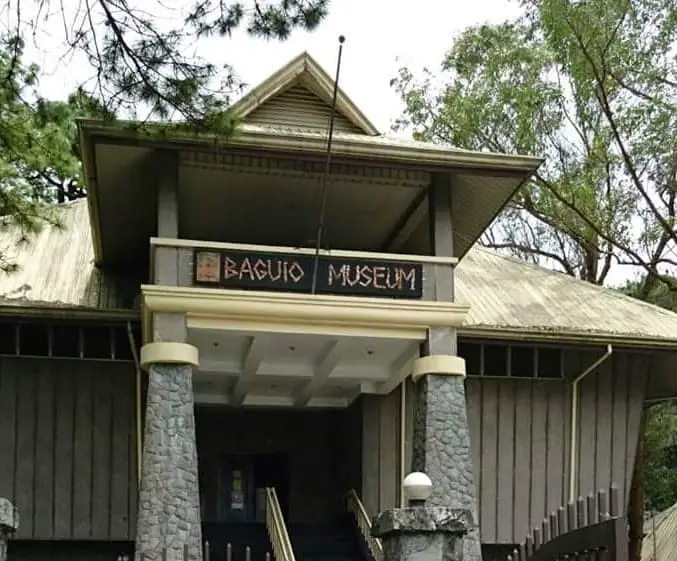
Baguio Museum (Baguio)
Nestled amidst the breathtaking landscapes of Baguio City, the Baguio Museum stands as a cultural treasure trove, offering visitors a fascinating glimpse into the rich history and heritage of the region. Located within the iconic Mansion House complex, this museum holds an impressive collection of artifacts, artworks, and archival materials that highlight the vibrant culture and traditions of the Cordillera people.
As you step into the Baguio Museum, you are immediately greeted by a captivating display of traditional Cordillera textiles and intricately woven fabrics. These exquisite textiles showcase the masterful craftsmanship and artistic skills of indigenous weavers from different tribes in the region.
Each piece tells a story through its vibrant colors and intricate patterns, reflecting age-old traditions and customs passed down through generations. Moving further into the museum, visitors are drawn to a section dedicated to Cordillera’s rich archaeological past.
Here, ancient pottery fragments, stone tools, burial jars, and other artifacts provide insights into pre-colonial life in these highland communities. These archaeological finds paint a vivid picture of their cultural practices such as burial customs or trade connections with neighboring regions.
One cannot miss exploring another highlight at the Baguio Museum—the impressive gallery showcasing local artistry. The space is adorned with an eclectic mix of contemporary artworks by talented artists from Baguio City and its neighboring provinces.
Unveiling the rich history of Baguio and the Cordilleras at Baguio Museum.
Paintings depicting scenic landscapes, portraits capturing local faces full of character and emotion, as well as sculptures showcasing indigenous motifs are just some examples that captivate art enthusiasts who visit this gallery. Visiting the Baguio Museum is like embarking on a captivating journey through time—a voyage that celebrates both the ancient heritage and contemporary artistic expressions of Baguio City and its surrounding regions.
With its extensive collection ranging from traditional textiles to archaeological artifacts to contemporary artworks by local talents, this museum provides invaluable insights into Cordillera’s cultural tapestry. A visit here promises not only an enriching educational experience but also a deeper appreciation for the vibrant cultural traditions that continue to flourish in this mountainous region.
SLU Museum of Arts & Cultures (Baguio)
The SLU Museum of Arts & Cultures, situated in the charming city of Baguio, is a hidden gem that showcases the rich cultural heritage and artistic traditions of the Cordillera region.
This museum, tucked away within the Saint Louis University campus, offers visitors a captivating journey through time and space, providing a deeper understanding and appreciation for the art and culture of the indigenous peoples of Northern Luzon. Upon entering the museum’s intimate space, visitors are immediately greeted by an impressive collection of artifacts and artworks that serve as windows into the diverse cultures that thrive in this mountainous region.
The museum boasts an extensive selection of tribal art pieces, including intricately woven textiles, finely carved wooden sculptures, vibrant traditional clothing adorned with beadwork and embroidery, and unique jewelry crafted with meticulous attention to detail. Each artifact tells a story – a testament to the creativity and craftsmanship passed down from generation to generation.
Beyond its remarkable display of indigenous artistry, the SLU Museum also houses valuable historical documents that shed light on Baguio’s transformation from a quaint mountain town into a bustling city renowned for its education and arts. From vintage photographs capturing everyday life in Baguio during its early development stages to dioramas depicting key moments in local history, this section offers visitors a glimpse into how this beloved city has evolved over time.
Additionally, one cannot overlook the museum’s dedication to promoting contemporary art forms created by local artists. The exhibition galleries feature rotating displays that showcase various mediums such as painting, sculpture, photography, and mixed media installations.
These exhibitions not only highlight individual talent but also provide an opportunity for dynamic dialogues between traditional practices and contemporary interpretations. Stepping foot into the SLU Museum of Arts & Cultures in Baguio is akin to embarking on an enchanting voyage through Cordilleran culture.
With its vast collection of tribal treasures, historical artifacts, and contemporary artworks, this museum serves as a bridge between the past and present, inviting visitors to immerse themselves in the rich tapestry of Northern Luzon’s art and heritage. Whether you are an art enthusiast or a curious traveler seeking a deeper connection with local culture, this hidden gem is sure to leave an indelible impression on your heart and mind.
Emilio F. Aguinaldo Museum (Cavite)
Tucked away in the picturesque province of Cavite lies the Emilio F. Aguinaldo Museum, a historical treasure trove that pays homage to one of the most significant figures in Philippine history – General Emilio F. Aguinaldo, the country’s first President. This museum serves as a testament to his life and contributions, offering visitors a remarkable glimpse into the era of the Filipino independence struggle. As visitors step foot into the Emilio F. Aguinaldo Museum, they are immediately immersed in an ambiance that transports them back in time.
The museum is housed within Aguinaldo’s ancestral home, a grand Spanish-era mansion that exudes an air of elegance and regality. The structure itself is a sight to behold, with its well-preserved architecture and imposing presence.
Inside, every room tells a unique story about Aguinaldo’s life and legacy. The meticulously curated exhibits showcase various artifacts and memorabilia that reflect different aspects of his career as both a military leader and political figure.
Among the highlights are personal belongings such as clothing, furniture, and even Aguinaldo’s iconic wide-brimmed hat. Each item serves as a window into his character and experiences during crucial moments in Philippine history.
One particularly fascinating exhibit within the Emilio F. Aguinaldo Museum is the recreation of his study room where he signed the Declaration of Philippine Independence on June 12, 1898. The room has been meticulously restored to capture its original appearance down to the finest details – from the furniture placement to the inkwell on his desk.
Stepping into this space evokes a sense of awe and reverence for this pivotal moment in Filipino history. In addition to preserving artifacts from Aguinaldo’s personal life, this museum also delves into his role as a statesman through its multimedia presentations and interactive displays.
Visitors can engage with audiovisual presentations that narrate key events during his presidency or explore digital archives featuring letters, photographs, and documents that shed light on his political achievements. The Emilio F. Aguinaldo Museum is not just a physical space but a living testament to the indomitable spirit of the Filipino people.
It serves as a constant reminder of the sacrifices made by our forefathers to secure our freedom and independence. A visit to this museum is an experience that allows visitors to connect intimately with history, gaining a profound understanding of the struggles and triumphs that have shaped the Philippines into what it is today.
Vargas Museum (Quezon City)
The Vargas Museum, located in Quezon City, stands as a significant cultural institution within the Philippines. Named after Jorge B. Vargas, the first director of the museum and an influential figure in Philippine history, this museum is renowned for its extensive collection and dedication to promoting contemporary art. Upon entering the Vargas Museum, visitors are immediately captivated by its grandeur and architectural finesse.
The building itself is an embodiment of neoclassical design, exuding elegance and sophistication. Its spacious galleries provide ample room to showcase a diverse range of artwork, allowing each piece to command the attention from viewers.
One of the highlights of the Vargas Museum is its permanent collection, which features many works by acclaimed Filipino artists throughout history. From traditional paintings that depict scenes from Philippine folklore to innovative installations that challenge societal norms, this collection offers a comprehensive insight into the evolution of Philippine art over the years.
Visitors can appreciate renowned masterpieces by artists such as Fernando Amorsolo and Juan Luna or explore contemporary works that reflect current social issues. In addition to its permanent collection, the Vargas Museum regularly hosts temporary exhibitions that showcase emerging talents and explore thought-provoking themes.
These exhibitions serve as platforms for both established and up-and-coming artists to express their creative visions and engage with diverse audiences. The curatorial team at the museum carefully selects pieces that stimulate intellectual discourse and push artistic boundaries, ensuring a dynamic experience for visitors who seek inspiration or simply wish to immerse themselves in visual storytelling.
The Vargas Museum in Quezon City truly exemplifies its commitment to enriching cultural understanding through art appreciation. With its striking architecture, comprehensive collections spanning various genres and periods, as well as thoughtfully curated exhibitions that foster dialogue between artists and viewers alike, it has solidified its position among the best museums in the Philippines.
Casa Manila (Manila)
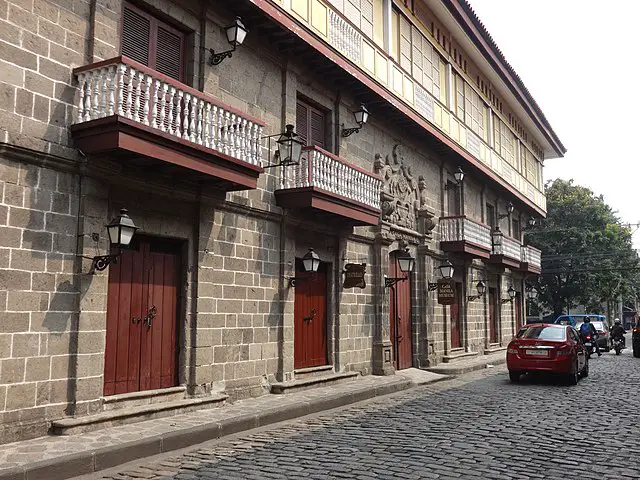
Casa Manila, situated in the heart of Manila, is a captivating museum that offers visitors a unique glimpse into the Spanish colonial period in the Philippines. This meticulously restored 19th-century mansion showcases the grandeur and opulence of the Filipino-Spanish lifestyle during that era.
As one steps into Casa Manila, they are transported back in time to a bygone era of elegance and splendor. The museum is meticulously furnished with period furniture, decor, and artwork, recreating the ambiance of a traditional Spanish colonial home.
Each room tells its own story, revealing different aspects of Filipino-Spanish culture and history. The grand entrance hall welcomes visitors with its intricate wooden staircase and exquisite chandeliers dripping with crystals.
Detailed carvings adorn every surface, showcasing the master craftsmanship prevalent during that time. One cannot miss exploring the sala (living room), where plush sofas covered in luxurious silk fabrics invite you to sit and admire the ornate ceiling adorned with intricate moldings.
The sala also showcases impressive oil paintings depicting scenes from everyday life during colonial times. Moving on to the comedor (dining room), one finds an intricately set dining table complete with fine china, silverware, and crystal glasses – a testament to the lavish dining experiences enjoyed by wealthy families.
A visit to Casa Manila would not be complete without exploring its tranquil courtyard garden. Here, amidst lush greenery and colorful blooms, one can find respite from the bustling city outside.
The courtyard features a charming stone well surrounded by ornate ironwork benches where visitors can sit and soak up the tranquil ambiance. Casa Manila stands as a testament to both architectural brilliance as well as cultural heritage preservation efforts in the Philippines.
Through its beautifully preserved rooms and carefully curated exhibits, it offers an immersive experience that transports visitors back in time while providing valuable insights into Philippine history during Spanish colonial rule. A visit to Casa Manila is truly an enchanting journey through centuries past, leaving visitors with a deeper appreciation for the rich cultural tapestry of the Philippines.
Komikero Komiks Museum (San Pablo City)
Located in the vibrant city of San Pablo, the Komikero Komiks Museum is a hidden gem that celebrates the rich history and artistry of Philippine comics. Founded by award-winning comic book artist Gerry Alanguilan, this unique museum pays homage to the country’s vibrant comic book culture.
Stepping into the museum feels like entering a colorful world where imagination reigns supreme. The museum showcases a vast collection of Filipino comics that spans several decades, providing visitors with a comprehensive journey through the evolution and impact of this beloved art form.
From early classics like Kenkoy and Dyesebel to modern favorites such as Trese and ZsaZsa Zaturnnah, every corner offers a glimpse into different eras of Philippine comics. The carefully curated exhibits feature original artwork, manuscripts, memorabilia, and rare editions that highlight the immense talent and creativity within the local comic industry.
One of the highlights of the Komikero Komiks Museum is its dedication to promoting local artists and fostering new talent. The museum frequently hosts workshops, seminars, and exhibitions to encourage aspiring comic book creators to hone their skills.
Visitors can witness live demonstrations by renowned artists or participate in interactive sessions that delve into various aspects of comic creation. This dynamic approach creates an immersive experience that not only educates but also inspires visitors to explore their own artistic abilities.
Beyond its exhibits and workshops, the Komikero Komiks Museum serves as a hub for comic enthusiasts to connect with like-minded individuals. Through regular events such as meet-and-greets with local artists or panel discussions on current trends in Philippine comics, visitors can engage in lively conversations about their shared passion for this unique form of storytelling.
Whether you are a seasoned collector or simply curious about discovering new narratives through visual artistry, this museum offers an inclusive atmosphere where everyone can feel welcome. Nestled within San Pablo City lies the extraordinary Komikero Komiks Museum—an enchanting haven where the rich tapestry of Philippine comics comes to life.
With its extensive collection of comics, dedication to nurturing local talent, and vibrant community engagement, this museum stands as a testament to the enduring influence and artistry of this beloved medium. Whether you are a fan of classic titles or eager to explore the latest creations, a visit to the Komikero Komiks Museum promises an unforgettable journey into the colorful world of Philippine comics.
Presidential Car Museum (Quezon City)
The Presidential Car Museum, located in Quezon City, stands as a testament to the rich history and significance of the vehicles that have transported the leaders of the Philippines throughout their tenure. Showcasing an impressive collection of presidential cars from different eras, this museum provides a captivating glimpse into the country’s political past.
Upon entering the museum, visitors are immediately greeted by an array of meticulously restored classic cars that once served as the official rides for various Philippine presidents. One notable highlight is the 1987 Mercedes-Benz 500SEL, which was frequently used by President Corazon Aquino during her presidency.
This elegant vehicle exudes both power and sophistication, reflecting the strength and grace that characterized her leadership. Another remarkable exhibit is the 1960 Lincoln Continental Mark V used by President Ferdinand Marcos.
This iconic car boasts luxurious features such as plush leather seats, polished wood accents, and a spacious interior. Stepping inside this vehicle takes visitors back in time to a period when Marcos held significant influence over Philippine politics.
Aside from showcasing presidential vehicles, the museum also exhibits other artifacts related to Philippine presidents. A dedicated section displays photographs capturing momentous occasions in Philippine history, providing context for visitors to understand how these cars played a role in shaping political events.
Additionally, documents and personal belongings of former presidents can be found on display alongside these remarkable vehicles. Visiting the Presidential Car Museum allows one to delve deeper into Philippine politics while experiencing firsthand the opulence and grandeur associated with past presidential administrations.
The collection serves as a poignant reminder of how these vehicles symbolize power and authority while embodying significant moments in Filipino history. Whether you are an avid car enthusiast or simply interested in exploring political heritage, this museum offers an insightful journey through time within its hallowed halls devoted to preserving presidential automotive treasures.
Conclusion
The rich and diverse museum landscape in the Philippines offers a treasure trove of cultural and artistic experiences. From the grand halls of the National Museum of Fine Arts to the immersive displays at the Mind Museum, each institution showcases the country’s vibrant heritage and contributes to its growing art scene.
These museums serve as powerful platforms for education, preservation, and inspiration. Throughout this guide, we have explored a wide range of museums that cater to various interests.
Art enthusiasts can bask in masterpieces at the National Museum of Fine Arts or immerse themselves in contemporary Filipino art at Pinto Art Museum. History buffs can delve into our nation’s past at Museo San Agustin or get a glimpse into President Aguinaldo’s life at Emilio F. Aguinaldo Museum.
Meanwhile, science aficionados will find delight in exploring The Mind Museum or embarking on an interactive journey through Philippine Science Centrum. And for those seeking a blend of history and culture, Casa Manila offers a fascinating insight into Spanish colonial life.
As we conclude our exploration of these remarkable institutions, one cannot help but be filled with optimism for the future of Philippine arts and culture. With each passing day, these museums continue to evolve and adapt to better serve their audiences.
They foster creativity, curiosity, and critical thinking while connecting us with our roots. So whether you are an art lover seeking inspiration or a history enthusiast hungry for knowledge or simply someone looking to embark on an enriching experience – be sure to explore these exceptional museums scattered across the Philippines.
Step into their hallowed halls and allow yourself to be transported through time and space as you encounter captivating stories that shape our collective identity. Embark on this journey with an open mind and heart – let art ignite your imagination, let history enlighten your understanding, and let science spark curiosity within you – because within these museum walls lies not just heritage preserved but also dreams nurtured for generations yet unborn.
With its stunning landscapes, rich cultural heritage, and warm hospitality, the Philippines has emerged as one of Southeast Asia’s top tourist destinations. Located in the western Pacific Ocean, this archipelago of more than 7,000 islands offers a diverse range of experiences for travelers seeking adventure, relaxation, or immersion in its vibrant culture. From pristine beaches and lush rainforests to historical landmarks and bustling cities, the Philippines truly has something for everyone.
A Tropical Paradise Awaits
The Philippines is renowned for its breathtaking natural beauty. One cannot mention this country without highlighting Palawan’s idyllic islands and crystal-clear waters. Palawan is often referred to as the “Last Frontier” due to its untouched landscapes and thriving marine life.
1. Laguna: Enchanting waterfalls and hot springs
Laguna, a province in the Philippines, is a haven for nature lovers seeking tranquility and rejuvenation. Its enchanting waterfalls and invigorating hot springs offer a refreshing retreat amidst the province’s lush greenery. Hidden within its verdant landscapes are captivating cascades such as Pagsanjan Falls, Hulugan Falls, and Taytay Falls. These natural wonders beckon visitors to immerse themselves in the cool, crystal-clear waters and bask in the serenity of their surroundings. Additionally, Laguna is renowned for its soothing hot springs, such as Los Baños and Pansol, where visitors can soak in therapeutic waters and unwind in a serene environment.
2. Bukidnon: Verdant Mountains with panoramic views
Meanwhile, the picturesque province of Bukidnon is a treasure trove for nature enthusiasts and adventure seekers alike. Its verdant mountains beckon with captivating hiking trails that lead to breathtaking panoramic views. As you ascend through lush forests and traverse winding paths, you’ll be rewarded with awe-inspiring vistas of rolling hills, cascading waterfalls, and vibrant landscapes stretching as far as the eye can see. The beauty of Bukidnon’s mountains is unparalleled, and whether you choose to conquer the peaks of Mount Kitanglad, explore the scenic trails of Mount Dulang-dulang, or embark on a thrilling adventure in Mount Kalatungan, each step will leave you spellbound by the natural splendor that surrounds you.
An Exquisite Blend of Experiences
For those who crave a mix of adventure and relaxation, Boracay is an island paradise that beckons with its powdery white sand beaches and vibrant nightlife. Sagada’s ethereal caves and hanging coffins invite intrepid explorers to delve into the mysterious depths of ancient traditions. Cebu’s rich cultural heritage and historic landmarks offer a glimpse into the country’s colonial past, while Camiguin Island boasts captivating waterfalls and rejuvenating hot springs.
1. Bicol: Nature’s Paradise of Volcano and Beaches
Bicol is a captivating region in the Philippines known for its natural wonders and cultural treasures. From the iconic Mayon Volcano, with its perfect cone shape, to the stunning Caramoan Islands, Bicol offers a diverse range of attractions. Explore the vibrant cities, indulge in delicious Bicolano cuisine, and immerse yourself in the warm hospitality of the locals. Whether you’re seeking adventure, relaxation, or a cultural experience, Bicol has something for everyone. Discover the enchanting landscapes, pristine beaches, and rich heritage that make Bicol a truly remarkable destination.
Witness the grandeur of Mayon Volcano, a breathtaking sight in Albay, Bicol. Photo by Archie Binamira on Pexels.com
2. Manila: A Historical and Cultural Gem
When exploring the Philippines, a visit to Manila is essential. The vibrant capital city offers a perfect blend of history, culture, and modernity.
One cannot miss the iconic Intramuros, which translates to “within the walls.” This historic walled city takes you back in time with its Spanish colonial architecture and cobbled streets. Walking through its gateways transports you to a bygone era when Manila was known as the “Pearl of the Orient.”
A must-see attraction within Intramuros is Fort Santiago, a citadel that witnessed significant moments in Philippine history. As you walk along its walls and explore its dungeons, you can feel the weight of the past.
Moreover, Rizal Park stands as an enduring tribute to Dr. Jose Rizal, a national hero who played an instrumental role in shaping Filipino identity and independence. To deep dive into Filipino art and culture, head over to the National Museum of the Philippines.
It houses an extensive collection of artifacts that celebrate the country’s rich heritage. From ancient pottery to contemporary masterpieces, this museum offers visitors a comprehensive understanding of Filipino artistic expression throughout history.
Exploring history: Intramuros, a historical landmark in Manila.
3. Boracay Island: Paradise Found
If you’re looking for postcard-perfect beaches mixed with lively nightlife, Boracay Island should be on your list without hesitation. Nestled in Aklan Province, Boracay boasts one of Asia’s most enticing coastlines – White Beach. It’s soft white sand and crystal-clear turquoise waters provide an idyllic setting for relaxation or water activities such as jet-skiing or banana boating.
For those seeking tranquility away from crowds but still craving natural beauty, Puka Shell Beach offers respite with its serene atmosphere adorned by seashells scattered across the shore. Finding a quiet spot to unwind while enjoying the pristine waters has never been easier.
Need an adrenaline rush? Make your way to Ariel’s Point, where adventure awaits.
This stunning cliff-diving spot is perfect for thrill-seekers who want to plunge into the turquoise depths below. If cliff diving isn’t your cup of tea, various water activities such as kayaking and snorkeling are available for you to explore Boracay’s vibrant marine life.
Bask in the sun and embrace the tropical vibes of Boracay’s pristine beach.
4. Palawan Island: Nature’s Masterpiece
Palawan Island, located in Palawan Province, is a treasure trove of natural wonders that will leave you speechless. The Puerto Princesa Underground River, a UNESCO World Heritage Site and one of the New7Wonders of Nature is an unforgettable experience.
Glide through the darkened river caves, marveling at the intricate limestone formations illuminated by beams of sunlight filtering through crevices above. For those craving stunning landscapes and pristine beaches, El Nido should not be missed.
Its towering limestone cliffs dramatically meet crystal-clear waters teeming with marine life. Embark on island-hopping tours to explore hidden lagoons and dive into vibrant coral reefs that make El Nido a diver’s paradise.
No trip to Palawan would be complete without visiting Coron Island, known for its shipwrecks and excellent snorkeling spots. Dive beneath the surface and discover intriguing sunken vessels from World War II or snorkel along Siete Pecados Marine Park to witness colorful coral gardens teeming with tropical fish.
By immersing yourself in Manila’s historical charm or indulging in Boracay Island’s beachside bliss or exploring Palawan Island’s natural wonders, you’ll gain unique insights into the Philippines’ diverse beauty. Note: Sagada, Bukidnon, Camiguin Island, Laguna, Cebu, Bicol, Boracay, Cagayan de Oro, Manila – these phrases are used to provide context and reference to various destinations in the Philippines.
Discover the paradise of El Nido, Palawan, with its stunning natural beauty and crystal-clear waters.
Off-the-Beaten-Path Destinations
1. Siargao Island, Surigao del Norte Province
Tidal Pools at Magpupungko Rock Formation
Siargao Island, known as the surfing capital of the Philippines, offers more than just world-class waves. One of its hidden gems is the Magpupungko Rock Formation, where natural tidal pools form during low tide. These pools create a picturesque landscape with crystal-clear waters in varying shades of blue and green.
You can take a refreshing dip in these natural pools or simply marvel at their beauty while surrounded by stunning rock formations. Don’t forget to bring your snorkeling gear to discover the colorful marine life that thrives in these pools.
Cloud Nine Surfing Spot
For adrenaline junkies seeking an unforgettable surfing experience, Cloud Nine Surfing Spot in Siargao is a must-visit destination. This internationally renowned surf break attracts professional surfers from around the globe who come to test their skills on its legendary waves. The powerful and barreling waves of Cloud Nine offer thrilling rides for experienced surfers, while beginners can take lessons from local instructors or enjoy watching these impressive athletes ride the waves with grace and skill.
Sugba Lagoon
Located on Del Carmen Bay, Sugba Lagoon is another enchanting spot on Siargao Island that should not be missed. This hidden paradise features turquoise waters surrounded by lush mangroves and limestone cliffs. Visitors can go kayaking or paddleboarding across the calm lagoon to explore its serene beauty up close.
Climb up one of the cliffs for a breathtaking view or dive into the cool waters for a refreshing swim. With its tranquility and captivating landscapes, Sugba Lagoon offers an idyllic escape from bustling tourist spots.
Ride the waves in Siargao, the ultimate surfer’s paradise.
2. Sagada, Mountain Province
Hanging Coffins at Echo Valley
In the mountainous province of Sagada lies the mysterious and awe-inspiring Echo Valley, home to an ancient burial practice. The Hanging Coffins of Sagada is a testament to the unique customs and beliefs of the local Igorot tribe.
Positioned high on limestone cliffs, these coffins have been suspended for centuries as a way to bring the deceased closer to their ancestral spirits. Trek through lush greenery and descend into Echo Valley to witness this fascinating cultural heritage while taking in breathtaking views of nature.
Sumaguing Cave Adventure
For thrill-seekers, Sagada offers an exhilarating caving experience in Sumaguing Cave. Equipped with a guide and proper gear, venture into this subterranean wonderland adorned with impressive rock formations such as stalactites and stalagmites.
Traverse through narrow passages, wade through underground streams, and marvel at the vast chambers illuminated only by your headlamp. This adventure will test your courage but reward you with an unforgettable journey into the depths of Sagada’s natural wonders.
Kiltepan Viewpoint for Sunrise
To witness one of nature’s most spectacular displays in Sagada, make your way up to Kiltepan Viewpoint before dawn. As the sun slowly emerges from behind rugged mountains, it bathes the surrounding rice terraces in warm hues while shrouding distant peaks in misty landscapes reminiscent of paintings come alive. The breathtaking vista from Kiltepan allows you to appreciate both nature’s artistry and the hard work put into cultivating these terraced fields by local farmers.
Immerse yourself in the breathtaking beauty of the Sagada Mountains, where nature reveals its grandeur.
Cultural and Historical Sites
1. Vigan City, Ilocos Sur Province
Preserving the rich Spanish colonial history of the Philippines, Vigan City in Ilocos Sur Province stands as a true gem. A UNESCO World Heritage Site, this charming city takes you back in time with its well-preserved cobblestone streets, ancestral houses, and horse-drawn carriages known as calesas. Stroll through Calle Crisologo, the city’s main street lined with grand mansions showcasing architectural influences from Hispanic to Chinese designs.
One must-visit attraction is the iconic Vigan Cathedral, also known as Saint Paul Metropolitan Cathedral. This stunning structure dates back to the 18th century and displays a unique blend of Earthquake Baroque and Gothic architectural styles.
Step inside to appreciate its intricate stained glass windows and serene atmosphere. Immerse yourself further in history at Plaza Salcedo, named after the Spanish conquistador Juan de Salcedo.
This plaza serves as a focal point for cultural events and features a statue of Juan de Salcedo himself. Nearby is Plaza Burgos, dedicated to Father Jose Burgos, one of the three martyred priests during Spain’s rule.
Step back in time as you stroll along the charming streets of Vigan, Ilocos Sur.
Conclusion
The Philippines is undeniably a treasure trove of captivating destinations that cater to diverse interests. Whether you are an adventure seeker craving adrenaline-pumping activities or a history enthusiast yearning for cultural immersion, this archipelago has it all.
From mesmerizing natural wonders like Camiguin Island’s volcanic landscapes or Cebu’s breathtaking white-sand beaches to culturally rich provinces like Sagada and Vigan City that preserve historical legacies dating back centuries—there is an abundance of experiences waiting for you in July. As you explore these marvelous destinations, embrace the warmth and hospitality of the Filipino people, known for their genuine smiles and welcoming nature.
Open your heart to the beauty of the Philippines, immerse yourself in its rich tapestry of history and culture, and create memories that will last a lifetime. So, pack your bags, let your wanderlust take flight, and embark on an unforgettable journey through this enchanting archipelago.
Discover hidden gems off the beaten path in Bukidnon or revel in the vibrant energy of Boracay’s nightlife. Whatever you choose, a trip to the Philippines this July promises to be an inspiring adventure filled with wonder and delight.